
Entertainment
What Are the Best Strategies for Valorant’s New Agent?

Introduction
Patch 12.00 kicked off Season 2026 without a new agent, but Veto—agent #28—has dominated since his October 2025 release. As of February 2026, he’s picked in 45% of pro matches, per Tracker.gg. His unique anti-ability focus shifts metas toward raw aim duels.
This Valorant Veto agent guide details abilities, setups, and counters. Perfect for climbing ranks amid Breeze rework and Bandit eco shifts.
The launch trailer is epic. The community is buzzing. A new Valorant agent drops, and immediately, your ranked games become a chaotic laboratory. Some players feed relentlessly trying to force unfamiliar abilities. Others, however, seem to grasp the agent’s essence instantly, carrying games and reshaping the meta overnight.
What’s the difference? It’s not raw aim or luck. It’s a systematic approach to agent mastery. In the ever-evolving tactical landscape of Valorant, your ability to quickly and effectively integrate a new character into your arsenal is a non-negotiable skill. This guide is your blueprint. We’ll move beyond basic ability descriptions and dive into the how and why—the decision-making, positioning, and teamwork that transforms a collection of tools into a winning strategy for the 2026 competitive season and beyond.
Veto’s Background and Role
Hailing from an undisclosed origin, Veto embodies suppression. Official lore paints him as a “shield against chaos,” mutating to counter radianite tech. He’s a sentinel like Cypher but proactive—disrupting before setups.
In 2026, Veto flexes on defense (hold sites) and attack (lurk/utility deny). Win rate hovers at 51% Immortal+, thriving in coordinated play.
Abilities Deep Dive
Veto’s kit centers on negation. Each ability builds toward ultimate shutdowns.
Barrier Wall (C)
- Cost: 150 credits, 2 charges.
- Mechanics: 8-second deployable wall with gaps for peeks. Blocks projectiles/utilities.
- Key Feature: Auto-repairs 50 HP after 3 seconds out of combat.
- Example: On Icebox B, wall off tube while peeking ivy.
Nerfed in 12.00 for smoother traversal.
Suppress Orb (Q)
- Cost: 250 credits.
- Effect: Sticky orb explodes in 15m radius, silencing enemies (no abilities) for 6 seconds.
- Bounce Physics: Curves off walls for tricky angles.
- Pro Use: Arc into Haven C garage pre-push.
Silence stacks with slows, crippling controllers.
Gatekeeper Trap (E – Signature)
- Free: 2 charges, 40s cooldown.
- Deployment: Ground trap reveals + slows (30%) in 5m AoE for 4s.
- Twist: Triggers on ability use, extending slow.
- Site Hold: Triple on Ascent A for full coverage.
Ultimate: Null Zone (X)
- 8 Points: 12s duration dome (10m radius).
- Powers: Permanently silences inside, damages 20 HP/s, reveals on entry.
- Channel: 1.5s windup—place hidden.
- Meta Impact: Shuts down ults like Sova Hunter’s Fury.
-
Strengths and Weaknesses
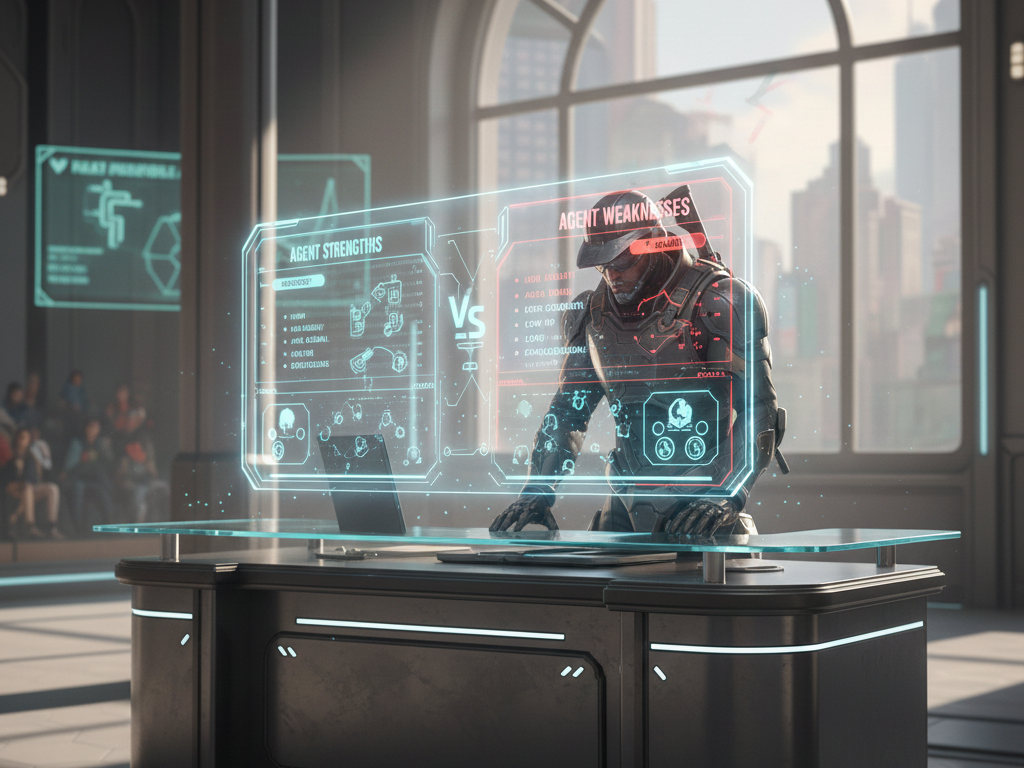
Veto excels in utility wars but falters in open aim duels.
| Category | Pros | Cons |
|---|---|---|
| Utility | Nullifies flashes, ults, smokes | Predictable placements vs. drones |
| Defense | Site lockdown king | Weak attacker without lurks |
| Teamfight | Forces gunfights | Low personal damage output |
| Economy | Cheap C/E for force buys | Ult orb-dependent |
| Skill Floor | Easy setups | High ceiling for orb arcs |
Deconstructing the Meta: How Riot Designs New Agents
To master what’s new, you must understand the design philosophy. Riot Games intentionally shakes up the meta with each new agent release. They typically introduce a novel mechanic or hybridize existing roles.
Recent history shows a trend toward information manipulation and resource disruption. Think of agents who alter cooldowns, drain ability points, or create unique auditory deception. For 2026, anticipate designs that challenge fundamental assumptions about map control and economy.
The key is to identify the agent’s “disruption vector.” Is their primary goal to:
- Obscure information (like a Controller)?
- Gather information (like an Initiator)?
- Deny space/resources (like a Sentinel)?
- Create explosive entry (like a Duelist)?
Often, a new agent excels at two of these, creating a powerful hybrid. Pinpointing this core identity is your first step to mastery.
The 72-Hour Mastery Framework: From Practice Range to Ranked
Throwing yourself into competitive play with a zero-hour agent is a disservice to your team. Follow this structured, three-phase plan to build competence with confidence.
Phase 1: The Foundational Lab (Hours 0-2)
Your first stop is the Practice Range and Custom Games.
- Mechanical Familiarity: Cast every ability 50 times. Learn the exact animation times, projectile speeds, and keybinds until they’re second nature.
- Interaction Testing: This is critical. Answer these questions:
- Does the flash work through thin walls?
- Can your smoke be shot out?
- What audio cue does your trap make for enemies vs. allies?
- How much ultimate charge do you get per kill or orb?
- Lineup Discovery: Don’t just memorize complex lineups from day one. Find one reliable, simple setup for a common plant spot on Attack (e.g., Default on Ascent A) and one for stalling a push on Defense.
Phase 2: Unrated Experimentation (Next 5-10 Games)
Go into Unrated or Swiftplay with a specific learning goal for each match.
- Game 1 & 2: Focus solely on using your Signature ability optimally every round. Track its cooldown religiously.
- Game 3 & 4: Master your core piece of crowd control (flash, slow, concuss). Learn its safe throw angles.
- Game 5+: Work on ability sequencing. Practice your personal “combo” (e.g., recon tool -> then peek).
Phase 3: Strategic Refinement (Ongoing)
Now you integrate the agent into your strategic thinking.
- VOD Review Your Own Plays: Watch one defensive and one offensive round back. Did you waste utility? Was your positioning correct for your kit?
- Economy Management: Learn your agent’s buy strategy. Are you effective on a save round with just your Signature ability? Do you need a full kit to be useful?
Fitting the Puzzle Piece: Team Composition and Role Fulfillment
A brilliant individual agent pick can still lose games if it cripples your team’s composition. Your new agent must fill a strategic need.
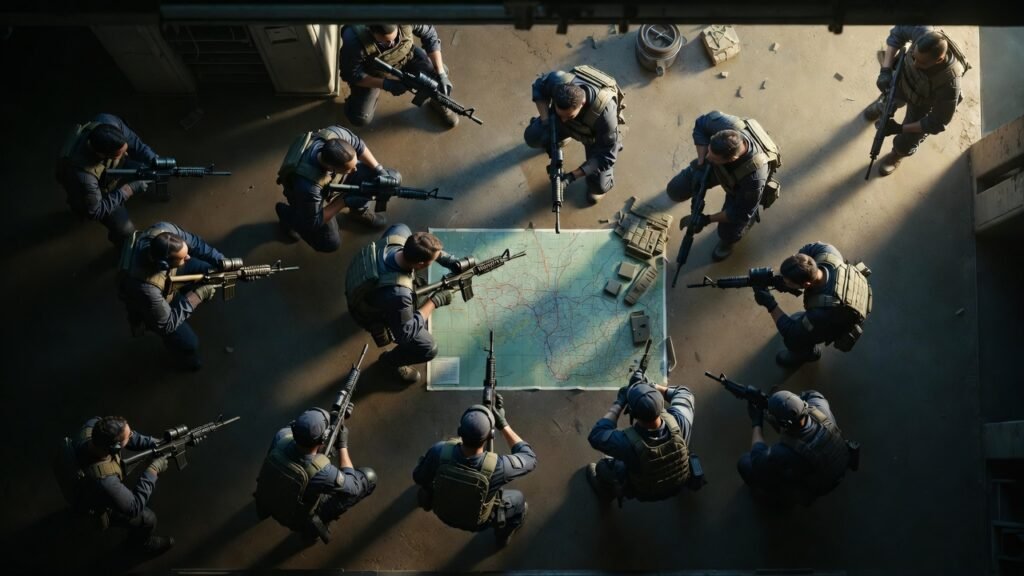
The Composition Checklist:
- Do we have enough site-entry utility? (Smokes + Flashes). If not, a flash-heavy Initiator or Duelist is needed.
- Do we have reliable information gathering? (Recon, scans). Without it, you’re playing in the dark.
- Can we stall a fast execute? (Mollies, slows, traps). Essential for defensive holds.
- Do we have strong post-plant coverage? (Area denial like mollies or alarms).
Example: Let’s say your team locks in Jett, Phoenix, Reyna, and Killjoy. You desperately need smokes and information. Even if the new agent is a flashy duelist, picking them would be a catastrophic mistake. You must fill the Controller/Initiator gap.
Advantages:
- Counters meta initiators (Skye, Tejo post-nerfs).
- Enables eco-defends with reveals.
- Versatile across maps.
- The Surprise Factor: Opponents lack established counter-strategies, giving you a significant psychological and tactical edge.
- Meta Influence: You have the chance to define the “correct” way to play the agent before the community consensus solidifies.
- High Availability: In agent select, your new main is rarely contested.
Disadvantages:
- Vulnerable to Operator one-taps.
- Silence dodgeable by good movement.
- Struggles vs. double duelist dives.
- The Nerf Risk: Agents are often tuned down after release data is collected. Investing heavily in a strategy that gets patched out is a real risk.
- Community Backlash: Teammates may tilt at the sight of an unpracticed pick, requiring extra mental fortitude and communication from you.
- Uncharted Counters: As you discover strengths, you’ll also unknowingly expose weaknesses that opponents will eventually exploit.
Comparison: Veto vs. Other Sentinels
How does Veto stack up?
| Agent | Utility Focus | Pick Rate 2026 | Win Delta | Best Map |
|---|---|---|---|---|
| Veto | Ability silence | 45% | +4% | Icebox |
| Cypher | Intel traps | 32% | +2% | Bind |
| Killjoy | Lockdown turret | 28% | +5% | Pearl |
| Vyse | Metal walls | 22% | -1% | Haven |
| Sage | Heal/wall | 15% | +3% | Ascent |
Veto leads in anti-utility, per Patch 12.01 stats.
Synergies and Counters
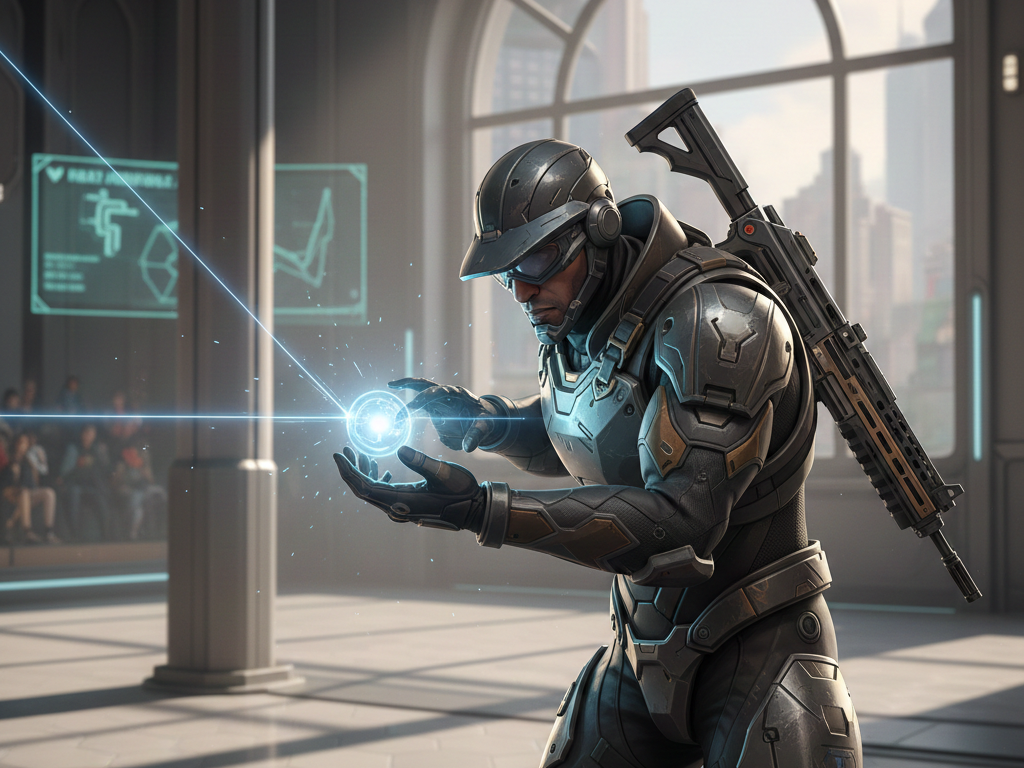
Synergies
- Duelists (Jett/Raze): Silence clears entry for knives/satchels.
- Controllers (Omen): Smoke + Null Zone for info denial.
- Initiators (Sova): Recon into Suppress for chains.
Sentinels stack (Veto + KJ) dominates VCT.
Counters
- High mobility (Yoru/Neon): Dash through silence.
- Drones (Gekko): Destroy traps pre-fight.
- Flankers (Raze): Boombot ignores walls.
- Ult tanks (Phoenix): Curveball dodges orbs.
Bait with fake walls, punish overpeeks.
Common New Agent Pitfalls (And How to Avoid Them)
Here are the traps that ensnare 90% of players. Steer clear.
- Playing the Ability, Not the Role: You get so focused on landing your new flashy wall that you forget your job is to hold a site or trade your duelist. Always fulfill your fundamental role first.
- Predictable Patterns: Using your unique mobility tool the same way every round makes you an easy target. Vanish your usage and mix up your timing.
- Ignoring Audio Cues: Most new abilities have distinct sounds. You might not realize how loud your setup is, broadcasting your position to the entire enemy team.
- Ultimate Hoarding: Holding your ultimate for a “perfect” 5-kill moment for 8 rounds is wasteful. Use it to secure a crucial round win, even for a single pick, to swing economy.
- Failing to Communicate: Your team doesn’t instinctively know how your new utility works. You must vocalize your plans. “I’m scanning the site before we push.” “My trap watches flank.”
The Expert’s Playbook: Advanced Tactics for Maximum Impact
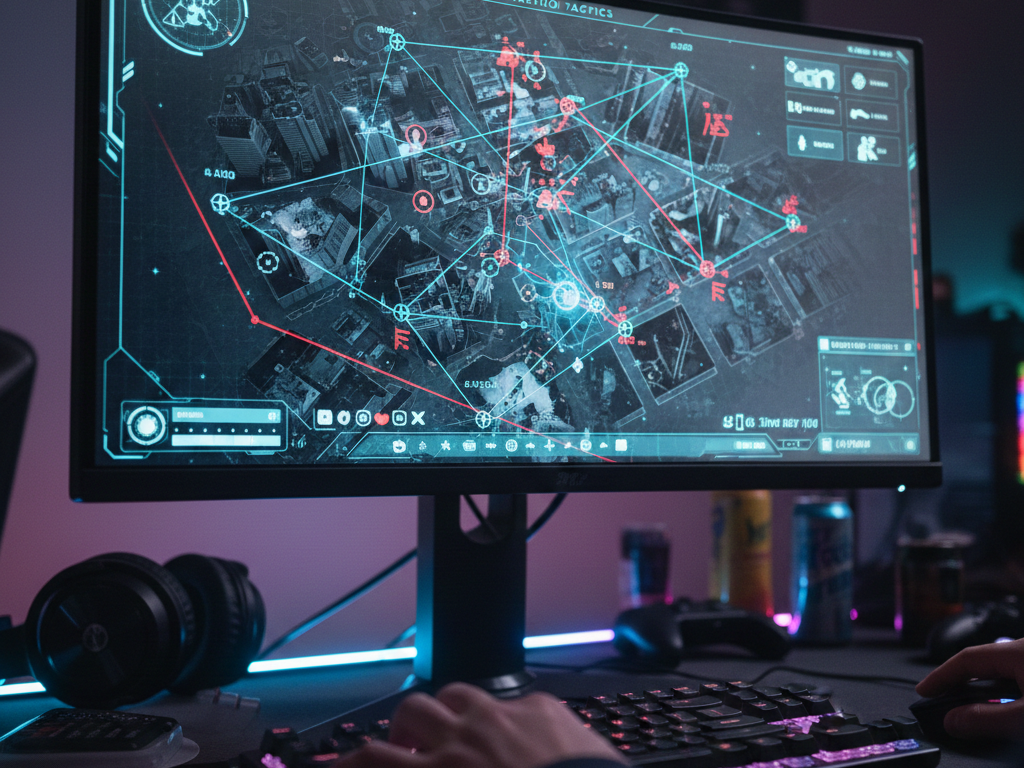
Once you’ve mastered the basics, these high-level concepts will separate you from the pack.
- The Bait-and-Switch: Use a loud, conspicuous ability on one side of the map (e.g., a fake teleport sound), then execute quietly on the opposite site. This plays on the enemy’s heightened awareness of your new kit.
- Resource Denial Plays: If your agent has economy-disrupting abilities, use them aggressively on the round after you win pistol. Breaking the enemy’s second-round buy can secure a nearly insurmountable lead.
- Counter-Meta Positioning: New agents often counter the previous meta. If the meta is fast executes, a new agent with area denial might excel at holding aggressive early angles to stop the rush. Identify and exploit this.
- Synergy Discovery: Proactively test your kit with existing agents. Does your new recon tool pair perfectly with a Raze grenade? Does your wall enable a new Sova dart line? Be the inventor on your team.
Building a Counter-Strategy Against the New Agent
You will face this agent constantly. Here’s how to build a counter-play without prior experience.
- Play Them Yourself: The quickest way to learn weaknesses is to fail with the agent in Unrated. Note when you feel useless or get countered.
- Analyze the Cooldowns: The most powerful abilities always have the longest cooldowns. Track them. If you see the new agent use their signature crowd control, you have a ~40-second window to push aggressively.
- Listen Relentlessly: Focus on the new audio cues. The sound of them setting up is your cue to rotate, push, or change strategy.
- Target Their Dependency: Does the agent rely on a specific piece of utility to be effective? (e.g., a drone they must control). Destroy it immediately to neutralize them for the round.
Conclusion: Mastery is a Mindset, Not a Moment
Mastering a new Valorant agent in 2026 isn’t about memorizing a list of facts from a patch note. It’s a disciplined process of curiosity, structured practice, and strategic integration. It begins with humble experimentation in the Range, grows through reflective Unrated games, and matures through savvy team play and adaptation in your competitive matches.
Embrace the learning curve. Each new agent is not just a new set of abilities, but a new puzzle for your mind to solve—a new way to outthink and outplay your opponents. By applying this framework, you stop being a victim of the shifting meta and become its architect.
Now, the next time a new agent emerges, you won’t feel anxiety. You’ll feel opportunity. Load up the Range, agent. Your next main awaits.
FAQ Section
Q1: How many games should I play in Unrated before taking a new agent to Competitive?
A: There’s no magic number, but you should not queue until you can reliably use all your abilities without thinking about the keybinds and have one effective strategy for both Attack and Defense. For most players, this is 5-10 focused Unrated games.
Q2: The new agent feels weak. Am I just bad, or are they underpowered?
A: It’s almost always the former. The community often misjudges new agents early. Focus on mastering their unique strength rather than comparing them to existing agents. True power is often discovered weeks after release.
Q3: What’s the most important thing to communicate to my team when playing a new agent?
A: Clearly state what your utility does and your intent. A simple “I can see through this smoke for 3 seconds” or “I’m putting a slow field at the entrance, don’t push through it” is infinitely more valuable than just using the ability silently.
Q4: Should I one-trick the new agent to climb ranks fast?
A: This is a high-risk, high-reward strategy. While you may climb quickly if the agent is strong, you become extremely vulnerable to direct counters and future nerfs. It’s healthier to add them as a powerful option to a small, versatile agent pool.
Q5: How do I deal with toxic teammates who blame our loss on my new agent pick?
A: Use communication preemptively to show competence. Mute outright toxic players, but for the skeptical, a confident, short callout like “I’ll smoke main and flank for us” demonstrates you’re playing to win, not just experiment.
Q6: Where can I find the most reliable, advanced guides for a new agent’s lineups?
A: After the first week, search for guides from reputable professional players, coaches, or dedicated educational content creators (like Sovereign Guides or PROD). Avoid day-one “BROKEN” clickbait and wait for the meta to settle a bit.
Q7: What if my playstyle just doesn’t fit the new agent’s design?
A: That’s perfectly fine. Not every agent is for every player. If, after a sincere effort, the kit still feels awkward, it’s better to stick to what suits you. Mastery requires comfort, and forcing a mismatch will hinder your performance.






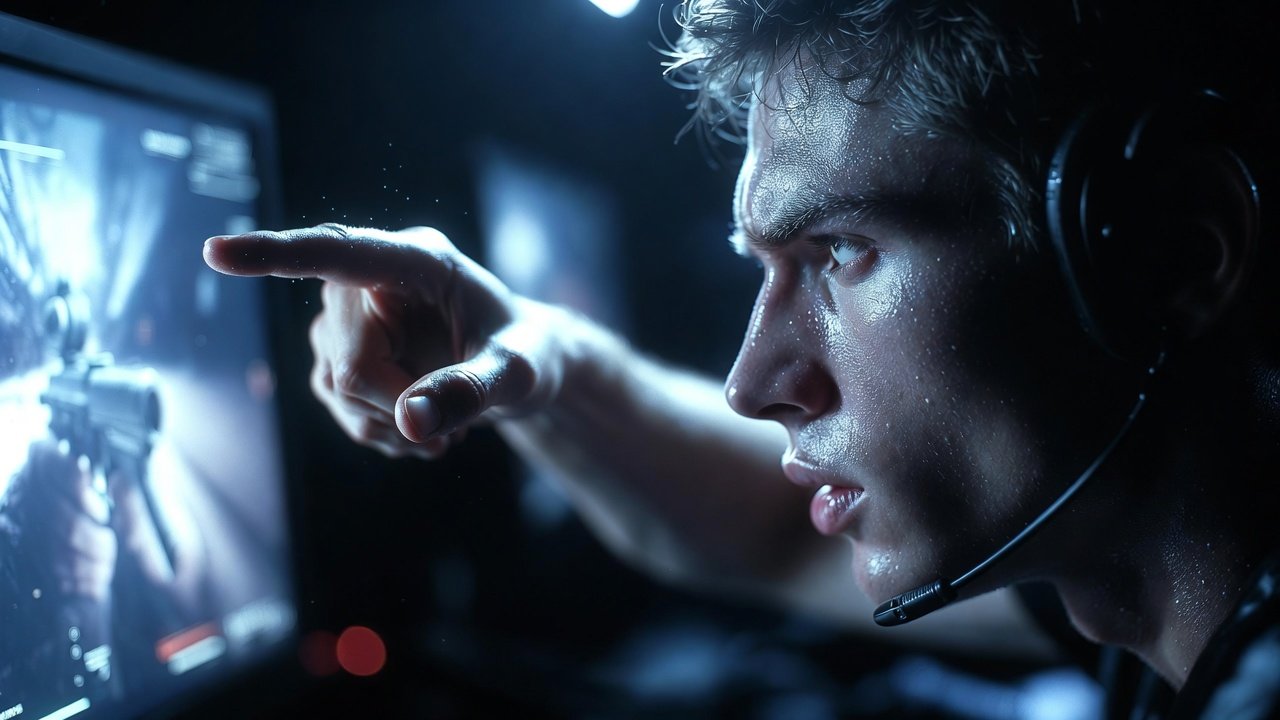
Introduction: Why Your Aim Holds You Back
In fast-paced FPS games, good strategies and map knowledge mean little if your aim is inconsistent.
Many players blame “bad teammates” or “lag” when the real problem is poor mechanics and unoptimized habits.
Improving your aim is a skill, not a talent lottery.
With the right settings, techniques, and training plan, you can become more accurate, more confident, and more consistent in every gunfight.
In this guide, the main keyword is aim like a pro, and you’ll learn practical, proven methods used by high-level players to transform shaky flicks into reliable headshots.
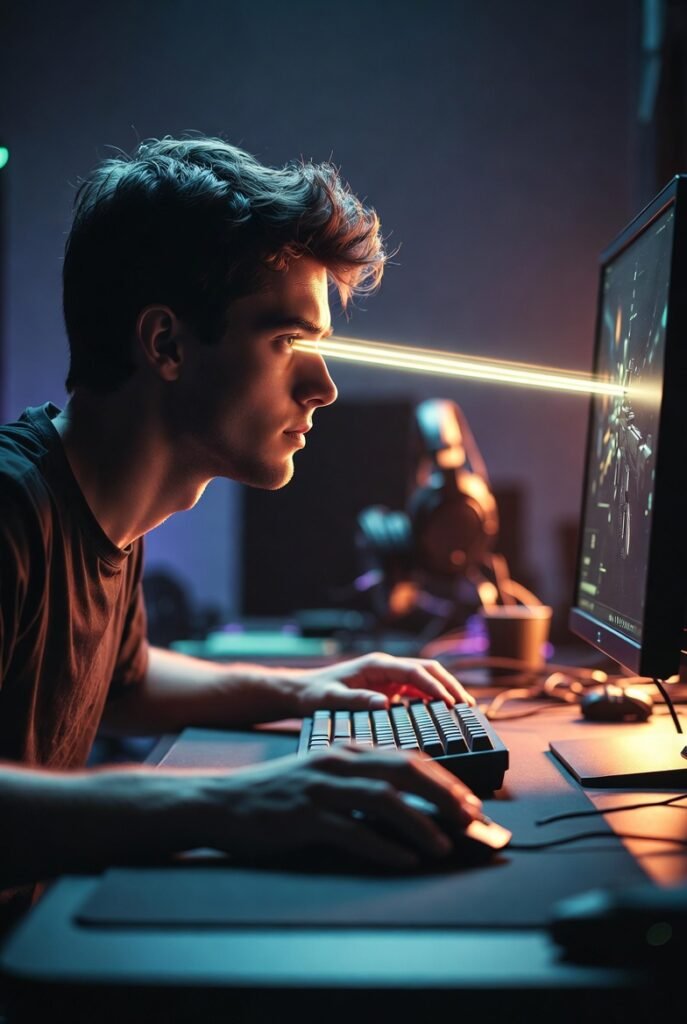
Understanding What “Aim Like a Pro” Really Means
Core Components of Pro-Level Aim
To truly aim like a pro in FPS games, you need a combination of mechanics, habits, and mindset:
- Crosshair placement and tracking.
- Proper mouse sensitivity and DPI.
- Clear, readable visual settings.
- Consistent training routines.
- Calm, focused decision-making under pressure.
Instead of chasing flashy clips, professionals focus on repeatable accuracy and low error rates over time.
Types of Aim in FPS Games
Most FPS titles break aim down into a few fundamental categories:
- Click-timing / Flick aim: Quickly snapping to a target and clicking at the right moment (common in tactical shooters).
- Tracking aim: Keeping your crosshair smoothly on a moving target (important in arena shooters and battle royales).
- Micro-corrections: Small, precise adjustments to stay on the head or weak spot.
- Crosshair placement: Positioning your crosshair where enemies are likely to appear so you move less.
Understanding which type your main game emphasizes helps you structure your practice properly.
https://lyallpurgamezone.site/
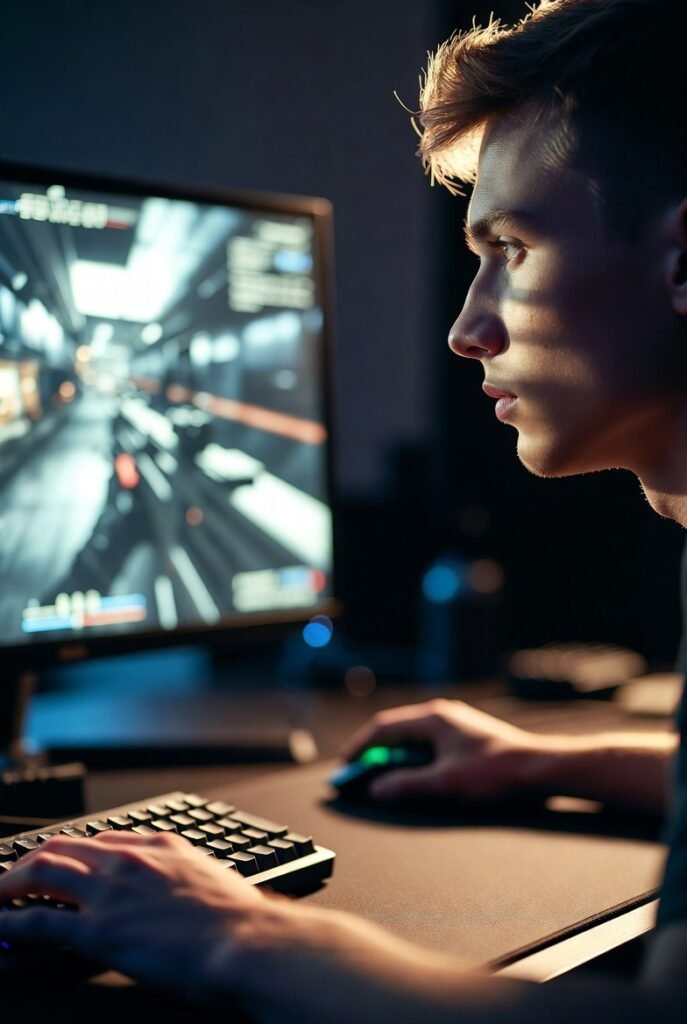
Optimize Your Settings Before Anything Else
Mouse DPI and Sensitivity
Your sensitivity determines how easy it is to control your crosshair.
Too high, and your aim becomes jittery; too low, and you can’t turn in time.
General guidelines to aim like a pro:
- Use a DPI between 400–1600, with most competitive players around 400–800.
- Choose an in-game sensitivity that allows a full 360° turn in roughly 25–50 cm of mousepad movement (medium-low sens).
- Disable mouse acceleration in your operating system to keep movement 1:1.
Once you find a comfortable sensitivity, stick with it.
Constantly changing settings is one of the biggest reasons players never build consistent muscle memory.
Video, Graphics, and Field of View (FOV)
Your goal is clarity and smooth performance, not maximum visual beauty.
- Choose a stable, high FPS over ultra graphics.
- Reduce unnecessary visual clutter (heavy motion blur, film grain, excessive post-processing).
- Use a FOV that balances awareness with visibility of targets; many shooters feel best around 90–110 horizontal FOV, depending on the game.
A stable frame rate and clear visuals significantly improve your ability to track targets and react quickly.
Crosshair and HUD Settings
Your crosshair is your primary aiming tool, so treat it seriously.
- Use a simple, static crosshair with a visible color (cyan, green, white) against most backgrounds.
- Avoid overly thick or animated crosshairs that block vision.
- Disable or minimize distracting HUD elements when possible.
The more clearly you can see your crosshair and target, the easier it is to align shots.
In-Game Techniques to Aim Like a Pro
Crosshair Placement: The Biggest Hidden Secret
Crosshair placement is the easiest change with the biggest impact.
Instead of reacting to enemies after you see them, you pre-aim likely spots at head level.
Key habits:
- Keep your crosshair at head height at all times, not at the ground or chest.
- Pre-aim common angles before you peek, imagining where the enemy’s head will be.
- When turning corners, “slice the pie” slowly so your crosshair meets where an opponent might appear.
This reduces how far you need to move your mouse, making every duel faster and more accurate.
Movement and Shooting Discipline
You can’t aim like a pro if your movement ruins your accuracy.
Most shooters penalize you for firing while moving or jumping.
- Learn your game’s movement-accuracy mechanics (counter-strafing, stopping to shoot, recoil reset).
- Avoid spraying while full-running unless your weapon is designed for it.
- Practice “peek, stop, shoot, reposition” rather than holding W and praying.
The more stable your character, the more consistent your bullets.
Recoil and Spray Control
Every automatic weapon has a recoil pattern or at least a predictable direction of kick.
- Spend time in the practice range learning each weapon’s recoil.
- Pull your mouse against the recoil pattern to keep the crosshair centered.
- For long distances, burst-fire or tap instead of spraying.
Pros treat recoil as a pattern to be mastered, not randomness to complain about.
The Foundation: Optimizing Your Physical Setup
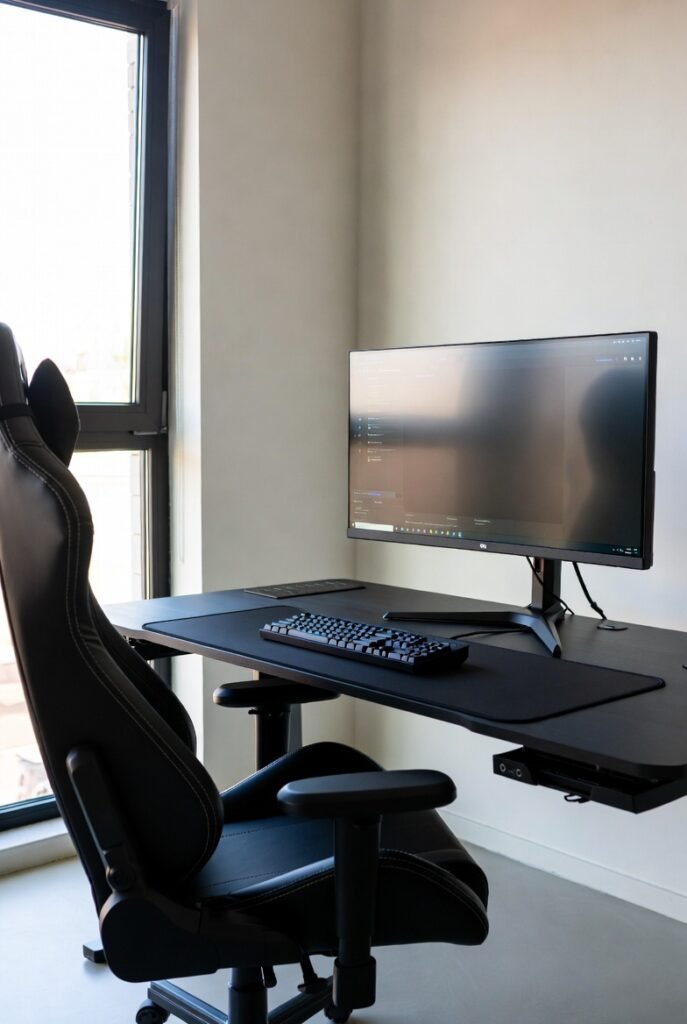
Before you even launch a game, your physical environment dictates your ceiling. Professionals don’t play on cluttered desks with inconsistent surfaces; they create a “cockpit” designed for repeatable movements.
Ergonomics and Posture
If your arm is cramped or your chair is at the wrong height, your muscle memory will never be consistent. Your elbows should ideally be at a 90-degree angle, and your feet should be flat on the floor. This stability allows your shoulder and pivot points to move without resistance.
The Role of High-Quality Peripherals
You don’t need to spend thousands, but certain “non-negotiables” impact your ability to aim:
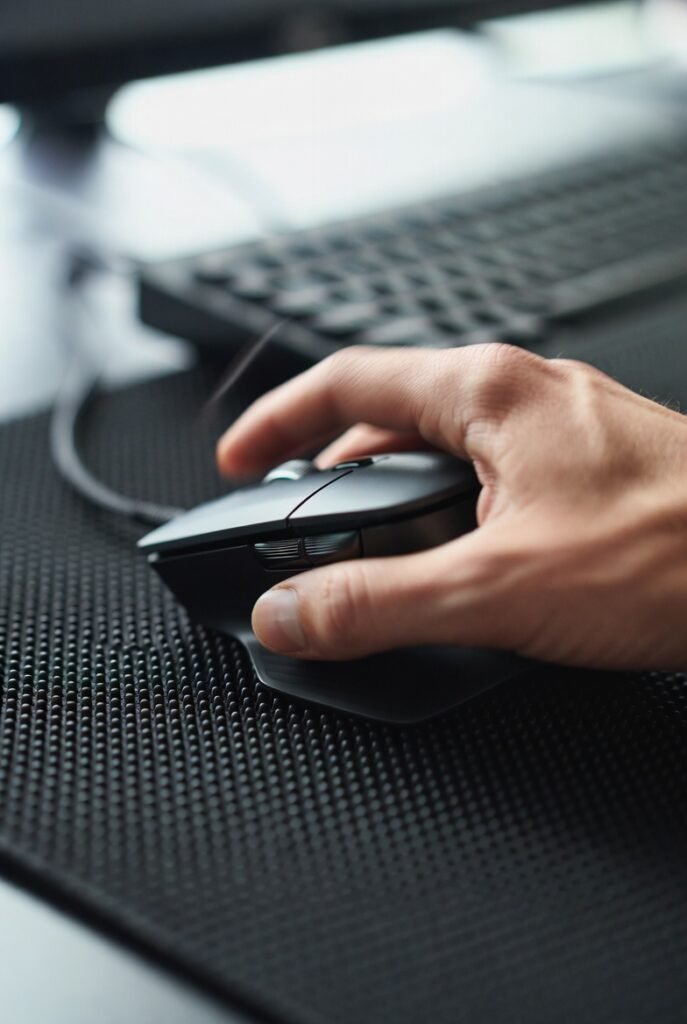
- The Mouse: Look for a sensor with “zero hardware acceleration.” This ensures that the distance you move your mouse physically always translates to the exact same distance on screen.
- The Surface: A large cloth or hybrid mousepad is essential. If you run out of pad mid-flick, you’ve already lost the fight.
- Monitor Refresh Rate: Playing at 60Hz puts you at a massive disadvantage against players at 144Hz or 240Hz. Higher refresh rates reduce input lag and make enemy movement appear smoother and easier to track.
- https://lyallpurgamezone.site/
Technical Optimization: The “Settings” Secret
Pro players rarely play on “Ultra” graphics. They prioritize frames per second (FPS) and visual clarity over cinematic beauty.
Sensitivity and DPI: The Golden Ratio
A common mistake among beginners is using a sensitivity that is far too high. While “twitchy” movement feels fast, it sacrifices precision.
- DPI (Dots Per Inch): Most pros stay between 400 and 800 DPI.
- eDPI (Effective DPI): Calculate this by multiplying your in-game sensitivity by your mouse DPI.
Minimizing Input Latency
To aim like a pro, your computer must respond to your hand instantly.
- Disable Mouse Acceleration: In Windows settings, turn off “Enhance Pointer Precision.”
- Use Fullscreen Mode: Windowed or Borderless modes often introduce slight delays in frame rendering.
- Reflex/Anti-Lag: Enable NVIDIA Reflex or AMD Anti-Lag to synchronize the CPU and GPU, shaving off precious milliseconds of delay.
- https://lyallpurgamezone.site/
The Three Pillars of Aiming Mechanics
To improve, you must understand that “aiming” is actually three distinct skills working in tandem.
1. Click-Timing (Flicking)
This is the ability to move your crosshair from point A to point B and click at the exact moment it overlaps the target. This is vital in games like Counter-Strike or when using snipers.
2. Tracking
Tracking is the ability to keep your crosshair locked onto a moving target. This is the dominant skill in high-TTK (Time to Kill) games like Apex Legends or Overwatch 2. It requires smooth, reactive wrist and arm movements.
3. Target Switching
This involves killing one target and immediately transitioning to the next with minimal wasted motion. It tests your spatial awareness and your ability to stop your mouse momentum instantly.
https://lyallpurgamezone.site/
Professional Training Routines
Playing the game is the best way to learn “game sense,” but it is an inefficient way to learn raw aiming mechanics. In a 30-minute match, you might only spend 2 minutes actually shooting.
Using Aim Trainers
Software like KovaaK’s or Aim Labs allows you to compress hours of shooting practice into minutes.
- Warm-up (10-15 mins): Use “Gridshot” or “Microflicks” to wake up your nervous system.
- Specific Training (20-30 mins): Focus on your weaknesses. If you struggle to hit moving targets, spend this time exclusively on tracking scenarios.
The Importance of Crosshair Placement
The best aimers in the world actually move their mouse less than average players. This is because of superior crosshair placement.
Pro Tip: Always keep your crosshair at head level and pre-aim corners where an enemy is likely to appear. If your crosshair is already where the enemy’s head will be, you don’t need to flick; you just need to click.
Comparison: Low Sensitivity vs. High Sensitivity
| Feature | Low Sensitivity (Arm Aiming) | High Sensitivity (Wrist Aiming) |
| Precision | Excellent for long-range and micro-adjustments. | Can be difficult to stay steady. |
| Speed | Requires large physical movements. | Extremely fast 180-degree turns. |
| Physical Strain | Lower risk of Carpal Tunnel; uses the whole arm. | Higher strain on the wrist joint. |
| Consistency | High; larger muscle groups are easier to train. | Lower; small tremors impact aim significantly. |
https://lyallpurgamezone.site/
Common Myths and Mistakes
Myth 1: “Change your settings to match a Pro”
Copying a professional’s sensitivity won’t magically give you their aim. Their settings are optimized for their specific mousepad friction, mouse weight, and even their grip style (Palm, Claw, or Fingertip). Use their settings as a starting point, then adjust to what feels natural to you.
Myth 2: “Buying a better mouse makes you a better player”
Hardware removes bottlenecks, but it doesn’t grant skill. A pro player with an office mouse will still beat a novice with a $150 gaming mouse. Focus on practice first, gear second.
Mistake: Death-Gripping the Mouse
When players get nervous, they tend to squeeze the mouse tighter. This causes “jitter” and prevents smooth tracking. Practice maintaining a light, controlled grip even during intense firelights.
Best Practices for Consistent Growth
- Record and Review Your Gameplay: Watch your deaths in slow motion. Did you over-flick? Was your crosshair at the floor? Analyzing your mistakes is the fastest way to fix them.
- Don’t Over-train: Aim training is mentally taxing. If you train for three hours straight, your performance will diminish due to fatigue. Short, focused sessions are superior.
- Focus on Movement: Your aim is only as good as your feet. Learn “counter-strafing” (tapping the opposite movement key to stop instantly) to ensure your shots are perfectly accurate the moment you fire.
- https://lyallpurgamezone.site/
best gaming laptop for GTA 6: Aim Like a Pro: Secrets to Better FPS Performance Xbox Cloud Gaming vs PS Cloud: Aim Like a Pro: Secrets to Better FPS Performance Valorant 2026 pro settings guide: Aim Like a Pro: Secrets to Better FPS Performance top VR headset 2026 review: Aim Like a Pro: Secrets to Better FPS Performance GTA 6 how to unlock features: Aim Like a Pro: Secrets to Better FPS Performance competitive FPS settings US gamers: Aim Like a Pro: Secrets to Better FPS Performance
Conclusion: The Path to Precision
Becoming a “pro-level” aimer is not an overnight achievement. It is the result of technical optimization, a disciplined training routine, and the humility to analyze your own failures. Start by lowering your sensitivity, ensuring your hardware isn’t holding you back, and spending 20 minutes a day in an aim trainer.
The most important takeaway? Consistency is king. Stick to one set of settings, one mouse, and one routine. Your muscle memory thrives on predictability.

Frequently Asked Questions (FAQ)
1. What is the best DPI for FPS games?
Most competitive players use 400 or 800 DPI. While modern sensors can go up to 20,000 DPI, higher values are often too sensitive for precise control and can introduce “sensor noise.”
2. How can I stop my hand from shaking while aiming?
Shaking is often caused by a grip that is too tight or a sensitivity that is too high. Try lowering your in-game sensitivity and focusing on breathing exercises to stay calm during high-pressure moments.
3. Does a 144Hz monitor really help with aim?
Yes. A 144Hz monitor updates the image on your screen more than twice as often as a standard 60Hz screen. This reduces the “ghosting” of moving targets and lowers your system’s total input latency.
4. Should I use mouse acceleration?
For 99% of players, no. Mouse acceleration makes the distance the cursor moves dependent on how fast you move the mouse. This makes it almost impossible to develop consistent muscle memory.
5. How long does it take to see results from aim training?
If you practice for 20-30 minutes daily, you will likely notice a significant improvement in your “micro-adjustments” within two weeks. However, mastering tracking and flicking can take months of dedicated effort.
6. What is “Warm-up” vs. “Training”?
A warm-up is meant to ready your muscles and mind for a match (10 minutes). Training is a dedicated session meant to push your limits and improve your baseline skill (30+ minutes). Don’t confuse the two!
🔥 2026 Trending Games
- GTA 6 🔥🔥🔥
- Call of Duty 2026
- Fortnite Chapter updates
- Valorant new agents
- EA Sports FC updates
- Minecraft AI mods
- Roblox creator economy
Realted post:

Introduction:
Mobile gaming in the US and UK is more competitive than ever, with millions of players fighting for rank, rewards, and recognition. The difference between casual players and consistent winners usually comes down to strategy, not just reaction speed.
If you want to climb leaderboards, perform better in ranked modes, and even build a small side income from mobile games, you need to treat gaming like a skill you can systematically improve. This guide breaks down 10 practical secrets to mobile gaming success in the US and UK, blending technical optimization, smart habits, and competitive mindset.
The main keyword for this guide is mobile gaming success, and you’ll see it used naturally throughout, along with related terms like “competitive mobile gaming,” “ranked play,” “US and UK players,” and “mobile esports.”
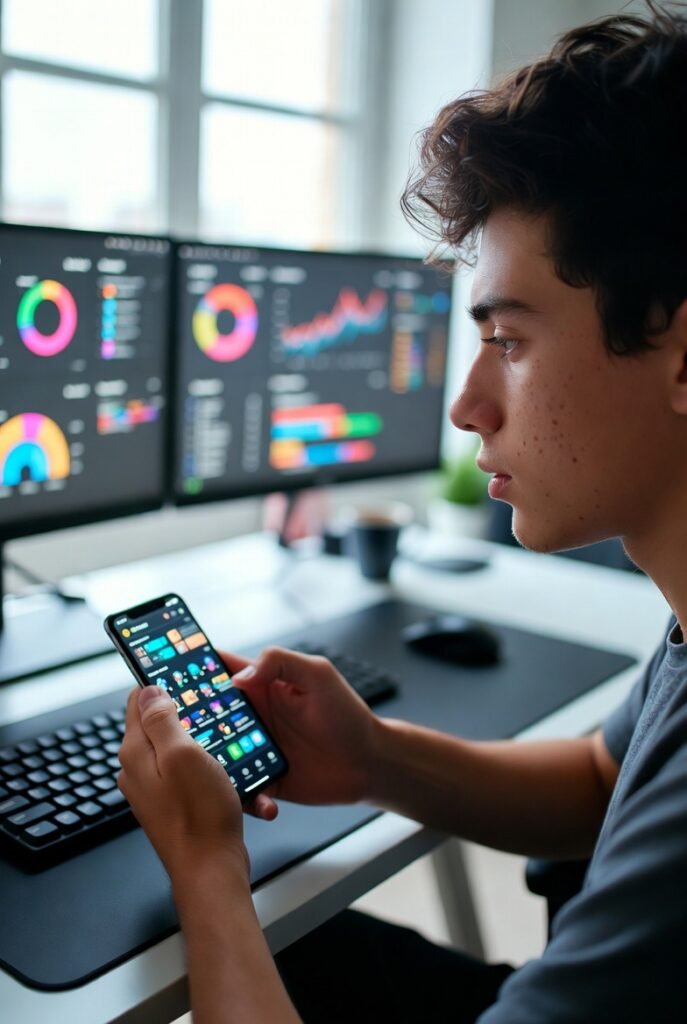
1. Optimize Your Device for Peak Performance
In a world where milliseconds determine victory, your hardware is your first line of defense. Professional gamers in the US and UK don’t play on cluttered devices. To succeed, you must ensure your phone is running at its absolute best.
Clear Your Background Processes
Modern games like Genshin Impact or PUBG Mobile are resource-heavy. Before starting a session, use your device’s built-in “Game Mode” or manually clear background apps. This frees up RAM (Random Access Memory) and ensures the CPU is dedicated entirely to your gameplay.
Heat Management
Thermal throttling is the silent killer of winning streaks. When your phone gets too hot, the processor slows down to cool itself, leading to frame drops. Consider using a dedicated mobile cooling fan—a popular accessory in the UK gaming community—to maintain a consistent 60 or 120 FPS.
2. Master the “Claw” Grip and Custom HUDs
The biggest mistake casual players make is sticking to the default two-thumb control scheme. If you want to play like a pro, you need to transition to a “three-finger” or “four-finger claw” grip.
- What is the Claw Grip? It involves using your index fingers for actions like shooting or jumping while your thumbs handle movement and aiming.
- Customizing the HUD: Every top-tier player in the US competitive scene uses a custom Heads-Up Display (HUD). Move your most-used buttons to the top corners of your screen to increase your reaction time.
3. Leverage High-Refresh-Rate Displays
If you are still playing on a 60Hz screen, you are at a disadvantage. Most flagship devices in 2026 support 120Hz or even 144Hz refresh rates.
A higher refresh rate allows you to see enemy movements more fluidly. In fast-paced shooters, this can be the difference between hitting a headshot and missing entirely. Ensure that your in-game settings are set to “Ultra” or “Max” frame rates, even if it means lowering the graphics quality slightly.
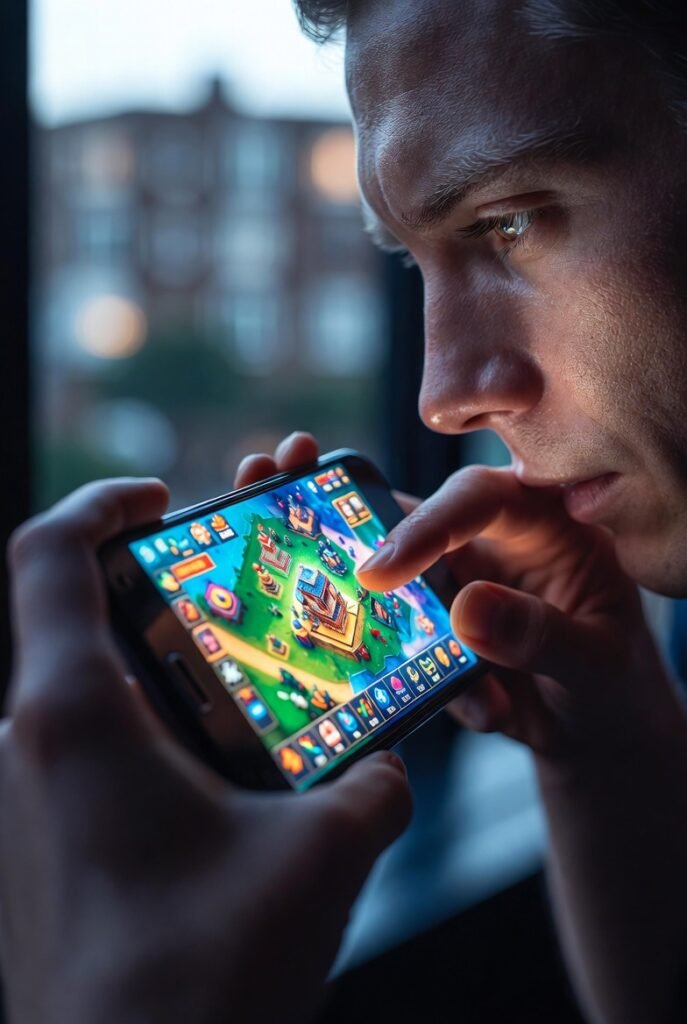
4. Invest in Professional Gaming Accessories
While touchscreens have improved, they can’t always match the precision of physical hardware. The US and UK markets have seen a massive surge in mobile gaming peripherals.
| Accessory | Benefit | Recommended For |
| Mobile Controller | Eliminates screen obstruction and provides tactile feedback. | Racing and RPG games. |
| Thumb Sleeves | Reduces friction and prevents “sticky” movements from sweat. | Competitive FPS (First-Person Shooters). |
| Low-Latency Earbuds | Provides spatial audio to hear enemy footsteps. | All competitive multiplayer titles. |
| Trigger Attachments | Adds physical shoulder buttons to your phone. | Battle Royale games. |
https://lyallpurgamezone.site/
5. Prioritize Low Latency and 5G Connectivity
In the UK and US, 5G coverage has become the standard for mobile gaming. However, even with 5G, “ping” (latency) can fluctuate.
- Avoid Public Wi-Fi: These networks are often unstable and crowded.
- Use a Gaming Router: Many modern routers allow you to prioritize gaming traffic, ensuring your mobile device gets the fastest possible connection.
- Wired Connection: Did you know you can use a USB-C to Ethernet adapter? Professional mobile tournament players often use this “secret” to get zero-latency internet.
6. Study the Meta and Patch Notes
The most successful gamers are also the most informed. Mobile games are “Live Ops” driven, meaning they change constantly.
A weapon that was “overpowered” (OP) last week might be “nerfed” (weakened) today. Follow official Discord channels and Reddit communities specifically for US and UK players to stay ahead of the “Meta”—the Most Effective Tactic Available.

7. Master Spatial Audio Awareness
In games like Free Fire or Standoff 2, your ears are as important as your eyes. Professional players never play on speakerphone. They use high-quality, low-latency earbuds to pinpoint exactly where an enemy is reloading or running.
How to Practice Audio Cues:
- Enter a training map.
- Close your eyes.
- Try to identify the direction of gunfire or footsteps purely by sound.
- Adjust your “Audio Dynamic Range” in settings to “High” to hear faint sounds more clearly.
8. Focus on a Single Genre
A “jack of all trades” is a master of none in mobile gaming. The mechanics of a MOBA (like Wild Rift) are vastly different from a tactical shooter.
To achieve success, choose one genre and stick to it. This allows you to build “muscle memory.” Once you have mastered the movement and timing of one game, your skills will naturally transfer to others within the same category.
9. Utilize “Do Not Disturb” and Focus Modes
Nothing ruins a clutch moment like a random notification or a phone call.
In both iOS and Android, you can set up “Gaming Focus” modes. These settings automatically silence all interruptions and can even be configured to reject calls while a game is open. Success requires 100% concentration; don’t let a spam call cost you the match.
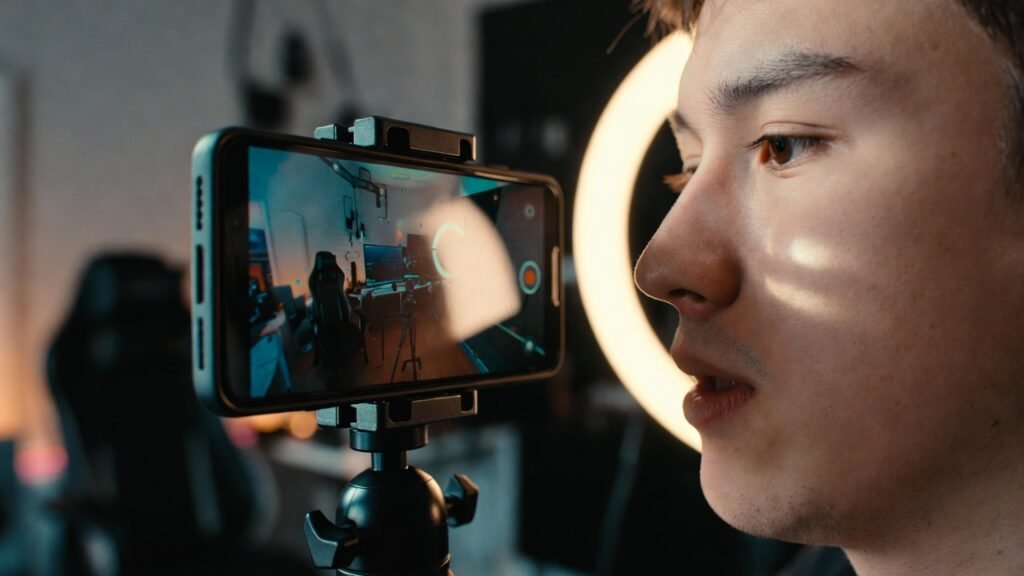
10. Record and Review Your Gameplay
One of the best-kept secrets of pro gamers in the UK and US is VOD (Video on Demand) review.
Use your phone’s screen recorder to capture your matches. When you lose, don’t just start a new game. Watch the recording and ask yourself:
- Was my positioning bad?
- Did I miss my shots because of my sensitivity settings?
- Did I ignore the mini-map?
Identifying these patterns is the fastest way to improve your win rate.
best gaming laptop for GTA 6: 10 Secrets to Mobile Gaming Success in the US & UK Xbox Cloud Gaming vs PS Cloud: 10 Secrets to Mobile Gaming Success in the US & UK Valorant 2026 pro settings guide: 10 Secrets to Mobile Gaming Success in the US & UK top VR headset 2026 review: 10 Secrets to Mobile Gaming Success in the US & UK GTA 6 how to unlock features: 10 Secrets to Mobile Gaming Success in the US & UK competitive FPS settings US gamers: 10 Secrets to Mobile Gaming Success in the US & UK
Common Myths in Mobile Gaming
- Myth: You need the most expensive phone to win. * Reality: While a flagship helps, many mid-range “gaming phones” offer similar performance for half the price. Skill and optimization matter more than the price tag.
- Myth: Controllers are cheating. * Reality: Most competitive games now separate players into “Touch” and “Controller” lobbies to keep things fair. Using a controller is a legitimate way to play, especially for cross-platform titles.
- Myth: Mobile gaming isn’t “real” gaming. * Reality: With mobile esports prize pools hitting millions of dollars in 2026, this myth is officially dead. The skill ceiling in mobile gaming is incredibly high.
Expert Tips for Longevity
- Eye Health: Follow the 20-20-20 rule. Every 20 minutes, look at something 20 feet away for 20 seconds to reduce eye strain.
- Sensitivity Calibration: Don’t copy a pro player’s sensitivity settings. Spend 30 minutes in the practice range to find what feels natural for your thumb speed.
- Community Engagement: Join local UK or US-based clans. Playing with a consistent team improves communication and makes winning much easier.
Conclusion: Your Path to Mastery
Success in mobile gaming is no longer about luck; it is about preparation, optimization, and practice. By mastering the “claw” grip, investing in the right accessories, and maintaining a high-performance device environment, you position yourself in the top 1% of players.
Remember, the most important takeaway is consistency. Spend time reviewing your mistakes and staying updated with the meta. The digital arenas of the US and UK are waiting—it’s time to claim your victory.
🔥 2026 Trending Games
- GTA 6 🔥🔥🔥
- Call of Duty 2026
- Fortnite Chapter updates
- Valorant new agents
- EA Sports FC updates
- Minecraft AI mods
- Roblox creator economy
FAQ: Mobile Gaming Success
1. Which phone is best for mobile gaming in 2026?
The best phones generally include the latest iPhone Pro models, the Samsung Galaxy S-series, and dedicated gaming phones like the ASUS ROG Phone or RedMagic. Look for at least 12GB of RAM and a 120Hz display.
2. Is 5G really necessary for competitive gaming?
Yes, for the lowest possible latency (ping) while on the move. However, a stable 5GHz Wi-Fi connection is usually more consistent for home gaming sessions.
3. How can I reduce lag on my Android phone?
Enable “Developer Options” and limit background processes. You should also turn off “Auto-Sync” and ensure your storage is at least 20% free to prevent the system from slowing down.
4. Are thumb sleeves worth buying?
Absolutely. For a few dollars/pounds, they provide a consistent glide and prevent sweat from interfering with your touch inputs, which is vital for high-precision games.
5. What is the best way to get noticed by esports scouts?
Start by climbing the in-game ranked ladders. Once you hit the top tiers, begin streaming on platforms like Twitch or YouTube and participate in community-run tournaments in the US and UK.
6. Can I play mobile games on a PC?
Yes, using emulators or official “Google Play Games for PC” software. However, keep in mind that many competitive games will place you in separate lobbies to ensure fairness against touch-screen players.
Related post:
Leave a Reply


Introduction:
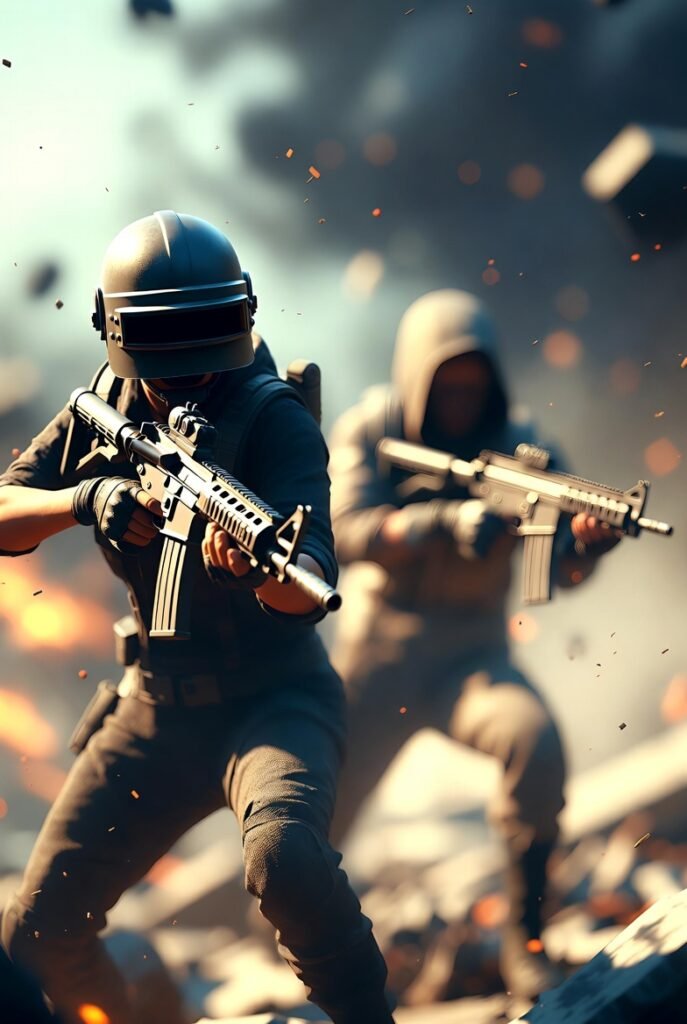
Fortnite is no longer just a battle royale; it’s a live service platform where cosmetics, events, and constant updates shape how you experience the game. The best Fortnite skins do more than look cool – they can express your personality, improve visibility in fights, and even tap into nostalgia from past seasons.
At the same time, staying informed about the latest Fortnite updates helps you understand new collabs, balance changes, and what’s worth spending your V‑Bucks on. In this guide, we’ll walk through the top Fortnite skins in 2026, current meta favourites, and the key updates and roadmap you should know about.
https://lyallpurgamezone.site/
LSI ideas used naturally:
- Fortnite skins 2026
- most popular Fortnite skins
- Fortnite latest updates
- Fortnite roadmap 2026
- Chapter 7 Season 1
The Best Fortnite Skins of 2026: Ranking the Top Picks
With over 2,000 outfits in the game, “the best” is subjective. However, looking at popularity, design complexity, and community demand, several skins stand above the rest this year.
1. The Iconic Crossovers (Marvel, Anime, and Gaming)
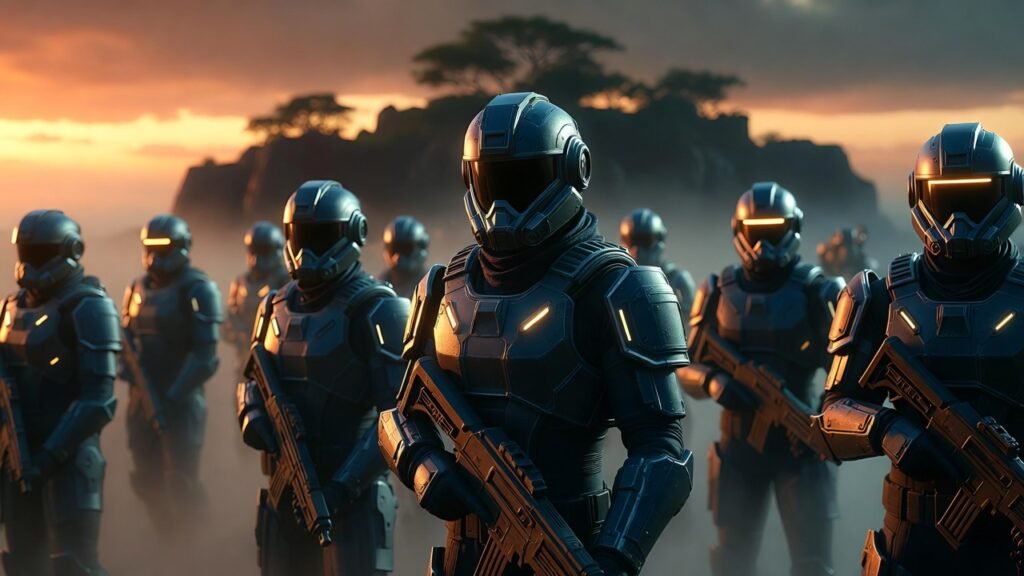
Collab skins remain the backbone of the Fortnite Item Shop. In 2026, the Deadpool & Wolverine (Pen & Ink) bundle has seen a massive resurgence due to its unique comic-style shading that pops in-game.
- Son Goku (Dragon Ball Series): Still a fan favorite, especially with the 2026 “Mini” styles from Dragon Ball Daima.
- Spider-Gwen: Often cited as one of the “cleanest” designs for competitive play.
- Master Chief: A legendary Gaming Series staple that remains a high-status skin in 2026 lobbies.
2. The Pop Culture Icons
Fortnite Festival has brought a wave of “Icon Series” skins that are more than just outfits—they include reactive instruments and emotes.
- Hatsune Miku: Released in early 2025, she remains a top-used skin due to her vibrant animations.
- Chappell Roan: The latest sensation in the 2026 “Pink February” update, featuring the “Roan of Arc” style.
- Billie Eilish (Platinum Edition): A sleek, high-fashion take on the artist that dominates the Festival Stage.
3. Original Fortnite Legends
You can’t talk about the best skins without mentioning the characters that built the game’s lore.
- Midas (Golden Legend): The king of gold remains the most iconic original character.
- Meowdas: The Chapter 6 fusion of Meowscles and Midas has become a 2026 must-have for fans of the lore.
- Peely & Fishstick: These “meme” skins continue to get seasonal variants (like the recent Big Dill pickle-themed skin) that keep the community laughing.
- https://lyallpurgamezone.site/how-to-create-stunning-games-in-unreal-engine-5/
What Makes a Fortnite Skin “Best”?
Core factors players care about
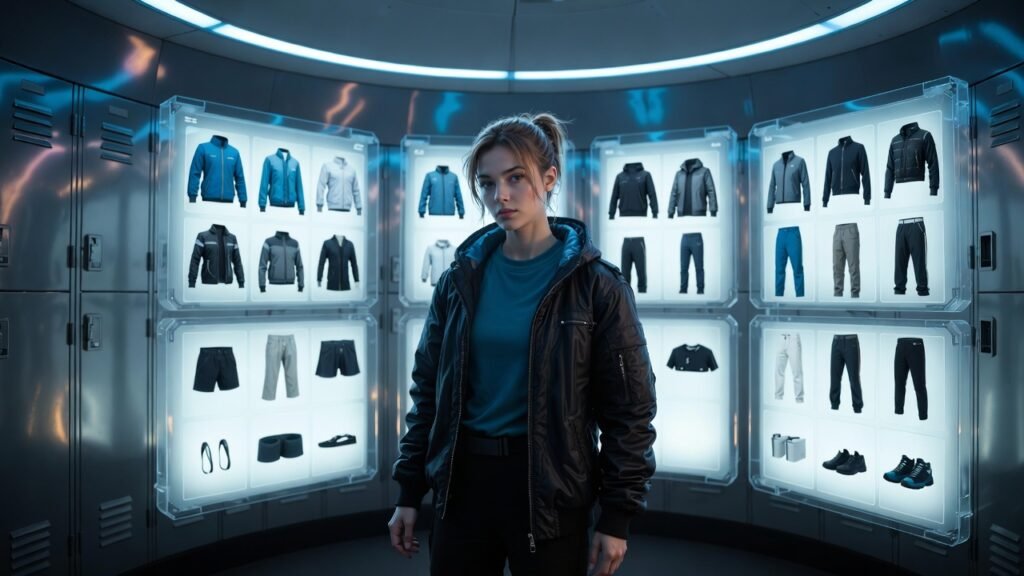
When players talk about the best Fortnite skins, they usually mean skins that score highly in four areas:
- Visual design and uniqueness.
- How often the community uses them.
- Competitive visibility (easy to see enemies, not too bulky).
- Rarity or collaboration value (crossovers, limited runs).
Data from community tracking and usage sites shows clear trends: slim, clean, customizable skins tend to dominate lobbies and ranked games.
Casual vs competitive skin choices
There’s a natural split between skins you see in sweaty lobbies and skins you see in casual or creative modes:
- Competitive players lean toward slim, single‑color or clean outfits that don’t block vision.
- Casual players often prefer collab skins, nostalgic battle pass outfits, and big, flashy designs.
Understanding that difference will help you choose a skin that matches your playstyle and not just the hype.
Latest Fortnite Updates: What’s New in Chapter 7?
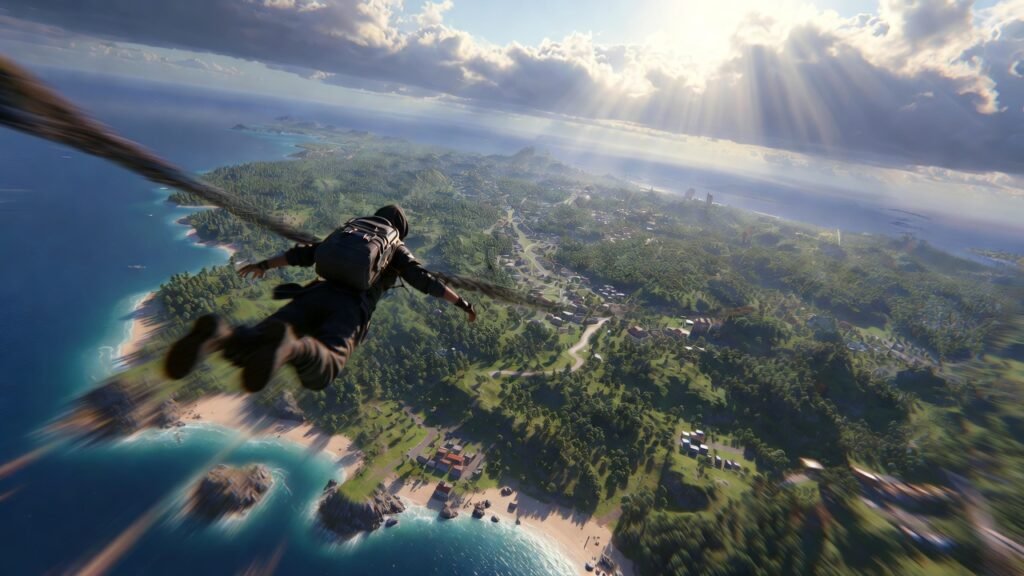
Fortnite is currently in the midst of Chapter 7 Season 1, which has completely overhauled the island’s mechanics. Here is a breakdown of the major changes currently live as of February 2026.
The Return of the “Seven” and Map Changes
The storyline has shifted back to the roots of the island, with the Seven making a mysterious return. This has brought new POIs (Points of Interest) that blend futuristic technology with the classic OG aesthetic.
The New Battle Pass System
Epic Games recently introduced a “Flexible Progression” system. Instead of a linear path, you can now spend “Battle Stars” in any order across the first 50 tiers, allowing you to unlock your favorite skins much faster.
February 2026 Event: “Fortnite Wears Pink”
The current themed event is a nod to Valentine’s Day and 2000s pop culture. It features the Mean Girls rumored collaboration and the official Chappell Roan concert event in Fortnite Festival.
https://lyallpurgamezone.site/xbox-cloud-gaming-vs-ps5-plus-best-choices-2026/
Rare Fortnite Skins: Do You Own a Fortune?
In 2026, rarity is defined by how long a skin has been absent from the Item Shop. While some “OG” skins like Renegade Raider have surprisingly made brief returns in special 2026 “Legacy Bundles,” others remain locked away.
Rarest Skins as of February 2026
- Aerial Assault Trooper: Still the “holy grail” of rarity, having not been seen since Season 1.
- Galaxy: Exclusive to the original Samsung promotion, this skin is a true status symbol.
- Reflex: Despite an accidental Item Shop appearance years ago, the original Nvidia-exclusive version remains incredibly rare.
- Kratos (God of War): One of the most-requested skins that has been missing for years, making it a “rare” Gaming Legend.
Comparison Table: Best Value Skin Bundles in 2026
If you are looking for the most “bang for your V-Buck,” these bundles offer multiple styles and accessories for a discounted price.
| Bundle Name | Included Skins | V-Bucks Price | Value Rating |
| Marvel Rivals Wave 2 | Luna Snow, Magik | 2,800 | High (Exclusive Emotes) |
| One Piece (Upcoming) | Luffy, Zoro, Nami | 3,400 (Est.) | Extreme (Hype Factor) |
| Power Rangers | All 5 Rangers | 3,600 | Best for Squads |
| K-Pop Demon Hunters | Rumi, Mira, Zoey | 3,500 | High (Detailed Physics) |
| The Simpsons | Homer, Marge, Bart | 3,200 | Nostalgia King |
https://lyallpurgamezone.site/mastering-gta6how-to-choose-the-best-weapons/
Leaked Fortnite Skins: Upcoming 2026 Collaborations
Data miners and leakers like ShiinaBR and HYPEX have uncovered a massive roadmap for the rest of 2026. If you are planning your V-Buck spending, keep an eye on these dates.
- Overwatch 2 (February 2026): Tracer, Genji, and Mercy are expected to drop as the first Blizzard collab.
- One Piece (March 2026): Monkey D. Luffy and the Straw Hat crew are finally confirmed for a mid-season launch.
- Devil May Cry (May 2026): Dante and Vergil skins are rumored to coincide with a new gaming event.
- James Bond (Summer 2026): A “Suited and Booted” update featuring 007 and a drivable Aston Martin.

Common Myths and Mistakes
Myth: Buying a Rare Skin Makes You a Pro
While “sweaty” skins like Aura or the Superhero skins (Backlash) are popular with competitive players because of their slim hitboxes and lack of visual clutter, they don’t actually give you a statistical advantage. Hitboxes in Fortnite are standardized across all skins.
Mistake: Panic-Buying “FOMO” Skins
Epic Games has recently changed their policy on Battle Pass exclusivity. Many skins released after 2024 can now appear in the Item Shop 18 months after their season ends. Don’t feel pressured to buy every Battle Pass if you only want one specific character.
Myth: “Blackout” Skins Are Invisible
While all-black Superhero skins were once used to hide in shadows, Epic has added a “glow” effect to these skins in dark areas to maintain competitive integrity.
Expert Tips for Building Your Locker
- Focus on “Selectable Styles”: Skins like Drift or Omega that offer multiple stages of evolution give you much more variety for a single purchase.
- Check the “TGP” (Technical Graphic Polish): Newer skins from 2025 and 2026 utilize the latest Unreal Engine 5 features, such as cloth physics and reactive lighting, making them look significantly better than early 2018 skins.
- Use the Refund System Wisely: You only get a limited number of “Return Tickets” per year. Save them for accidental purchases or skins you truly regret after one match.
- Synergize with Back Bling: Before buying a skin, check if you have a “Universal” back bling (like the Black Shield or Star Wand) that will look good with it.
Conclusion: Which Skin Should You Choose?
In 2026, the best Fortnite skin is the one that expresses your personality. If you love the competitive grind, the slim-profile Superhero or Siren skins are your best bet. If you are a collector, the Hatsune Miku or Johnny Silverhand outfits offer the most detail and cultural relevance.
Actionable Takeaway: With the One Piece and Overwatch collaborations arriving in late Q1 2026, we recommend saving at least 3,000 V-Bucks to ensure you can snag your favorite legendary characters when they drop.
FAQ: Most Searched Questions About Fortnite Skins
1. Is Travis Scott coming back to Fortnite in 2026?
There is no official confirmation from Epic Games. While he remains one of the most requested skins, he has not been in the shop since 2020. However, 2026 leaks suggest a new “Icon Series” tribute might be in the works.
2. Can you still get the Renegade Raider?
The original Renegade Raider is exclusive to the Season 1 Shop and will not return. However, a “Checkered” variant was recently added to the 2026 Legacy rewards for veteran players.
3. What is a “Sweaty” skin?
A “sweaty” skin is an outfit typically worn by highly skilled, competitive players. Popular examples include Aura, Focus, and the custom Superhero skins (usually set to a single solid color).
4. How do I get free Fortnite skins in 2026?
Epic Games usually offers 2-3 free skins during the Winterfest event in December and the Lantern Fest in the Spring. Additionally, certain Epic Games Store purchases (like the Resident Evil Requiem promo) offer free crossover skins.
5. Why are some skins banned in certain game modes?
Skins with “disturbing” or horror elements (like the Mincemeat or certain Fortnitemares skins) may be restricted in creative maps that have a “3+” or “7+” age rating to comply with global safety standards.
6. Are the Simpsons skins coming back?
Yes! The Simpsons were part of the 2025 “Mini-Season,” and they are expected to rotate back into the Item Shop in late 2026 during the anniversary of the collaboration.
Leave a Reply
Related post:
2026 Trending Games:
- GTA 6 🔥🔥🔥
- Call of Duty 2026
- Fortnite Chapter updates
- Valorant new agents
- EA Sports FC updates
- Minecraft AI mods
- Roblox creator economy

Aim Like a Pro: Secrets to Better FPS Performance

10 Secrets to Mobile Gaming Success in the US & UK

What Are the Best Fortnite Skins and Latest Updates?

AI NPCs: The New Frontier in Game Design

Best Gaming Laptops For GTA 6 Buyer Ultimate 2026 Guide

How to Choose Between Xbox Cloud Gaming and PS5 Plus
-
 Entertainment3 days ago
AI NPCs: The New Frontier in Game Design
-
 Entertainment3 weeks ago
Best Gaming Laptops For GTA 6 Buyer Ultimate 2026 Guide
-
 Entertainment3 weeks ago
How to Choose Between Xbox Cloud Gaming and PS5 Plus
-

 Entertainment3 weeks ago
GTA 6 Release Date, Trailer, Price, Map and Everything You Need to Know
-
 Entertainment4 weeks ago
What Are the Best Strategies for Assassin’s Creed Shadows?
-
 Gaming1 month ago
ARC Raiders Early Access New Gameplay Official Release Date
-
 Entertainment1 month ago
How Can You Master Survival in Minecraft 2026?
-
 Entertainment4 weeks ago
Ultimate Brawl Stars Guide Master Gameplay Big Wins Now
Leave a Reply