
Gaming
Best Gaming Tables Under 500 USA Complete Buyers Guides

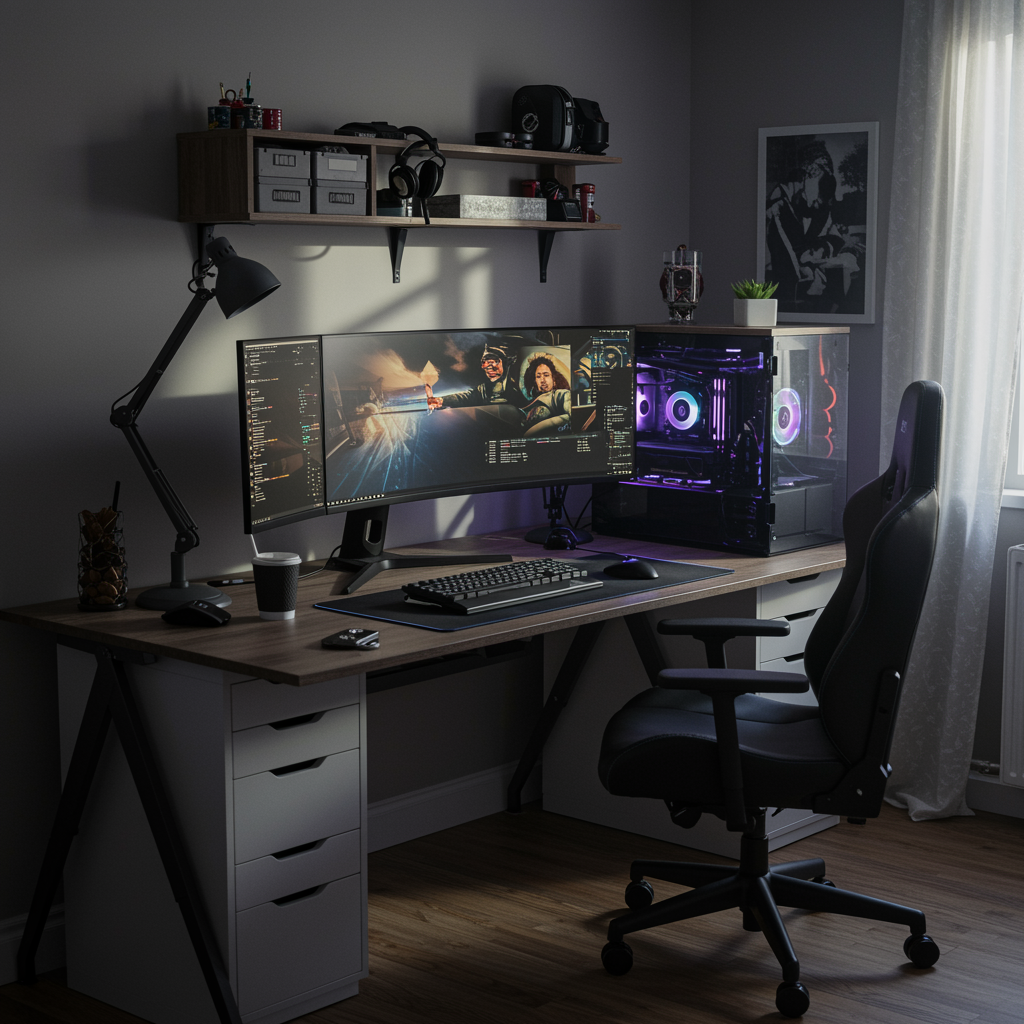
Introduction
Gaming tables have transformed from simple desks into specialized hubs that boost comfort, organization, and performance for enthusiasts. If you’re hunting for the best gaming tables under $500 in the USA, you’re in the right place—this guide cuts through the noise with practical recommendations tailored for budget-conscious gamers.
Whether you’re into long PC sessions, console marathons, or tabletop RPGs, a solid gaming table under $500 can make all the difference. We’ll cover top models, features to prioritize, and smart buying strategies to help you level up your setup.
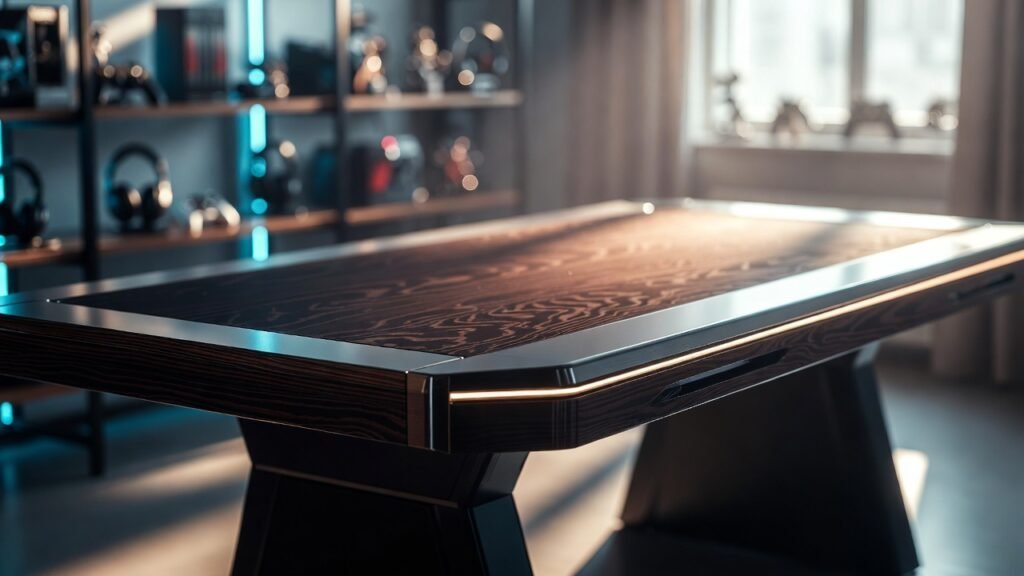
https://www.amazon.com/gaming-tables/s?k=gaming+tables
What Makes a Great Gaming Table?
A top gaming table goes beyond a basic desk by incorporating gamer-specific designs like cable management, monitor stands, and ergonomic adjustments. Under $500, expect sturdy builds from materials like steel frames and engineered wood, balancing durability with affordability.
Key elements include ample surface area (at least 50×25 inches), height adjustability for sitting or standing, and extras like cup holders or RGB lighting. These features prevent clutter and fatigue during extended play, turning your space into a command center.
Top Features to Look For
Prioritize these must-haves when shopping for gaming tables under $500:
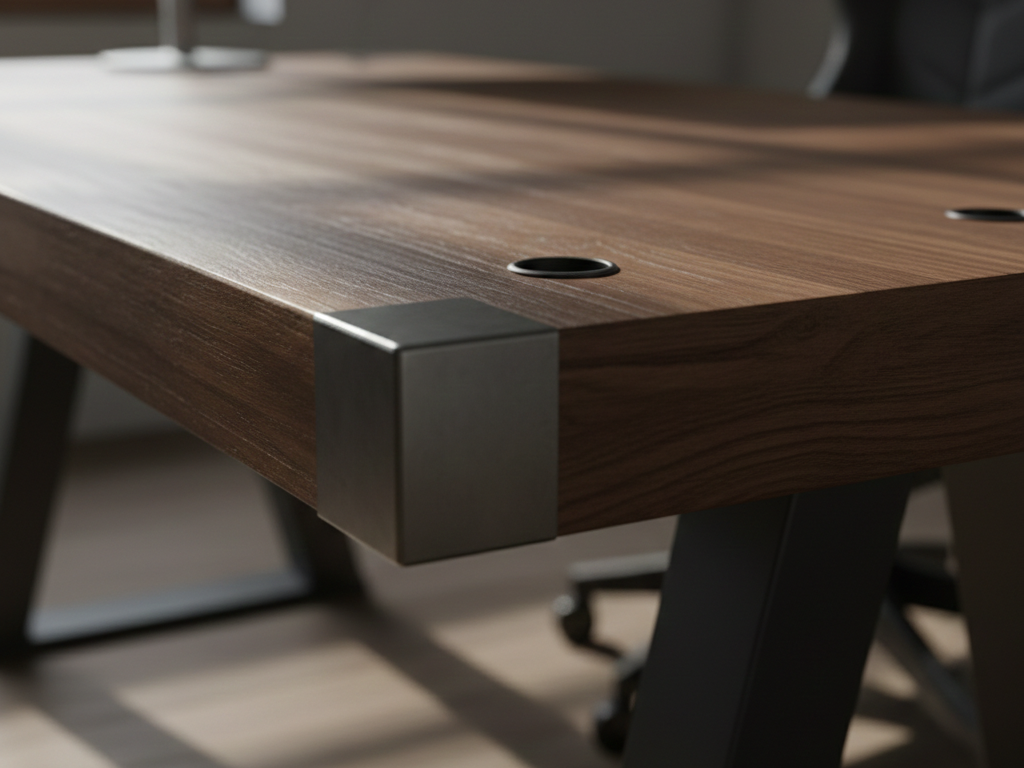
- Surface Material: Textured, waterproof laminates resist spills and scratches from controllers or energy drinks.
- Cable Management: Built-in trays or clips keep wires hidden, reducing trip hazards and visual mess.
- Ergonomics: Adjustable legs or motorized lifts for heights from 28-48 inches support healthy posture.
- Extras: Monitor risers, headphone hooks, and mouse pads integrated into the surface add value.
- Stability: Powder-coated steel legs with cross-bracing handle heavy rigs up to 150-200 lbs.
Models with these shine in real-world use, like during marathon Fortnite sessions where every inch counts.
Why a Good Gaming Table Matters
A gaming table is more than a surface — it’s the foundation of comfort and performance. The right desk:
- Reduces neck, shoulder, and wrist strain through proper ergonomics.
- Keeps cables and power supplies organized and out of sight.
- Provides space for multiple monitors, consoles, and accessories.
- Gives you a stable platform so your mouse and keyboard feel predictable.
Under $500 you’ll find models that strike the best balance between durability and features without unnecessary premium extras.

Best Gaming Tables Under $500: Top Picks
We’ve handpicked standout options available in the USA, focusing on performance, reviews, and value. All are under $500 as of early 2026 pricing from major retailers like Amazon and Best Buy.
Best Overall: Atlantic Gaming Desk
The Atlantic Gaming Desk leads with its L-shaped design, fitting dual monitors and peripherals comfortably. Priced around $450, it includes a full mouse pad surface, elevated monitor shelf, and three cup holders—perfect for solo or co-op play.
Users rave about its assembly ease (under 30 minutes) and stability for 100+ lb setups. It’s ideal for apartments with limited space.
Best Value: CubiCubi Gamer Table
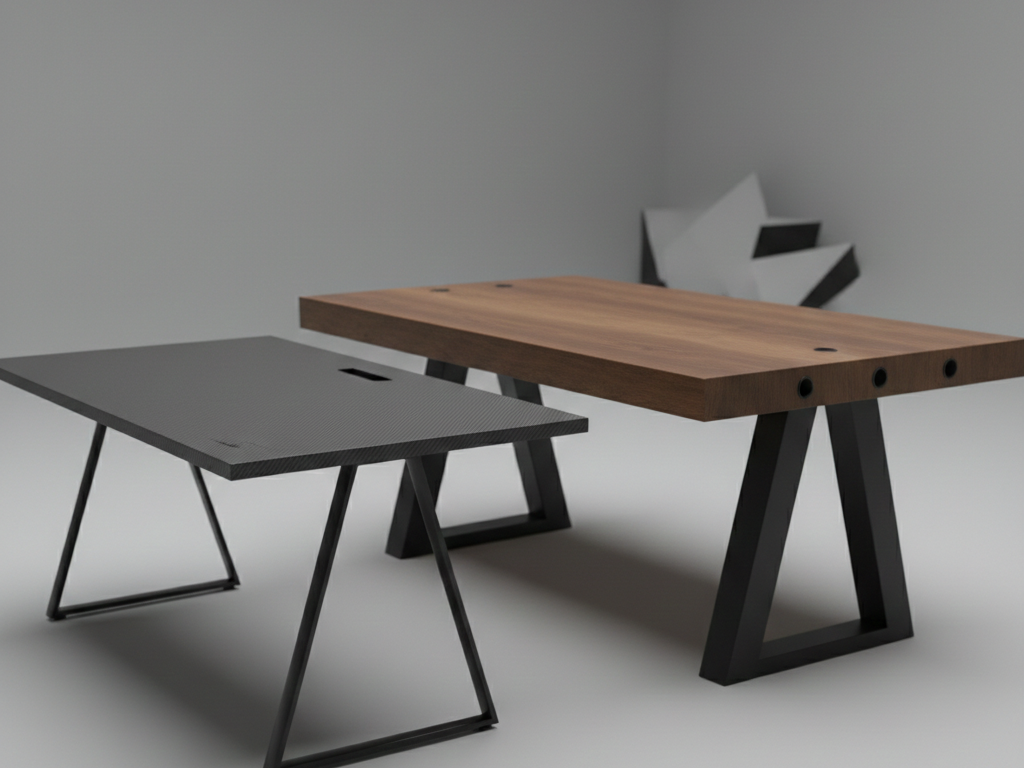
At just $130-$150, the CubiCubi offers surprising bang for the buck with a carbon-fiber texture, LED lights, and pegboard walls for accessories. The 44×19-inch surface suits entry-level rigs, while steel legs ensure wobble-free use.
It’s a favorite for beginners upgrading from flimsy TV trays, holding up well in daily 4-6 hour sessions.
Best Electric Standing Option: FEZIBO Electric Height Adjustable Desk
For $280-$350, the FEZIBO combines a spacious 55×24-inch bamboo top with quiet electric adjustment (25-50 inches). Cable channels and a headset hook keep things tidy, making it versatile for gaming or work.
Ergonomics shine here—standing play reduces back strain during competitive matches.
Best for Large Setups: Eureka Ergonomic L60
Around $400, this 60×30-inch beast features a slanted mouse pad, full-coverage play surface, and RGB ambiance. Dual monitor support and reinforced corners handle pro-level gear without flexing.
Streamers love its photogenic design and room for mechanical keyboards.
Budget Foldable Pick: GTPLAYER Portable Gaming Table
Under $100, the GTPLAYER folds flat for storage, with a steel frame and mouse bungee. At 41×22 inches, it’s compact yet supports 66 lbs—great for dorms or guest rooms.
Comparison Table
| Model | Price Range | Size (inches) | Key Features | Weight Capacity | Standout Trait |
|---|---|---|---|---|---|
| Atlantic Gaming | $400-$450 | 52×24 | L-shape, 3 cup holders, riser | 100 lbs | Multi-monitor fit |
| CubiCubi Gamer | $130-$150 | 44×19 | LED lights, pegboard | 132 lbs | Ultra-affordable |
| FEZIBO Electric | $280-$350 | 55×24 | Height adjustable, bamboo top | 176 lbs | Ergonomic standing |
| Eureka L60 | $380-$420 | 60×30 | RGB, slanted pad | 165 lbs | Large surface |
| GTPLAYER Foldable | $80-$110 | 41×22 | Portable, mouse bungee | 66 lbs | Space-saving |
This table highlights how each stacks up for different needs, like space or adjustability.
Advantages of Gaming Tables Under $500
These tables punch above their price with tailored perks. They organize chaos into efficiency, with built-in features saving $50-100 on add-ons like trays or risers.
Ergonomic designs cut fatigue—standing options like the FEZIBO promote better circulation during 8-hour raids. Plus, they’re scalable; start basic and upgrade monitors later.
Portability shines in foldables, fitting transient lifestyles without sacrificing function.
Potential Drawbacks
Not all budget tables are flawless. Some, like cheaper foldables, may wobble under heavy loads or lack premium finishes that peel over time.
Assembly can frustrate—expect 45-90 minutes with pictural guides. Limited color options and no universal warranties (typically 1-year) mean checking return policies.
Electric models risk motor failures if overloaded, so stick to rated capacities.
What You Should Prioritize (not just looks)
When shopping in this price range, focus on the elements that affect real-world use:
1. Frame & Stability
A steel frame with cross-bracing or reinforced legs prevents wobble. Look for desks rated to hold 150–300 lbs if you plan multiple monitors and heavy peripherals.
2. Desktop Material & Thickness
Good desktops are usually 18–25 mm thick (MDF or laminated plywood). Thicker tops resist sagging and last longer. Textured or matte finishes help reduce glare and scratching.
3. Surface Area & Shape
Decide how much desk real estate you need:
- 48–55 inches wide — good for single-monitor setups or small rooms.
- 56–72 inches wide — ideal for dual monitors or mixed PC/console rigs.
- L-shaped desks — maximize corner space for a dual-use setup (streaming + gaming).
Depth matters too: 24–30 inches depth gives enough room for keyboard, mouse, and a monitor stand.
4. Cable Management
Built-in trays, grommets, or channels make a huge difference. A simple under-desk tray keeps power strips and chargers hidden and safer.
5. Ergonomics
Look for desks with enough knee clearance and the right height range (typical fixed desk height is ~28–30 inches). If you want sit/stand flexibility, manual-adjust or budget electric lift desks exist under $500 — check lifting capacity and range.
6. Accessories & Practical Extras
- Headset hooks, cup holders, and controller cradles are convenient.
- A raised monitor shelf helps you position displays at eye level.
- Removable mouse pads or full-desk mats protect the surface and improve tracking.

Best Types of Gaming Tables Under $500
A. Racing-Style Gaming Desks
- Features: Carbon-fiber textured tops, compact ergonomic curve, RGB accents on some models.
- Best for: Gamers who want a dedicated aesthetic and compact footprint.
B. L-Shaped Corner Desks
- Features: Large surface area, ideal for multi-monitor or mixed-purpose (work + play).
- Best for: Streamers, content creators, or those who multitask.
C. Standard Rectangular Desks (Large)
- Features: Simpler design, often more legroom, may include storage shelves.
- Best for: Players who want a clean, versatile setup with room for peripherals.
D. Height-Adjustable Desks (Manual or Electric)
- Features: Sit/stand capability, improves posture and circulation.
- Best for: Those who want ergonomic flexibility; manual crank models are cheaper and often under $500.
Example Use Cases & What to Buy
- Small apartment & single monitor: Compact racing-style desk or 48″ rectangular desk with cable grommet.
- Dual-monitor streamer: L-shaped desk with large surface and cable tray.
- Hybrid work/gaming: Height-adjustable desk (manual crank if electric is too costly) with a detachable monitor riser.
- Console + PC setup: Wider desk (60–72″) with a shelf for consoles and controller cradles.
How to Measure Your Space (Quick Checklist)
- Measure the spot where the desk will sit (width × depth × height).
- Leave 24–30 inches behind the chair for movement.
- Account for doorways, elevator widths, stair clearance — can the desk fit through?
- Consider nearby power outlets — you may need an extension or surge protector.
- If you plan a monitor arm, check edge thickness and clamp limits.
Shopping & Budget Tips
- Compare features not brands. A thicker top + steel frame beats RGB for long-term value.
- Watch for sales. Big events (Prime Day, Black Friday, back-to-school) frequently drop mid-range desks into sub-$500 territory.
- Read assembly notes. Heavier, more feature-rich desks take longer to assemble and often require two people.
- Warranty and return policy. Prefer desks with 1–3 year structural warranties.
Assembly & Setup Best Practices
- Assemble with a partner to avoid damage.
- Tighten bolts gradually in an X pattern to ensure even seat and no warping.
- Install cable management before placing heavy equipment; label plugs.
- Use a large desk mat to protect the finish and add mouse tracking space.
Maintenance & Longevity
- Clean surfaces with a microfiber cloth and mild soap; avoid abrasive cleaners.
- Inspect bolts every few months — transport vibrations can loosen fasteners.
- Use felt or rubber feet pads to prevent floor scratches and dampen vibration.
- Avoid placing extremely heavy items in one corner to prevent sagging.
Pros & Cons — What to Expect Under $500
Pros
- Great value: sturdier frames and useful accessories become standard.
- Plenty of styles — from minimalist to gamer-centric looks.
- Good lifetime value if you pick durable materials.
Conclusion
The best gaming tables under $500 in the USA deliver pro features without the premium tag, from the versatile Atlantic to space-savers like GTPLAYER. Weigh your space, budget, and needs using our guide to pick a winner.
Start by measuring your area and checking current deals—your next epic win awaits on a smarter setup.
Frequently Asked Questions (FAQs)
Q: Can I get an electric sit/stand desk under $500?
A: Yes — but expect single-motor or entry-level dual-motor units. Check lifting capacity and noise specs.
Q: How much weight should a good gaming table hold?
A: Aim for at least 150–250 lbs if you run dual monitors and a full PC tower on the desk.
Q: Are L-shaped desks worth it?
A: For multi-monitor setups or combined work/gaming areas, yes — they maximize usable surface area and save floor space.
Q: Should I pick wood or MDF?
A: High-density MDF with laminate is common below $500 and offers good durability; solid wood is rare at this price.
Final Buying Checklist (Copy & Use)
- Steel frame with cross-bracing
- Desktop ≥18 mm thick (MDF/laminate)
- Width matches monitor count (48″/55″/60″/72″)
- Built-in cable management tray or grommets
- Weight capacity ≥150 lbs (higher if multi-monitor)
- Ergonomic height (or adjustable) and good leg clearance
- Assembly tools and instructions included
- Warranty 1 year or more
Closing Thoughts
With a $500 budget, you can build a gaming station that looks premium and performs reliably. Focus on stability, usable space, and smart accessories rather than gimmicks. Whether you want a compact racing desk, roomy L-shaped battlestation, or a sit/stand setup, careful shopping and a clear idea of your needs will get you the best gaming table under $500 in the USA.
Want personalized recommendations? Tell me your room dimensions, monitor sizes, and whether you prefer wired or wireless-only setups — I’ll suggest three desk configurations that will work perfectly for your space.

Related post
One response to “Best Gaming Tables Under 500 USA Complete Buyers Guides”
-
[…] to Choose the Best Gaming Chair for Comfort Best Gaming Tables Under 500 USA Complete Buyers Guides How to Create a $1,000 Gaming PC for […]





Introduction:
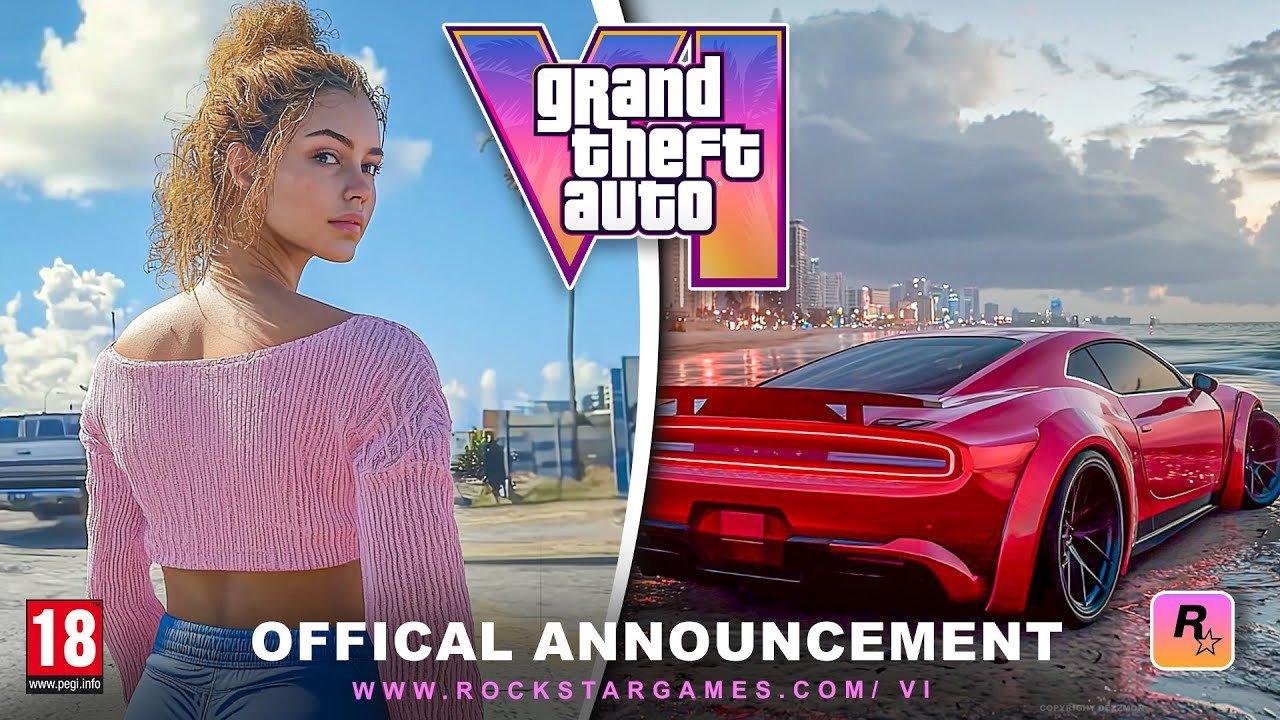
Grand Theft Auto VI is officially one of the biggest gaming launches of this decade, with Rockstar and Take‑Two targeting a global release on November 19, 2026 for PlayStation 5 and Xbox Series X/S. With such a massive open-world game, last‑minute preparation will likely lead to storage problems, performance issues, and missing out on day‑one excitement.
Instead, you can use the time before launch to upgrade your hardware, clean your digital library, plan your budget, and understand what to expect from GTA 6’s story, map, and online mode. This guide walks you through everything you should do before GTA 6 releases so you’re ready to play the moment it goes live.
GTA 6 Release Date, Platforms, and Countdown Basics
Official GTA 6 Release Window
Rockstar and Take‑Two currently list Grand Theft Auto VI for a November 19, 2026 launch, following earlier internal targets in 2025 and May 2026. Recent earnings reports from Take‑Two reaffirm confidence in that November date, with large‑scale marketing planned to begin in summer 2026.
For practical purposes, you can treat late 2026 as a solid GTA 6 release date window and plan your upgrades, savings, and time off around mid‑to‑late November.
Confirmed Platforms (So Far)
So far, GTA 6 is officially confirmed only for current‑gen consoles:
- PlayStation 5
- Xbox Series X/S
Take‑Two and Rockstar have not announced a PC release date yet, following their usual pattern of console‑first launches and later PC versions. There is also no indication that GTA 6 will arrive on PS4 or Xbox One.
What We Know About GTA 6 So Far
GTA 6 Trailer and Story Setup
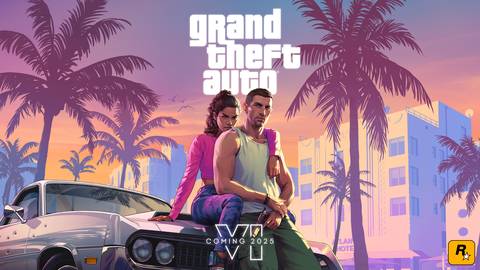
The first Grand Theft Auto VI trailer confirmed a return to Vice City, Rockstar’s version of Miami, featuring modern social‑media‑inspired chaos, high‑speed chases, and a bright, neon‑soaked open world. The core story appears to follow two protagonists, Jason and Lucia, caught up in crime, conspiracy, and survival across the fictional state of Leonida.
This dual‑protagonist setup, combined with a huge map and dynamic world, suggests a story closer to GTA V’s scope but with more modern storytelling and character depth.
Map: Vice City and Beyond
Official material and trailers show:
- A modern Vice City inspired by Miami
- Urban areas, beaches, highways, swamps, and rural regions across Leonida
- Dense crowds, realistic traffic, and highly detailed environments
Expect a map larger and more dynamic than GTA 5’s Los Santos region, with more interiors, verticality, and environmental detail.
Gameplay, Graphics, and New Features
From the trailers and insider reports, GTA 6 is focusing heavily on:
- Next‑gen visuals with dense NPC behavior and advanced physics
- Highly detailed animations and crowd systems
- More immersive police chases and social‑media‑driven world events
Because Rockstar is building exclusively for PS5 and Xbox Series X/S, GTA 6 can push higher fidelity than cross‑gen titles, but you should expect demanding performance requirements even on consoles.
The Road to Leonida: GTA 6 Release Date and Latest Updates
As of March 2026, Rockstar Games and Take-Two Interactive have reaffirmed that the game is in the final stages of “polishing and perfecting.” Following a shift from the initial early-2026 window, the official GTA 6 release date is set for November 19, 2026.
The marketing machine is expected to kick into high gear this summer. This means we are likely only months away from a second major trailer and a deep dive into the dual-protagonist mechanics featuring Lucia and Jason. Current leaks suggest that while the console versions (PS5 and Xbox Series X|S) are the priority, the technical foundation of the game is pushing the boundaries of what modern hardware can achieve.
Why the November 2026 Date Matters
Historically, Rockstar favors late-year releases to capitalize on the holiday season. The November 19 date puts GTA 6 right in the middle of the “Black Friday” window, meaning hardware bundles and accessory sales will be at an all-time high. If you haven’t secured a current-gen console yet, that window will be your best—and perhaps most chaotic—opportunity.
Hardware Check: Best Console for GTA 6
If you are still holding onto a PlayStation 4 or Xbox One, it’s time to say goodbye. Rockstar has confirmed that GTA 6 is a next-gen exclusive. But which platform will offer the “definitive” experience?
PS5 vs. Xbox Series X Performance
Current technical breakdowns suggest that the game targets 30 FPS at 4K resolution on both the PlayStation 5 and Xbox Series X. Because of the heavy use of Ray-Traced Global Illumination (RTGI) to simulate the vibrant neon lights of Vice City, a 60 FPS “Performance Mode” is still a subject of intense debate among experts.
- PlayStation 5 Pro: With the recent introduction of PSSR (PlayStation Spectral Super Resolution), the PS5 Pro is currently the frontrunner for the best visual experience, offering cleaner edges and better ray-tracing stability.
- Xbox Series X: Remains a powerhouse for raw performance and may benefit from Quick Resume features, allowing you to jump back into Leonida instantly.
- Xbox Series S: While supported, expect significant compromises in resolution (likely sub-1080p) and the potential removal of some ray-tracing features to maintain a stable frame rate.
Preparing for the GTA 6 PC Release
In classic Rockstar fashion, the PC version of GTA 6 does not yet have an official release date. Based on the “Rockstar Gap” seen with GTA V and Red Dead Redemption 2, PC players should realistically expect a launch in late 2027 or early 2028.
However, if you are building a “GTA 6 Ready” rig today, you need to aim high. The massive scale of the Vice City map and the density of NPCs will be incredibly taxing on CPUs and VRAM.
Predicted GTA 6 System Requirements (2026 Estimates)
| Component | Minimum Requirements | Recommended (1440p/60FPS) |
| OS | Windows 11 | Windows 11 |
| CPU | Intel Core i7-8700K / Ryzen 7 3700X | Intel Core i9-12900K / Ryzen 9 7900X |
| GPU | RTX 3060 (8GB VRAM) | RTX 4080 / RX 7900 XTX (16GB+ VRAM) |
| RAM | 16GB Dual-Channel | 32GB DDR5 |
| Storage | 150GB+ NVMe SSD | 200GB+ Gen5 NVMe SSD |
Pro Tip: Do not even consider running this game on a mechanical Hard Disk Drive (HDD). The asset-streaming requirements for a map of this size necessitate a high-speed NVMe SSD to avoid “pop-in” textures and long loading screens.
Things to Do Before GTA 6 Comes Out
Preparation isn’t just about hardware; it’s about digital and financial readiness. Here is a checklist of what to do before the November 19 launch.
1. Audit Your Storage Space
Leaks indicate that GTA 6 could easily exceed 200GB after day-one patches and the initial installation.
- Console Users: Check if you need an internal M.2 SSD expansion for your PS5 or a Seagate/Western Digital Expansion Card for your Xbox.
- Digital Cleanout: Start identifying games you no longer play to make room for the massive Leonida file.
2. Monitor the Pre-Order Window
Recent backend updates in the PlayStation Store (Title IDs like PPSA01547_00) suggest that pre-orders could go live as early as Summer 2026.
- Expected Price: Base editions are likely to start at $69.99, but rumors of “Premium” or “Special” editions reaching $99.99 for early access or bonus GTA Online currency are common.
- Pre-order Bonuses: Historically, Rockstar offers in-game cash and cosmetic items. However, the real benefit of pre-ordering is the pre-load feature, allowing you to download the game days before the launch so you can play the second the clock strikes midnight.
3. Upgrade Your Display
GTA 6 is designed to be a visual showcase. If you are still playing on a 1080p monitor, you are missing half the experience. To truly appreciate the lighting of the Vice City sunset, look for:
- 4K Resolution: Non-negotiable for the level of detail Rockstar is targeting.
- HDR Support: Essential for the high-contrast neon environments of the Florida-inspired Leonida.
- VRR (Variable Refresh Rate): Helps smooth out any frame rate dips in crowded city areas.
Common GTA 6 Myths and Misconceptions
- Myth: The game is coming to PS4. * Reality: False. The hardware is simply too old to handle the game’s engine and NPC density.
- Myth: GTA 6 Online will be a separate purchase at launch. * Reality: While Rockstar may eventually release a standalone “Online” version (as they did with GTA V), the initial purchase will include both the story mode and the new online environment.
- Myth: The map is just Vice City. * Reality: The map is the state of Leonida, which includes Vice City but also features expansive wetlands (the Grasslands), surrounding keys, and smaller rural towns.
Expert Tips for Launch Day
- Physical vs. Digital: If you want to play at the exact second of release, go Digital. Physical copies depend on shipping times or midnight store openings.
- Internet Bandwidth: With a 200GB file size, ensure your internet plan hasn’t reached its data cap for the month. If possible, use a wired Ethernet connection for the initial download.
- Controller Maintenance: If your current controller has “stick drift,” replace it now. A precision-heavy game like GTA is frustrating with faulty hardware.
Conclusion: Are You Ready for 2026?
Preparing for the Grand Theft Auto VI release is a marathon, not a sprint. By securing the right hardware, clearing your storage, and staying informed on the November 19 release window, you ensure that your first trip back to Vice City is as smooth as possible. Rockstar is set to redefine the open-world genre once again—make sure you have the “keys to the city” ready.
Frequently Asked Questions (FAQ)
What is the official GTA 6 release date?
Rockstar Games has officially scheduled the release of Grand Theft Auto VI for November 19, 2026.
Will GTA 6 be on PC on day one?
No. Historically, Rockstar releases the console versions first. The PC release is expected to follow 12 to 18 months after the initial console launch.
Can I play GTA 6 on Xbox Series S?
Yes, the Xbox Series S is a confirmed platform, though it will likely run at a lower resolution compared to the Series X and PS5.
How big will the GTA 6 map be?
The map, based on the state of Leonida, is rumored to be significantly larger than GTA V, featuring a modernized Vice City and diverse ecological zones like the Everglades.
What are the GTA 6 pre-order bonuses?
While not officially confirmed, typical Rockstar pre-order bonuses include in-game currency for GTA Online and exclusive cosmetic items for the story mode protagonists, Lucia and Jason.
Is GTA 6 going to be on Game Pass?
It is highly unlikely that GTA 6 will launch on Xbox Game Pass on day one, given the massive sales expectations for the title.
Leave a Reply
Related Post:
https://lyallpurgamezone.site/mastering-gta6how-to-choose-the-best-weapons
https://lyallpurgamezone.site/what-are-the-best-240hz-gaming-monitors-for-2026
https://lyallpurgamezone.site/what-are-the-best-strategies-for-exploring-gta-6-characters
https://lyallpurgamezone.site/how-to-analyze-gta-6-map-leaks-for-hidden-features
https://lyallpurgamezone.site/gta-6-release-date-trailer-price-map-and-everything-you-need-to-know

Introduction:
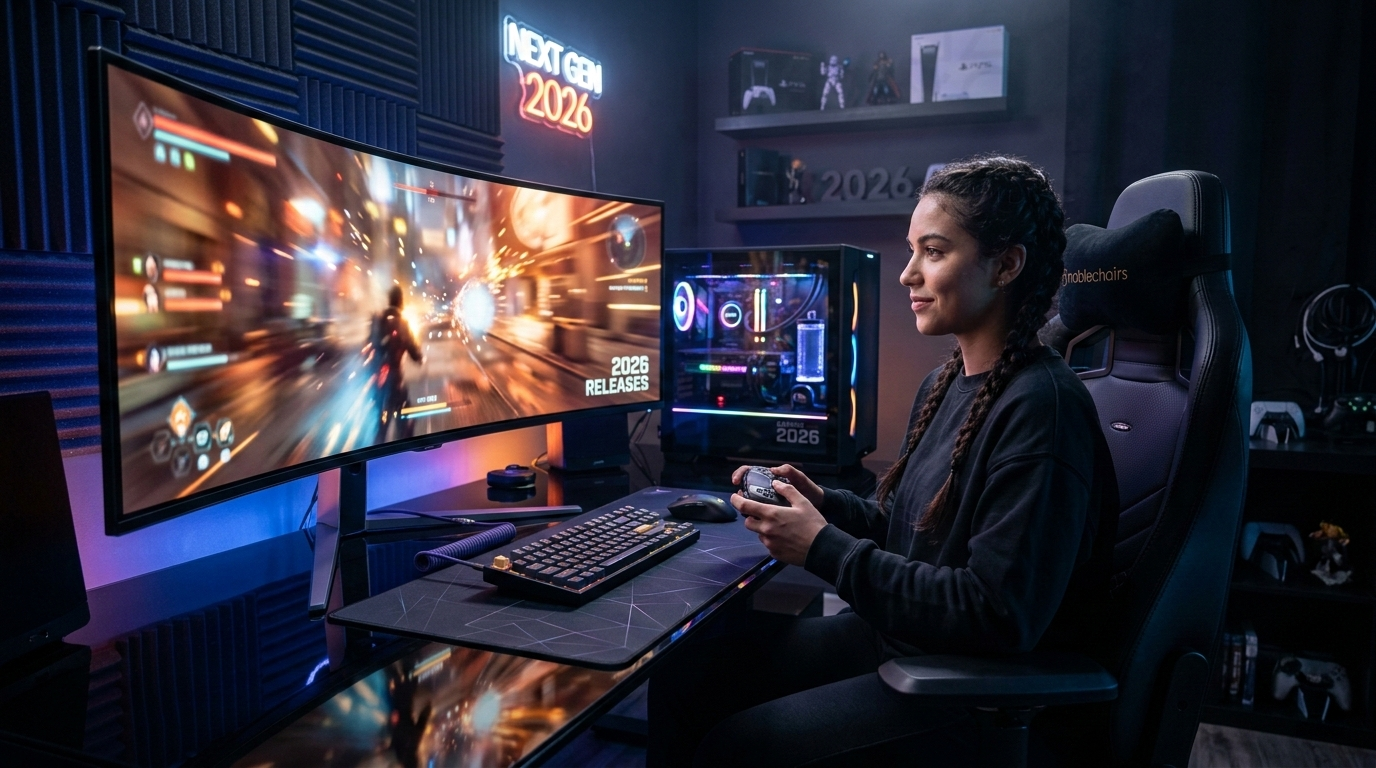
2026 is shaping up to be one of the biggest years in gaming history, with Grand Theft Auto VI, Resident Evil Requiem, Marvel Tokon: Fighting Souls, and many more next‑gen titles arriving across PC, PS5, Xbox Series X|S, and the next Nintendo hardware.
These games will demand more powerful hardware, faster storage, and smarter settings than most players are used to today.
If you wait until launch week to upgrade, you risk stock shortages, rushed buying decisions, and a poor first‑day experience.
This guide will show you exactly how to prepare your PC, console, internet, and overall gaming setup for the most anticipated games of 2026, including GTA 6 and other blockbuster releases.
The Most Anticipated Games of 2026 at a Glance
Big AAA Titles You Should Watch
While the exact lineup keeps evolving, several games are consistently highlighted by gaming sites and creators as must‑watch releases for 2026.
- Grand Theft Auto VI – Open‑world crime epic on PS5, Xbox Series X|S, and likely PC later.
- Resident Evil Requiem – The next mainline survival horror entry referenced in upcoming game lists.
- Marvel Tokon: Fighting Souls – Fighting/action title listed among notable 2026 releases on major schedules.
- New Tomb Raider (e.g., Legacy‑style project) – New adventures are regularly mentioned in anticipated‑games discussions.
- Other heavy hitters: new Halo campaign, Control follow‑up, Marvel projects, and major sports titles like WWE 2K26 and annual football games.
These sit alongside cult favorites and AA projects such as phantom‑style action games, Cthulhu‑inspired titles, and narrative adventures across PS5, Xbox Series X|S, PC, and Switch 2–class hardware.

Platforms Getting the Biggest 2026 Releases
Most major 2026 games target current‑gen hardware only.
- PS5 and PS5 Pro – Lead platforms for many cinematic AAA games, including GTA 6 and multiple Marvel titles.
- Xbox Series X|S – Strong multi‑platform coverage, including open‑world games and shooters listed in 2026 schedules.
- PC – Receives a large share of new IPs, strategy games, online titles, and most big AAA releases.
- Nintendo Switch 2–class systems – Host key exclusives and some cross‑platform titles like The Duskbloods and Yoshi and the Mysterious Book.
Knowing where each game lands helps you decide whether to upgrade your PC, your console, or both.
The 2026 Gaming Roadmap: What’s on the Horizon?
The year 2026 is shaping up to be one of the most dense periods for AAA releases in a decade. We are seeing a mix of long-awaited sequels and ambitious new IPs that take full advantage of mid-generation console refreshes and the latest GPU architectures.
The Heavy Hitters You Can’t Miss
- Grand Theft Auto VI (GTA 6): Scheduled for November 19, 2026, on PS5 and Xbox Series X/S. This is the undisputed titan of the year, promising a level of immersion in Vice City that will likely set the standard for the next decade.
- Resident Evil Requiem: Released on February 27, 2026. Capcom has hit a new high with this entry, utilizing the RE Engine to deliver photorealistic horror that has already surpassed 5 million units in sales.
- Crimson Desert: Arriving March 19, 2026. Pearl Abyss’s open-world epic has officially “gone gold,” meaning the development is finished and the polish is being applied for its debut on PC, PS5, and Xbox.
- Marvel Tōkon: Fighting Souls: Launching August 6, 2026. A 4v4 tag-team fighter from Arc System Works that blends anime-inspired visuals with the iconic Marvel roster.
- Tomb Raider: Legacy of Atlantis: A stunning Unreal Engine 5 reimagining of Lara Croft’s 1996 debut, bringing the “Scion” hunt to modern hardware.
How to Prepare Your Hardware for 2026’s Top AAA Games
If you haven’t upgraded your rig since 2022, 2026 might be the year you hit a performance wall. With the rise of NVIDIA DLSS 4.5 and the increasing reliance on DirectStorage technology, “minimum requirements” have shifted upward.
PC Requirements: The New Baseline
To play the best upcoming video games of 2026 at stable frame rates, your PC needs to meet these modern standards. 1080p is still the “mainstream” king, but 1440p has become the sweet spot for enthusiasts.
| Component | Minimum (1080p/30fps) | Recommended (1440p/60fps+) |
| CPU | Intel i5-12400 / Ryzen 5 5600 | Intel i7-13700K / Ryzen 7 7800X3D |
| GPU | RTX 3060 / RX 6600 | RTX 5070 / RX 9060 XT (16GB VRAM) |
| RAM | 16GB DDR4 | 32GB DDR5 |
| Storage | 512GB SSD | 2TB NVMe Gen4 SSD |
| OS | Windows 10 (64-bit) | Windows 11 (64-bit) |
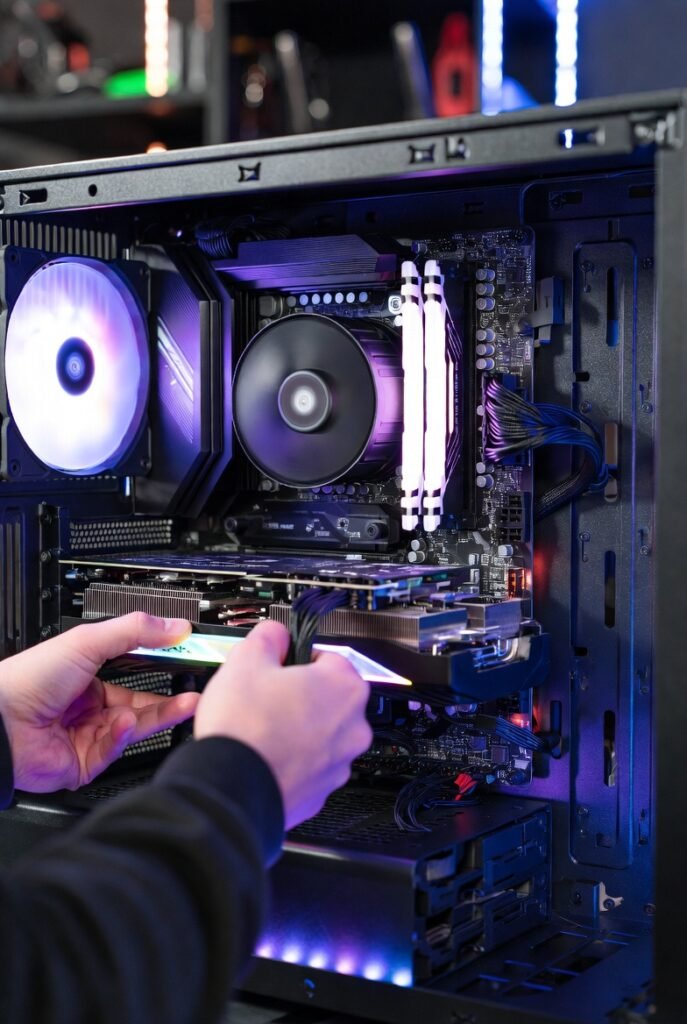
Why VRAM Matters More Than Ever
In 2026, 8GB of VRAM is becoming a bottleneck for AAA titles like Crimson Desert and GTA 6. High-resolution textures and complex lighting require more video memory. If you are looking to upgrade your PC for new games, aim for a card with at least 12GB to 16GB of VRAM to avoid stuttering in open-world environments.
Console Preparation: PS5, Xbox, and the “Switch 2”
For console players, the focus is less on “building” and more on “optimizing.” With GTA 6 launching as a console exclusive initially, the demand for the PlayStation 5 and Xbox Series X/S remains at an all-time high.
Storage Management
Modern games are massive. GTA 6 and Resident Evil Requiem can easily exceed 150GB each.
- M.2 SSD Upgrades: If you own a PS5, ensure you have installed a compatible M.2 NVMe SSD (Gen4) to expand your library.
- External Drives: Use external HDDs to store older “last-gen” games, keeping your internal high-speed SSD free for upcoming PS5 games 2026 and Xbox Series titles.
The “Switch 2” Factor
Rumors and early release calendars (like those for MIO: Memories in Orbit) point toward 2026 being the year of the “Switch 2” or Nintendo’s next-gen successor. Many titles are already being listed for “NS2.” If you are a Nintendo fan, start budgeting now for a hardware transition.
Expert Tips for a Smooth Launch Day
Preparing for biggest games releasing in 2026 isn’t just about the hardware; it’s about the “day one” experience.
- Pre-load is Your Friend: With game sizes reaching 150GB+, downloading on launch day is a recipe for frustration. Pre-load your games 48 hours in advance whenever possible.
- Update Your Drivers: For PC gamers, NVIDIA and AMD usually release “Game Ready” drivers specifically for titles like GTA 6 or Marvel Tōkon. Installing these can prevent day-one crashes.
- Check Your Internet Connection: Competitive titles like Call of Duty 2026 or Valorant updates require low latency. Consider a wired Ethernet connection over Wi-Fi for more stability.
- Clear Your Backlog: 2026 is going to be time-consuming. Try to finish your “must-play” 2025 titles before February so you can dive into Resident Evil and Crimson Desert without guilt.
Common Myths and Mistakes
Myth 1: “I need an i9 processor for gaming.”
Most games in 2026 still rely heavily on single-core performance. An i7 or even a high-end i5 (like the 14600K) is more than enough. Spend the extra money on a better GPU instead.
Myth 2: “Gaming on a 4K TV always looks better.”
Unless your hardware can push a native 4K signal at 60fps, you might experience input lag or blurriness from upscaling. Sometimes a high-refresh-rate 1440p monitor provides a much “crisper” and smoother feel for fast-paced games.
Myth 3: “External SSDs are just as fast as internal ones.”
While great for storage, external USB SSDs often cannot run current-gen (PS5/Xbox Series) games directly because they lack the necessary bandwidth. Always use the internal expansion slots for active games.
Advantages and Disadvantages of Day-One Gaming
| Advantages | Disadvantages |
| Avoid Spoilers: Be part of the conversation before the internet ruins the plot. | Day-One Bugs: Even AAA games like GTA can have launch-day glitches. |
| Community Hype: Experience the “new world” alongside millions of other players. | Server Overload: Multiplayer games often suffer from login queues on day one. |
| Pre-order Bonuses: Exclusive skins, early access, or digital soundtracks. | Premium Pricing: You pay the highest price point (often $70+) at launch. |
Conclusion: Are You Ready for 2026?
The upcoming games of 2026 represent a massive leap in digital entertainment. From the sun-soaked streets of Leonida in GTA 6 to the terrifying shadows of Resident Evil Requiem, the quality of play is reaching unprecedented heights.
To make the most of this “golden year” of gaming, focus on three pillars: Storage, VRAM, and Scheduling. Ensure your PC or console has the breathing room to house these behemoths, and don’t be afraid to tweak your settings. The “Ultra” preset is a luxury, but a stable 60fps is a necessity for true immersion.
Actionable Takeaway: Check your PC’s VRAM today. If you’re still on an 8GB card, start looking at mid-range 16GB options to ensure you aren’t left behind by the 2026 holiday season.
FAQ: Most Searched Questions About 2026 Games
1. When is the GTA 6 release date?
Grand Theft Auto VI is currently scheduled to be released on November 19, 2026, for PlayStation 5 and Xbox Series X/S. A PC version has not yet been officially dated but is expected later.
2. Can I play 2026 games on a PS4 or Xbox One?
Most major AAA releases in 2026, such as Crimson Desert and GTA 6, are “current-gen exclusive,” meaning they will not be available on PS4 or Xbox One. You will need a PS5, Xbox Series X/S, or a capable PC.
3. What is the best GPU for 2026 gaming?
For 1440p gaming, the RTX 5070 (or the previous gen RTX 4070 Ti Super) is considered the sweet spot. For those on a budget, an RX 7800 XT or RTX 4060 Ti (16GB version) provides excellent value.
4. Is Resident Evil Requiem a remake or a new game?
Resident Evil Requiem is a new, mainline entry in the franchise (often referred to as Resident Evil 9). It continues the series’ survival horror legacy with both first-person and third-person modes.
5. How much storage do I need for 2026 games?
Expect AAA games to range between 100GB and 200GB. A 2TB SSD is highly recommended for any serious gamer in 2026 to avoid constantly deleting and re-downloading titles.
6. Will there be a new Nintendo console in 2026?
While Nintendo has not made a formal announcement, multiple 2026 game listings (such as Animal Crossing: Switch 2 Edition) suggest that a successor to the Nintendo Switch will be active by early 2026.
Leave a Reply
Related Post:
Introduction: Why Smart Enemy AI Matters More Than Ever
Modern gamers are tired of bullet-sponge enemies that blindly rush forward. They want smart opponents that react, adapt, and force them to think with every move.
From stealth sandboxes to survival horror, advanced AI systems are now a core selling point—especially in 2026 as gaming AI technology becomes a key differentiator between average and truly memorable titles.
This guide breaks down 8 games with the smartest AI enemies ever made, explains what makes them special, and helps you pick your next challenge based on how you like enemies to behave.
What Makes “Smart” Enemy AI in Games?
Before we dive into the list, it helps to understand what separates basic AI from genuinely intelligent enemies.
Key Traits of Intelligent Enemy AI
Smart enemy AI typically shows:
- Environmental awareness – using cover, flanking routes, elevation, and sightlines.
- Adaptive behavior – changing tactics when you repeat the same strategy (like sniping or rushing).
- Team coordination – communicating, surrounding the player, and supporting each other in combat.
- Player-responsive difficulty – encounters that subtly scale based on how well you’re doing.
- Persistent memory or learning – enemies that “remember” how you play over time.
Games that combine several of these traits feel alive and unpredictable, which is exactly what this list focuses on.
Quick Comparison: 8 Games With the Smartest Enemy AI
| Game | Genre / Style | AI Strength | Type of “Smart” Behavior |
|---|
1. F.E.A.R. (First Encounter Assault Recon)
Even decades after its release, F.E.A.R. remains the gold standard for tactical AI. While many modern games rely on scripted events, F.E.A.R. uses a system called GOAP (Goal-Oriented Action Planning).
Instead of being told exactly where to go, the Replica soldiers are given a goal—like “Kill the Player”—and they decide the best way to achieve it based on the environment. They will suppress you with fire while a teammate flanks through a side door. If you throw a grenade, they don’t just run; they dive over railings or flip over tables for cover.
2. Alien: Isolation
If you want to experience a game with the smartest enemy AI, look no further than the Xenomorph in Alien: Isolation. This creature is famous for having “two brains.” One brain always knows roughly where you are to keep the tension high, while the “locomotor” brain controls the creature’s physical movements based on sight and sound.
The Xenomorph actually learns from your behavior. If you hide in lockers too often, it will start checking them. If you use the flamethrower to scare it off, it will become more cautious and wait for you to run out of fuel. It is a terrifying example of adaptive AI in video games.
3. The Last of Us Part II (and Part I Remake)
Naughty Dog redefined games with realistic enemy AI by introducing “human” elements to their combat. Enemies in The Last of Us Part II communicate with each other using names. If you kill a guard, their partner might scream in grief and become more aggressive or move to investigate the last known location.
They don’t just wander aimlessly; they use “pincer maneuvers” to trap you and whistle to communicate over long distances without alerting you to their specific plans. This level of coordination makes the stealth-action gameplay feel incredibly grounded and high-stakes.

4. Resident Evil Requiem (2026)
As one of the standout releases of 2026, Resident Evil Requiem showcases the latest evolution of the RE Engine. The AI in this title has been upgraded to handle “environmental persistence.”
Stalking enemies in Requiem no longer just follow a set path. They listen for the sound of your character’s heavy breathing when health is low and can even anticipate which door you are heading toward by analyzing your movement patterns. It’s one of the best examples of video games with advanced AI systems currently on the market.
5. Halo Infinite
The Halo series has always been a leader in tactical AI enemies, and Infinite took this further with the Banished. On higher difficulties, Grunts will flee when their leaders die, but Elites will tactically retreat to recharge their shields before engaging you again.
The AI utilizes the “sandbox” nature of the game, meaning they will hijack vehicles, use specialized grenades to disable your equipment, and react dynamically to your Grappleshot maneuvers.
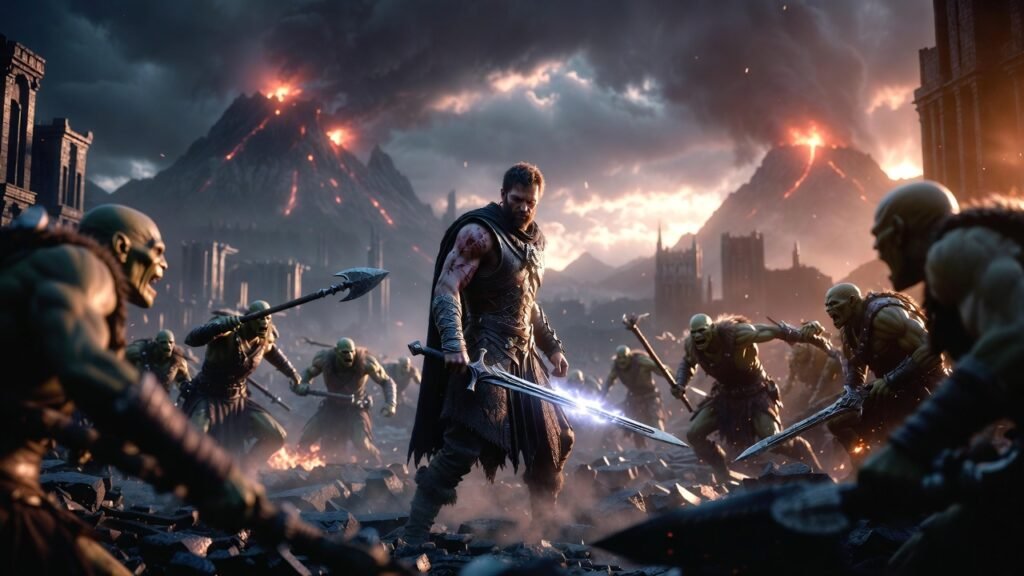
6. Middle-earth: Shadow of War
The “Nemesis System” is perhaps the most famous example of AI enemies that learn from players. In this game, an Orc who kills you doesn’t just disappear; he gets promoted, gains a title, and remembers exactly how he defeated you.
If you try to use fire against a captain who survived a previous burning, he might show up later with a metal mask and an immunity to fire. This creates a personal “water cooler” story for every player, as the AI creates its own narrative arc based on your failures and successes.
7. Metal Gear Solid V: The Phantom Pain
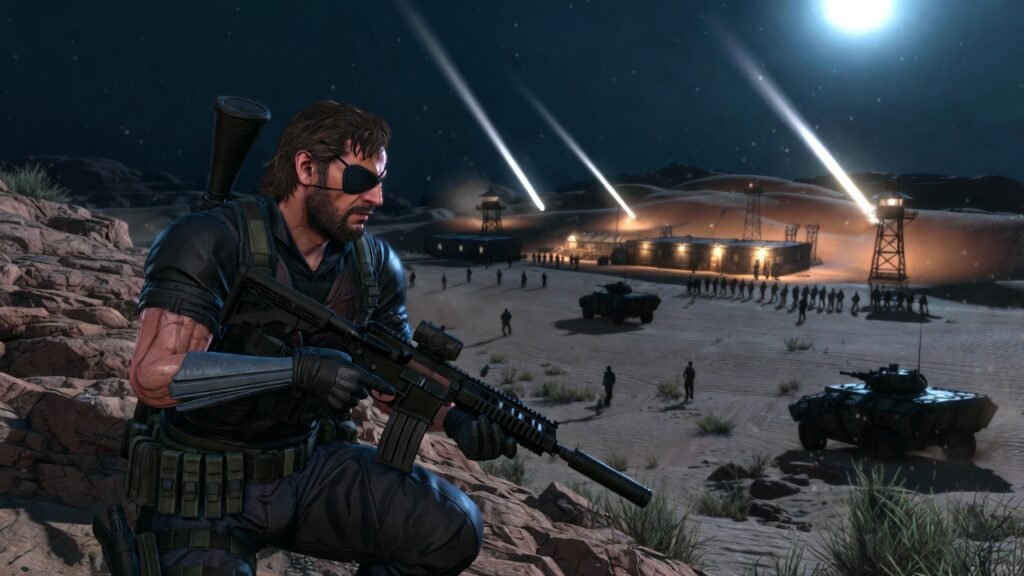
Hideo Kojima’s masterpiece features advanced AI in games that specifically counters your playstyle. If you consistently perform headshots at night, the enemy soldiers will start wearing helmets and installing searchlights around their bases.
If you frequently use smoke grenades, they will begin equipping gas masks. This forces the player to constantly switch their tactics, making it one of the most intelligent NPC games ever designed.
8. Echo
Though a smaller title, Echo features a concept that is the definition of adaptive AI. The palace you explore creates “clones” of you. These clones learn everything you do.
01:If you run, they learn to run. If you use your gun, they will start shooting back.
02:If you sneak through the water, they will begin to haunt the vents and shadows. You are essentially playing against your own past actions, creating a perfect loop of AI-driven gameplay.

Comparison of AI Technologies in Gaming
| Game | AI System Name/Type | Key Behavior |
| F.E.A.R. | GOAP (Goal-Oriented) | Team communication and flanking. |
| Alien: Isolation | Dual-Brain System | Learning player hiding patterns. |
| Shadow of War | Nemesis System | Remembering past encounters and evolving. |
| MGS V | Reactive Adaptation | Equipping gear to counter player habits. |
| Echo | Behavioral Mirroring | Enemies copy the player’s exact moves. |
Common AI Myths vs. Reality
- Myth: “Hard” AI is just cheating by knowing the player’s location.
- Reality: While some older games did this, modern smart enemy AI uses “sensory systems” (virtual sight and hearing cones) to simulate human limitations.
- Myth: AI is getting smarter every year.
- Reality: Sometimes developers actually “dumb down” AI because players find perfectly intelligent enemies frustrating and “unfair.”
- Myth: Scripted events are the same as AI.
- Reality: A script is a “If A happens, do B” command. True AI uses logic to solve problems dynamically.
Expert Tips for Playing Against Smart AI
- Break the Pattern: If the AI is adaptive (like in MGS V or Alien), stop using your favorite gadget for a while. The AI will eventually stop countering it.
- Use Sound as a Tool: In games like The Last of Us, throw a brick to lead enemies into a trap. Intelligent AI is more susceptible to distractions than “dumb” AI.
- Observe the Ranks: In Halo or F.E.A.R., kill the leaders first. Lower-tier enemies often lose their tactical bonuses when their commander is gone.

Conclusion
The evolution of video games with AI enemies has turned our favorite pastime into a sophisticated game of chess. From the tactical brilliance of F.E.A.R. to the terrifying adaptation of Resident Evil Requiem, these 8 games prove that the most dangerous enemy is the one that can think.
As we move further into 2026, the line between human and machine behavior in gaming will only continue to blur. For now, these titles represent the peak of digital intelligence.
Read More:
2026 Updated
best gaming laptop for GTA 6
Xbox Cloud Gaming vs PS Cloud
Valorant 2026 pro settings guide
top VR headset 2026 review
GTA 6 how to unlock features
competitive FPS settings US gamers
FAQ: Most Searched Questions About Game AI
What game has the most realistic AI?
The Last of Us Part II and Resident Evil Requiem are currently considered to have the most realistic AI due to their focus on human-like communication, emotional responses, and environmental awareness.
Which game has enemies that learn from you?
Alien: Isolation, Metal Gear Solid V, and Echo are the top choices. These games feature AI that monitors your tactics and adjusts its own gear or search patterns to counter you.
Is F.E.A.R. AI still the best?
In terms of tactical squad combat, many experts still consider F.E.A.R. the gold standard because its GOAP system creates incredibly unscripted and lifelike firefights that few modern games have matched.
How does the Nemesis System work?
The Nemesis System in the Middle-earth series creates a hierarchy of enemies. If an enemy survives a fight or kills the player, they are promoted, given new traits, and remember the specific details of that interaction for future encounters.
Do AI enemies cheat?
In some games, yes. However, high-quality advanced AI enemies are designed to work within the same constraints as the player (limited field of vision, hearing distance, etc.) to ensure the game remains fair.
🔥 2026 Trending Games
GTA 6 🔥🔥🔥
- Call of Duty 2026
- Fortnite Chapter updates
- Valorant new agents
- EA Sports FC updates
- Minecraft AI mods
- Roblox creator economy
Cloud Gaming
- Xbox Cloud Gaming
- NVIDIA GeForce NOW
- PlayStation Cloud
- “No Console Gaming” trend
Gaming Hardware & Accessories
- Gaming laptops (RTX 4070/4080)
- Gaming monitors (240Hz / OLED)
- Mechanical keyboards
- VR headsets
Game Development / AI in Gaming
- AI NPCs
- Unreal Engine 5
- Game mods using AI
- “How AI is changing gaming”
- Esports & Competitive Gaming
- Valorant / CS2 / Fortnite esports
- Tournament prize pools
- Pro player setup
- iOS games updates
- Gacha games
- Strategy games
Gaming Subscriptions & Services
- Xbox Game Pass
- PlayStation Plus
- Ubisoft+
Gaming Security
- Account hacking
- Anti-cheat systems
- Game ban appeals
Leave a Reply
Related Post:

How to Prepare for Grand Theft Auto 6 Release

How to Prepare for the Most Anticipated Games of 2026

8 Games with the Best AI Smart Enemies 2026

AI NPCs: The New Frontier in Game Design

Is Console Gaming Better Than PC Gaming in 2026?

Best Gaming Laptops For GTA 6 Buyer Ultimate 2026 Guide
-
 Entertainment4 weeks ago
AI NPCs: The New Frontier in Game Design
-
 Entertainment4 weeks ago
Is Console Gaming Better Than PC Gaming in 2026?
-
 Entertainment2 months ago
Best Gaming Laptops For GTA 6 Buyer Ultimate 2026 Guide
-

 Entertainment2 months ago
GTA 6 Release Date, Trailer, Price, Map and Everything You Need to Know
-

 Entertainment2 months ago
How to Choose Between Xbox Cloud Gaming and PS5 Plus
-

 Entertainment2 months ago
What Are the Best Strategies for Assassin’s Creed Shadows?
-
 Gaming2 months ago
ARC Raiders Early Access New Gameplay Official Release Date
-

 Business2 months ago
👉 AI in Europe: Powerful Benefits and Hidden Risks
Leave a Reply