
News
Iran Protests in Spotlight as Academic Flags Interference

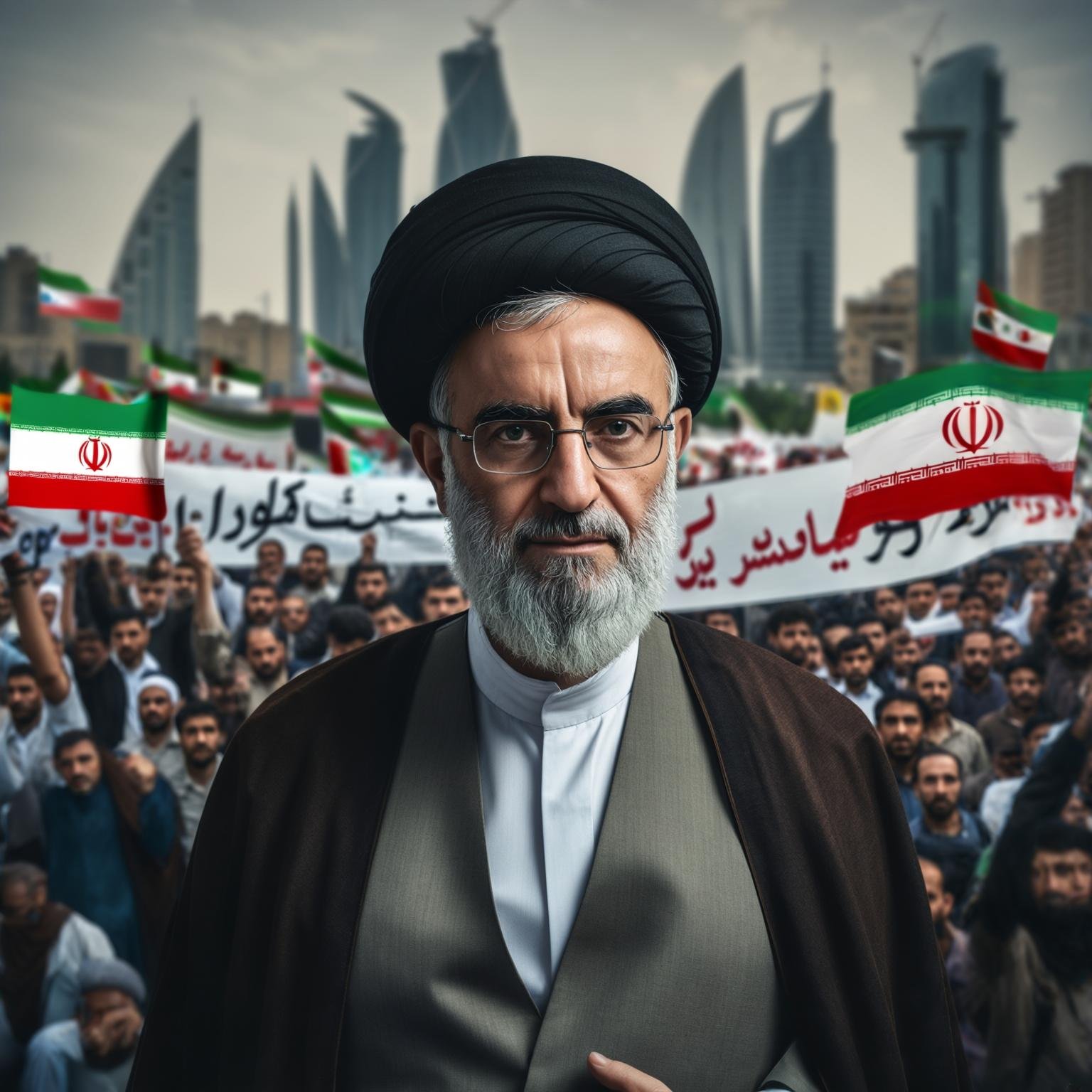
Introduction:
An Iranian academic’s warning on external influences in protests sparks debate. Explore the analysis of foreign intervention, its impact on grassroots movements, and the fight for authentic change.
The landscape of social and political protest is rarely simple. Within Iran, a nation with a complex history of internal reform and external pressure, domestic movements often unfold under an international spotlight. Recently, a warning issued by an Iranian academic has fueled a critical discussion: the potential for external forces to influence, co-opt, or even harm authentic grassroots protests.
This isn’t just an academic debate; it’s a live wire with real-world consequences. When citizens gather to voice grievances—be they about economic hardship, social freedoms, or political representation—their pure intentions can become entangled in larger geopolitical games. The fear, as voiced by scholars within Iran, is that foreign state actors might exploit domestic unrest to further their own agendas, potentially derailing a movement’s original goals and exposing participants to greater risk.
Understanding this dynamic is crucial. It requires peeling back layers to distinguish between organic, homegrown dissent and narratives shaped from outside. This analysis isn’t about dismissing legitimate protest but about safeguarding its integrity. It explores how external intervention can weaponize dissent, turning a fight for justice into a proxy conflict that ultimately leaves the very people it claims to help more vulnerable.

Understanding the Core Argument: When External Forces Engage
The central thesis presented by analysts like the Iranian academic is that external influences can fundamentally alter the nature of a protest movement. These influences are not always overt; they can be subtle, shaping perceptions and strategies from afar.
The Mechanisms of External Influence
External actors can engage with domestic protests through several channels:
- Media Narratives: International media coverage, while vital for awareness, can sometimes frame protests through a reductive lens that aligns with foreign policy objectives. This can amplify certain factions, ignore nuanced local contexts, and create a singular story that serves an external agenda.
- Digital Campaigns & Cyber Operations: Social media becomes a battleground. Hashtag campaigns, bot networks, and coordinated disinformation can inflame tensions, spread confusion, or create an illusion of broader support for extreme measures that most protesters do not endorse.
- Financial & Logistical Support: Covert funding to specific groups within a protest movement can shift its leadership and priorities. This support might empower factions whose goals align more with a foreign state’s desire for regime change than with the populace’s demand for incremental reform.
- Diplomatic & Rhetorical Backing: Strong, unconditional statements from foreign governments can be a double-edged sword. While they may embolden protesters, they also allow the domestic government to paint the entire movement as a foreign-directed conspiracy, justifying a harsher crackdown.
The Dual-Edged Sword: Advantages and Disadvantages of International Attention
Like most complex issues, international focus on domestic protests carries both potential benefits and significant dangers.
Potential Advantages (From a Protester Perspective):
- Global Awareness: Shines a light on human rights abuses and government crackdowns, creating potential diplomatic pressure.
- Moral Support: Can make local activists feel less isolated, knowing the world is watching.
- Resource Mobilization: Diaspora communities and international NGOs may be able to provide legitimate humanitarian or legal aid.
Significant Disadvantages and Risks:
- Loss of Agency: The movement’s authentic, homegrown voice can be drowned out by external narratives.
- Increased Repression: Governments often use the “foreign enemy” narrative to justify severe domestic suppression, labeling protesters as “agents” of a foreign power.
- Escalation of Violence: External calls for regime change or radical action can encourage splinter groups to adopt more violent tactics, sidelining peaceful demonstrators.
- Undermining Legitimacy: The genuine grievances of the people can be discredited globally if the movement is successfully portrayed as a foreign-engineered plot.
Common Myths and Misconceptions About Protest Influences
To navigate this topic clearly, we must dispel some common black-and-white thinking.
Myth 1: All international solidarity is external interference.
Reality: There is a vast difference between global civil society expressing support and a state actor running a coordinated influence operation. The former is solidarity; the latter is a potential national security threat to the sovereign state.
Myth 2: If external forces are involved, the protesters’ grievances are not real.
Reality: This is a classic fallacy used to discredit movements. The existence of external players does not negate the very real, often deeply felt, economic and social pains that drive people into the streets. The two can exist simultaneously.
Myth 3: External influence always helps the protest movement succeed.
Reality: History shows it often backfires. External involvement can fracture movements, alienate moderates, and provide the state with the perfect pretext for a brutal response, ultimately harming the cause.
Expert Tips for Discerning Authentic Movements from Shaped Narratives
As observers, journalists, or concerned global citizens, how can we critically assess the situation? Here are some analytical best practices:
- Listen to Primary Sources: Prioritize voices from within the protest movement—local journalists, academics, and citizen reporters on the ground. Their perspective is more valuable than distant geopolitical analysts.
- Analyze the Funding and Leadership: Follow the money and the voices. Who is emerging as the “leader” in international media? Are there ties to foreign-funded outlets or organizations with clear political agendas?
- Check for Consistent Grievances: Look at the protest signs, the chants, and the local reporting. Are the demands consistent over time, or do they suddenly shift to align perfectly with a foreign government’s policy statements?
- Beware of Sudden, Coordinated Online Trends: A hashtag exploding out of nowhere with identical, translated text across thousands of new accounts can be a sign of an information operation, not organic grassroots activity.
- Context is King: Understand the long history of intervention in the region. For countries like Iran, with a lived experience of foreign-backed coups (e.g., 1953), public sensitivity to external influence is exceptionally high and historically grounded.
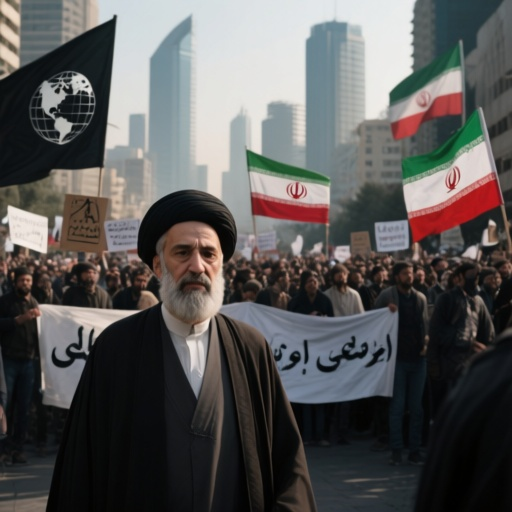
Conclusion: The Fight for Authentic Voice Amidst Geopolitical Noise
The warning from the Iranian academic is less a dismissal of protest and more a plea for discernment. It highlights the vulnerable position of grassroots movements caught between domestic repression and external manipulation. The real “fight” for protesters is often on two fronts: against the immediate grievances of their own government and against the potential hijacking of their cause by external powers whose end goal may not be the people’s welfare.
The path forward requires nuanced understanding. Supporting human rights and the universal desire for dignity does not require endorsing every narrative that surrounds a protest. True solidarity means listening to the complex, authentic voices from within and being wary of those who seek to simplify a struggle for their own gain. The ultimate goal must be to ensure that the call for change remains owned by those who risk everything to voice it, protected from influences that could ultimately do more harm than good.
Frequently Asked Questions (FAQ)
Q1: What did the Iranian academic specifically warn about?
A: The academic warned that ongoing domestic protests are vulnerable to being influenced, co-opted, or destabilized by foreign state actors. The concern is that external forces might use the protests to advance geopolitical agendas, which can distort the movement’s goals and justify harsher state crackdowns.
Q2: Is this warning just Iranian government propaganda?
A: While the Iranian government certainly promotes a narrative of foreign conspiracy, independent analysts and academics worldwide acknowledge that external influence in protests is a real geopolitical tactic. The validity of the warning should be assessed based on evidence and historical precedent, not dismissed solely based on its source.
Q3: How can external influence actually harm a protest movement?
A: It can harm a movement by providing the government with a pretext for severe repression, discrediting genuine grievances as “foreign-led,” escalating violence by empowering radical factions, and fracturing the movement by creating divisions over strategy and leadership tied to external interests.
Q4: Does talking about external influences mean ignoring government wrongdoing?
A: Absolutely not. This is a critical point. Analyzing potential external manipulation is a separate issue from holding a government accountable for its treatment of citizens. Both can be true at the same time: a government can be repressive and a protest movement can be subject to foreign influence operations.
Q5: What’s an example of external influence in past protests?
A: Historical examples are debated, but many analysts point to events like the 2011 Syrian protests, where what began as a broad-based Arab Spring movement became intensely militarized and a proxy war for multiple foreign powers, with devastating consequences for the Syrian people.








Introduction:
ARC Raiders early access release date news, PC system specs, and latest updates on this free-to-play PvPvE shooter from Embark Studios. Get the full details here.ARC Raiders continues to dominate the gaming industry with massive player counts, fresh PC updates, and exciting 2026 roadmap. Dive into latest news, gameplay tips, and why this extraction shooter is a must-play on PC.
The Long-Awaited Arrival of ARC Raiders
For years, the gaming community has watched the horizon for ARC Raiders. Announced with a stunning trailer that showcased a blend of cooperative survival and stylish sci-fi action, it immediately captured imaginations. Developed by Embark Studios—a team founded by former DICE veterans—the game promised a unique PvPvE (Player vs. Player vs. Environment) experience set in a post-apocalyptic world overrun by robotic threats.
Then, it went quiet. Delays and strategic shifts left fans wondering about its fate. Now, with fresh momentum and a clearer vision, ARC Raiders is back in the spotlight, targeting a 2024 early access release. This isn’t just another looter-shooter; it’s a tactical, squad-based survival game where players, known as Raiders, must band together to fight the relentless ARC machines while contending with other human squads.
If you’re hungry for the latest gaming industry news on this standout title, you’ve come to the right place. This article compiles every confirmed detail, analyzes the gameplay shifts, and provides a clear picture of what to expect when ARC Raiders finally drops on PC.
What is ARC Raiders? The Core Gameplay Explained
Initially revealed as a purely cooperative PvE experience, ARC Raiders has evolved. Embark Studios listened to feedback and market trends, reshaping the project into a more dynamic and replayable format. The core identity remains: you are a Raider in a world shattered by a mysterious alien robotic force called ARC.
The gameplay loop is designed for tension and strategy. You’ll drop into a session with your squad, tasked with completing objectives, gathering precious resources, and ultimately calling for an extraction. The catch? The map is crawling with deadly ARC machines of all sizes, from small scouts to colossal bosses. Furthermore, other player squads are pursuing the same goals, creating a volatile triangle of conflict: you vs. the environment vs. other players.
Key Gameplay Pillars
- PvPvE Survival: The environment is your constant adversary. ARC machines patrol with relentless AI, forcing you to choose between stealth, aggressive assaults, or using them to your advantage against rival Raiders.
- Squad-Based Tactics: Success hinges on teamwork. Classes and roles will be crucial, combining firepower, support abilities, and strategic gadgets.
- Loot & Progression: Scavenging materials and technology from the world and fallen enemies is vital. This fuels your persistent progression, unlocking new weapons, gear, and customization options for your Raider.
- Dynamic Extraction: Like the genre’s pioneers, securing your loot means surviving until an extraction ship arrives—a moment that typically becomes a chaotic focal point for all remaining players and AI.
In the fast-paced world of PC gaming, few titles have captured attention like ARC Raiders. Launched in late October 2025 by Embark Studios, this third-person extraction shooter has shattered records, pulling in over 400,000 concurrent players on Steam alone and totaling millions across platforms. Players scavenge a robot-ravaged Earth, battling machines and rival Raiders in tense PvPvE matches, and recent patches like 1.11.0 are keeping the momentum alive.
What sets ARC Raiders apart? Its blend of strategic depth, immersive worlds, and post-launch support has turned it into a phenomenon. As we hit January 2026, expect more dominance with big plans ahead.
https://dailytimes.com.pk/1413927/arc-raiders-dominates-google-searches-2025
What is ARC Raiders?
ARC Raiders drops players into a dystopian future where mysterious ARC machines have overrun the surface. From the safety of underground Speranza, you gear up for 30-minute raids, looting resources while dodging robots and other players.
Gameplay revolves around risk-reward extraction: grab loot, craft upgrades, and extract via elevators, metros, or key-locked hatches. Die, and you lose everything except safe-pocket items—heightening every decision.
Solo, duos, or trios work seamlessly, with matchmaking favoring fair fights. Tight gunplay, movement tech like ziplines and mantling, and smart AI create emergent moments that feel alive.
Why ARC Raiders Dominates the Gaming Industry
Since launch, ARC Raiders has redefined success for indie multiplayer titles. It peaked at nearly 500,000 concurrent Steam players, sold over 12 million copies, and drew 3.2 million across platforms.
Critics praise its immersion: rich environments, meaningful choices, and constraints like small stashes that amp tension without frustration. It won Best Multiplayer Game at The Game Awards 2025 and topped shooter polls.
Unlike many live-service games that fade post-hype, ARC Raiders sustains buzz through player-valued updates—proving smaller studios can disrupt giants.
Massive Player Counts and Sales
| Platform | Peak Concurrent Players | Total Sales/Players |
|---|---|---|
| Steam | 481,966 | 12M+ copies |
| All PC | 482,000+ | N/A |
| Consoles | 2.5M+ | 3.2M peak |
| Total | 3.2M | N/A |
These numbers exclude free-to-play boosts, highlighting premium appeal at $40.
Core Gameplay Mechanics Explained
Raids start in your Speranza workshop: craft weapons, gadgets, and armor using scavenged mats. Five ammo types (Light, Heavy, Energy, Special) demand smart loadouts.
On the surface, loot tiers from junk to blueprints like Hullcracker or Jupiter, which excel against ARC bots via armor pen. PvP favors gadgets—grapples, smokes, noisemakers—over raw aim, with rechargeable shields enabling escapes.
Progression ties to traders, skill trees, and quests for XP, rep, and unlocks. Free loadouts let casuals jump in risk-free.
Key Features
Extraction Variety: Risky elevators vs. safe hatches; downed players can still crawl out.
PvPvE Balance: Robots add chaos; ally temporarily via defibrillators.
Movement Mastery: Zipline tricks, slide-cancel, negative fall damage for mobility.
Latest Updates & Release News for 2024
After a period of radio silence, Embark Studios re-energized the community with concrete plans. Here’s the most current information straight from the developers.
Confirmed Early Access & Full Launch Strategy
Embark has confirmed a 2024 release window for ARC Raiders on PC via Steam and the Epic Games Store. The launch will follow a phased approach:
- Closed Beta Tests: Selective, invite-only testing phases have already begun, focusing on server stability, core gameplay, and balance.
- Early Access: This will be the game’s first public release. It will be a free-to-play title, allowing a massive player base to jump in, provide feedback, and shape the game’s development.
- Full Launch: Following the Early Access period, the game will receive its official “1.0” launch, often accompanied by a major content update, seasonal structure, and expanded features.
Major Gameplay Pivot: From PvE to PvPvE
This is the most significant update. The initial 2019 reveal showcased a beautiful, cinematic PvE experience. The refined vision for 2024 integrates PvP, placing ARC Raiders squarely in the emerging extraction shooter genre, drawing comparisons to titles like Escape from Tarkov or Hunt: Showdown, but with a more accessible, sci-fi coat.
Why the change? According to the developers, integrating player conflict creates inherently unpredictable, memorable moments and vastly extends the game’s long-term replayability. The AI ARC remain a central, formidable threat, but human unpredictability adds the final layer of challenge.
ARC Raiders: PC System Requirements and Specifications
While official minimum and recommended specs are pending final optimization, we can make educated predictions based on the game’s engine (Unreal Engine) and visual fidelity shown in trailers. Expect requirements in line with modern, AAA-free-to-play shooters.
| Component | Predicted Minimum Requirements | Predicted Recommended Specs |
|---|---|---|
| OS | Windows 10 64-bit | Windows 10/11 64-bit |
| Processor | Intel Core i5-6600K / AMD Ryzen 5 1600 | Intel Core i7-9700K / AMD Ryzen 7 3700X |
| Memory | 12 GB RAM | 16 GB RAM |
| Graphics | NVIDIA GTX 1060 6GB / AMD RX 580 8GB | NVIDIA RTX 2070 / AMD RX 5700 XT |
| DirectX | Version 12 | Version 12 |
| Storage | 40-50 GB available space (SSD recommended) | 40-50 GB available space (SSD required) |
Note: An SSD will be highly recommended, if not required, for fast asset loading in its large, open maps.
Advantages and Potential Challenges of the ARC Raiders Model
Every game design choice comes with trade-offs. Here’s a balanced look at what Embark Studios’ vision for ARC Raiders gets right and where challenges may arise.
Advantages
- High Replayability: The PvPvE extraction format ensures no two matches are alike. AI behavior, player encounters, and loot spawns create endless emergent stories.
- Strategic Depth: The blend of combatants forces meaningful choices. Do you attack that rival squad now, or let them soften up the ARC patrol for you?
- Free-to-Play Accessibility: Removing the price barrier allows for a large, healthy player base from day one, which is critical for matchmaking and community vitality.
- Strong Visual & Audio Identity: From early footage, the art direction, sound design, and fluid movement mechanics look polished and distinctive.
Latest PC Updates and News (January 2026)
Patch 1.11.0 hit January 13, nerfing overpowered Trigger Nade and fixing bugs across PC, PS5, Xbox. A hotfix tackled dev console exploits, smoothing PC performance.
Recent hotfixes addressed SteamDB changes and crashes; servers stay packed despite holidays. Devs teased 2026 roadmap—no full reveal yet, but expect post-Flickering Flames phase with private servers and trials rotations.
Weekly trials rotate Bastion content, with award wins fueling hype. Trailers hint at new maps, but watch SteamDB for clues.
Advantages and Disadvantages
ARC Raiders shines in accessibility and depth, but isn’t perfect.
Pros:
- Streamlined for jobs: short raids, quick re-queue.
- Emergent PvPvE thrills; quality-of-life like blueprint sharing.
- Robust post-launch: maps, events, QoL.
Cons:
- Loot loss frustrates newcomers (mitigated by free loadouts).
- Occasional PC hitches pre-hotfix.
- Time-to-kill can drag in chases.
Comparison: ARC Raiders vs. Other Extraction Shooters
ARC Raiders edges out with PvE immersion and casual-friendly systems.
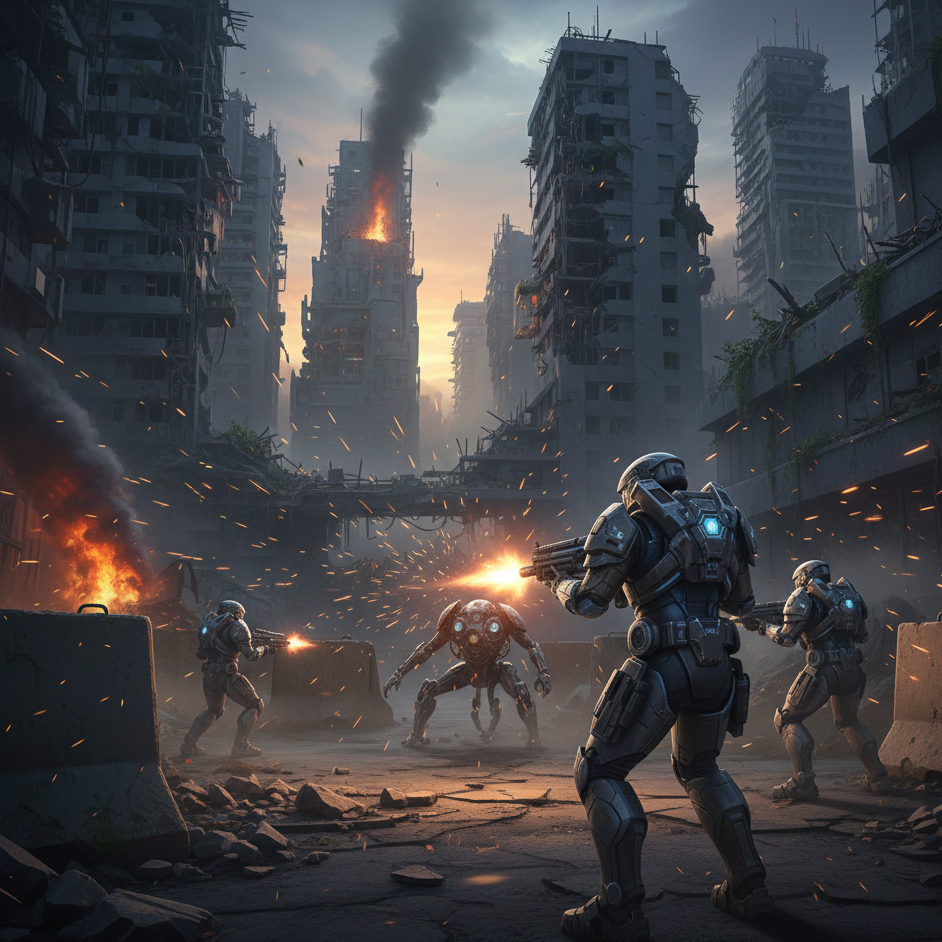
Common Mistakes and Myths Busted
Newbies often third-party poorly, igniting fights without escape plans—use “Fight Flow”: cover, assess, bail if no edge in 15s.
Myth: Guns > gadgets. Reality: Utility wins; skip quests? Grind slows. Hoard junk? Prioritize tech/mods early.
Don’t ignore comms—party chat over proximity; walk silently for stealth. Downed? Crawl/ping instead of bleeding out.
Expert Tips and Best Practices
Master these to raid like a pro:
- Loot Smart: Farm Spaceport; target Leaper engines, Rocketeer weak spots.
- Movement Tech: Zipline mantles, slide into bushes, slow-walk for silence.
- Loadouts: Snap hooks for extracts; EMPs vs. bots, smokes for PvP.
- Squad Play: Share blueprints; ping relentlessly; align raids with quests.
- Settings: Green-max crosshair; party chat always.
PC Specs Check: Min GTX 1050 Ti/12GB RAM; Rec RTX 2070/16GB.
Real-world example: Top players hit trials highs by door-breaching fast for blueprints, extracting before third-parties.
Potential Challenges
- Genre Competition: The extraction shooter space is becoming crowded. ARC Raiders must differentiate itself clearly to retain players.
- Free-to-Play Monetization: The community will scrutinize the monetization model. Cosmetic-only purchases are the expected and accepted norm; pay-to-win mechanics would be disastrous.
- Balancing Act: Harmonizing PvE and PvP difficulty is notoriously tricky. The ARC robots need to be threatening without feeling unfair, and player-versus-player combat must feel skill-based.
Common Myths and Misconceptions About ARC Raiders
Let’s clear the air on some recurring fan theories and concerns.
- Myth: “It’s just a Destiny clone.”
Reality: While both are sci-fi shooters, the core loops are fundamentally different. Destiny is a loot-driven, activity-based RPG shooter. ARC Raiders is a session-based survival extraction game where loss has consequence. - Myth: “The PvE focus is completely gone.”
Reality: This is false. The PvE element is absolutely central. The ARC are the primary world threat and a key source of conflict and resources. PvP is an added layer, not a replacement. - Myth: “Delays mean the game is in trouble.”
Reality: In today’s development landscape, especially post-2020, delays are often a sign of a studio protecting its vision and ensuring quality. The pivot to PvPvE likely required substantial retooling, which takes time. - Myth: “It will be a pay-to-win game.”
Reality: Embark Studios, under the Nexon umbrella, has not announced monetization details. However, industry trends and community standards strongly lean toward a battle pass and cosmetic shop model for successful, long-lived shooters.
Expert Tips for Dominating as a Raider
Based on analysis of gameplay reveals and genre expertise, here’s how you can prepare to thrive in ARC Raiders.
Prioritize Extraction: Greed is the number one cause of failure in extraction games. Set a goal for each session, and when you’ve hit it, make a disciplined move to extract. A successful exit with moderate loot is better than dying with legendary gear.
Master the Environment: Use verticality and cover. The trailers show extensive climbing and swinging. Outmaneuver both bots and players by taking the high ground.
Communication is Key: Use pings and voice chat. Calling out enemy positions (both AI and human), coordinating attacks on large ARC units, and planning extraction routes will separate successful squads from the rest.
Choose Your Fights: You don’t have to engage every enemy. Sometimes, letting two rival squads fight an ARC boss and then scavenging the leftovers is the smartest tactical play.
Learn the ARC: Different robotic enemies will have weak points and behavior patterns. Studying these will make PvE encounters more manageable, preserving your resources for PvP clashes.
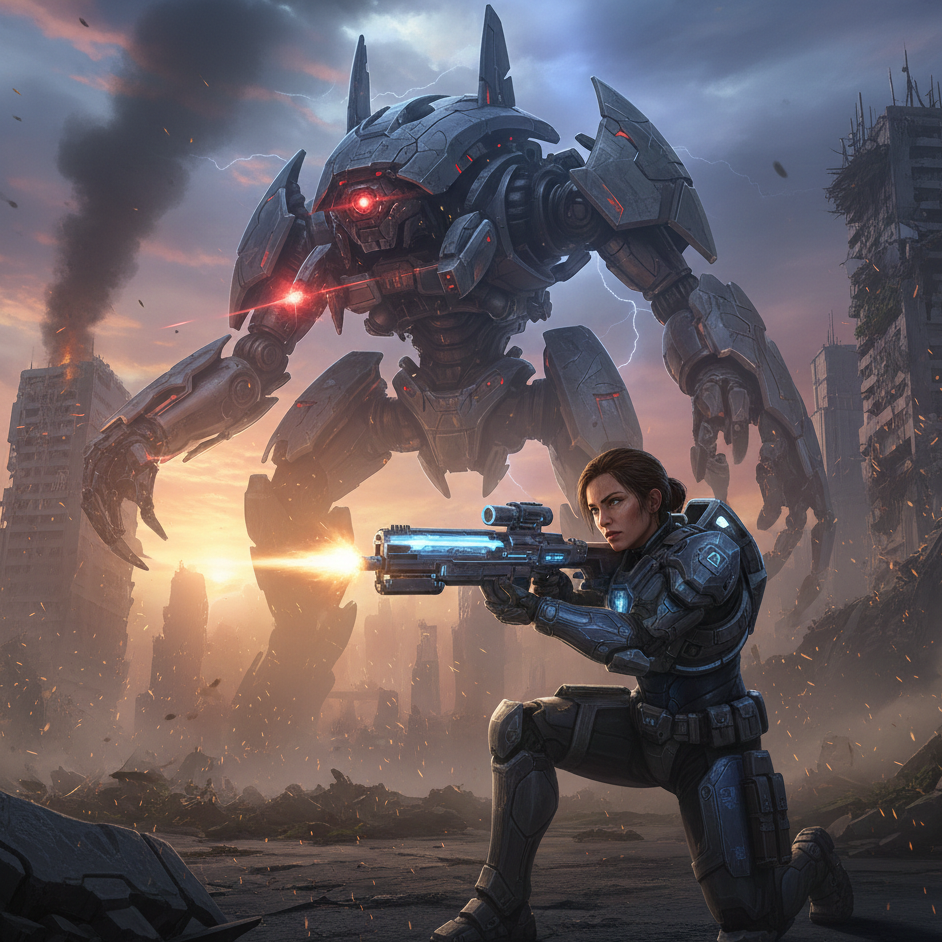
Conclusion: Is ARC Raiders the Next Big Shooter?
ARC Raiders stands at a fascinating crossroads. It combines the team-based appeal of hero shooters, the tension of survival games, and the strategic depth of the extraction genre, all wrapped in a stunning, original sci-fi package. The move to a free-to-play PvPvE model is a bold bet that recognizes the need for sustainable, player-driven content.
For PC gamers, 2024 is shaping up to be an exciting year. If Embark Studios can nail the balance, deliver fair monetization, and support the game with robust post-launch content, ARC Raiders has all the ingredients to dominate conversations and leaderboards. Keep your eyes on the official channels for the exact early access date—your squad will soon be needed on the frontline.
ARC Raiders’ grip on the gaming industry stems from polished PvPvE, record players, and committed updates—solid proof smaller teams can lead. With January 2026 patches stabilizing PC and 2026 teases looming, now’s prime time to dive in.
Actionable takeaway: Download free loadouts, hit a beginner raid on Stella Montis, and focus utility over greed. Extract smarter, dominate longer.
Actionable Takeaway: Wishlist ARC Raiders on Steam or the Epic Games Store now. This ensures you’re notified the moment Early Access begins and helps signal your interest to the developers. Join the official Discord server to stay on top of beta opportunities and the latest community updates.
FAQ Section: Your ARC Raiders Questions Answered
Q1: What is the exact ARC Raiders release date for Early Access?
A: Embark Studios has confirmed a 2024 release window for Early Access. A specific day and month have not yet been announced. Follow their official social media channels for the date reveal.
Q2:What is the current player count for ARC Raiders on PC?
Q3: Will ARC Raiders be on PlayStation 5 or Xbox Series X/S?
A: The initial Early Access launch is for PC only (Steam & Epic Games Store). Console releases have not been officially announced but are a strong possibility for the future if the PC version is successful.
Q4: When is the next ARC Raiders update?
A:January 1.11.0 just dropped with balance fixes; more post-Flickering Flames, including private servers.
Q5: Is ARC Raiders completely free-to-play?
A: Yes, the developers have confirmed the game will be free-to-play upon its Early Access and full launch. Monetization will likely focus on cosmetic items and potentially a seasonal battle pass.
Q7:What are ARC Raiders system requirements for PC?
A: Minimum: i5-6600K/GTX 1050 Ti/12GB RAM. Recommended: i5-9600K/RTX 2070/16GB.
Q8: How do you extract in ARC Raiders?
Leave a Reply
Introduction:
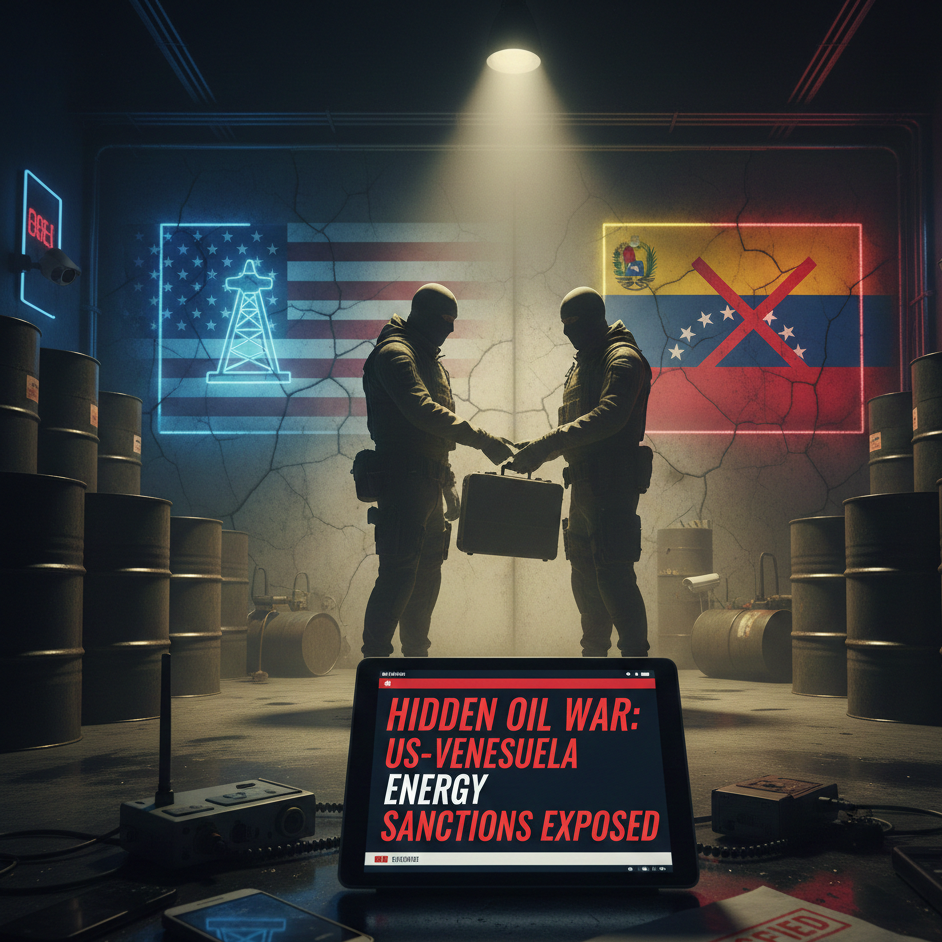
Explore the latest US-Venezuela clash: President Trump’s forces capture Maduro amid oil disputes. Why America targets Venezuela’s vast reserves, blockade details, and diplomatic shifts in 2026.
Analysis of the U.S.-Venezuela clash over oil and sanctions. Latest news on political tensions, economic interests, and the quest for regional influence explained.
The relationship between the United States and Venezuela has been a source of global headlines for over two decades, often characterized by intense diplomatic clashes, economic sanctions, and fiery rhetoric. At the heart of this protracted conflict lies a potent mix of ideology, geopolitics, and one of the world’s largest proven oil reserves.
Recent years have seen the situation evolve dramatically, with shifting U.S. administrations altering their tactics, from maximum pressure to temporary relief and back again. For the average observer, the news cycle can be confusing: talk of oil, claims of “capture,” and escalating tensions. This article cuts through the noise to provide a clear, authoritative breakdown of the core issues, the latest developments, and the underlying reasons for this enduring hemispheric clash.
Venezuela and the United States have plunged into one of the most dramatic geopolitical standoffs in recent history. In early January 2026, U.S. forces captured Venezuelan President Nicolás Maduro on longstanding U.S. indictments for narco-terrorism and drug trafficking, sparking global outrage and questions about oil control. This clash centers on Venezuela’s massive oil reserves—the world’s largest at around 300 billion barrels—and America’s push under President Trump to dominate them.
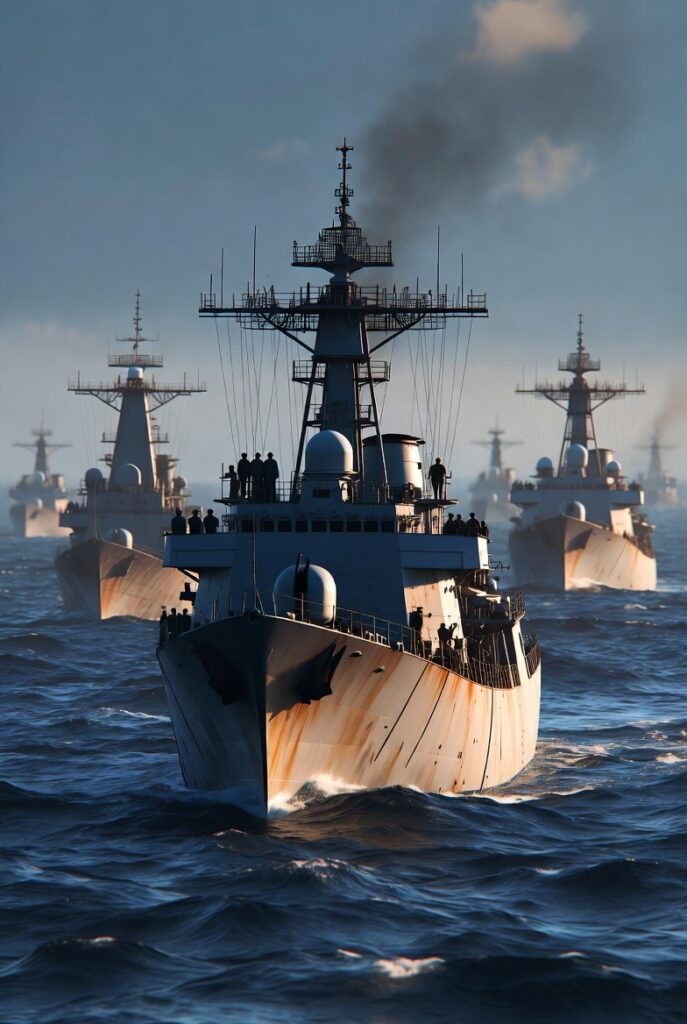
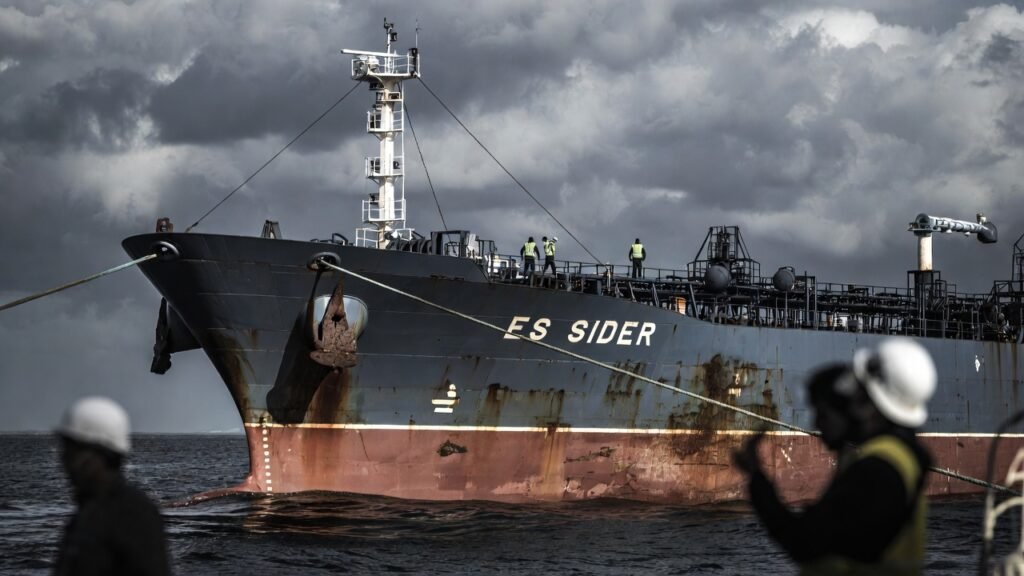
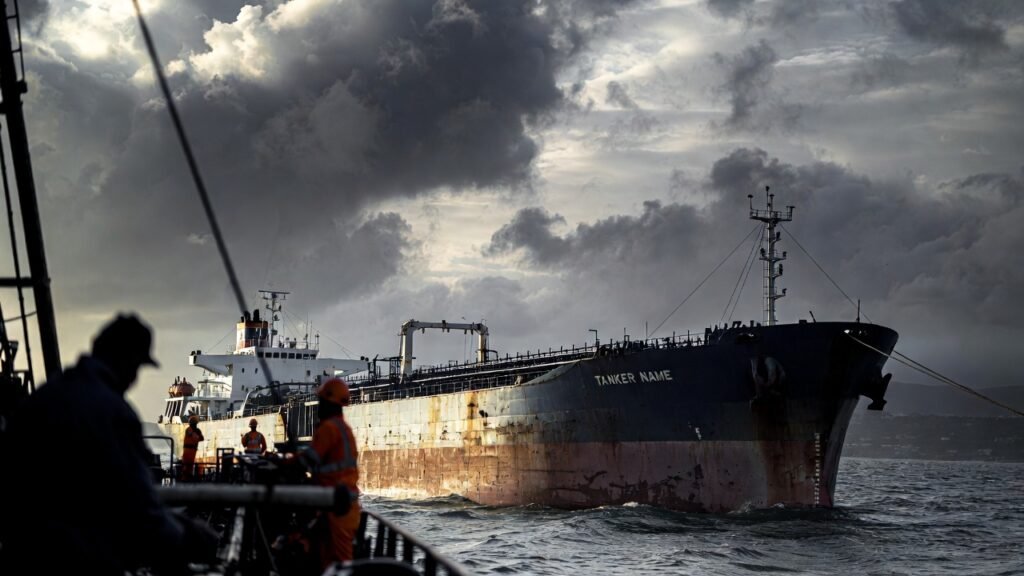
The operation, dubbed a “large-scale strike,” has led to a U.S. naval blockade, tanker seizures, and demands for Venezuela to cut ties with rivals like China and Russia. As interim leader Delcy Rodríguez navigates talks to restore diplomatic ties, tensions simmer over who controls the oil flow. This article breaks down the latest developments, root causes, and what lies ahead in the US-Venezuela oil fight.
The Core of the Conflict: A Story of Oil and Ideology
To understand the present, we must look at the past. Venezuela’s oil wealth has long been both a blessing and a curse. The turning point in U.S.-Venezuela relations came with the election of the late Hugo Chávez in 1999. His “Bolivarian Revolution” advocated for a socialist model, vehemently opposed U.S. foreign policy, and sought to use the nation’s oil revenue to fund social programs and challenge American influence in Latin America.
The U.S. viewed this as a destabilizing force, particularly as Chávez aligned himself with U.S. adversaries like Cuba, Iran, and Russia. The fundamental clash is twofold:
- Ideological Opposition: The U.S. government has consistently opposed the socialist model and the erosion of democratic institutions under both Chávez and his successor, Nicolás Maduro.
- Geostrategic Interest: Venezuela’s immense oil reserves represent a key strategic resource. U.S. policy has aimed to prevent this resource from bolstering rival global powers or funding what it views as a hostile regime.
Background of the US-Venezuela Clash
Relations between the U.S. and Venezuela soured long before 2026, rooted in ideological clashes and economic stakes. Hugo Chávez’s rise in 1999 shifted Venezuela toward socialism, nationalizing oil assets and alienating Western firms like ExxonMobil and ConocoPhillips. By 2019, U.S. sanctions under Trump aimed to oust Maduro, citing human rights abuses and election fraud.
Fast-forward to Trump’s 2025 reelection: He revived “maximum pressure,” escalating with military posturing in the Caribbean. Key triggers included Venezuela’s alliances with Iran, Russia, and China for oil deals, bypassing U.S. sanctions. In December 2025, Trump announced a blockade on sanctioned tankers, seizing several by early January.
Why Does America Care About Venezuelan Oil?
The interest is not about the U.S. needing to physically “take” or “catch” the oil. The U.S. is itself a top oil producer. The strategy is more nuanced:
- Market Stability: Venezuela is a member of OPEC. Its production levels influence global oil prices. Political instability there can cause price volatility, which impacts the American economy.
- Denying Adversaries: A primary U.S. goal has been to cut off the Maduro government’s primary source of income (oil revenue), crippling its ability to survive and to partner with nations like Russia and China.
- Sanctions as a Tool: By imposing sanctions on Venezuela’s state oil company PDVSA, the U.S. aims to force a political change—either through negotiations or regime collapse—towards a government it recognizes as legitimate.
Timeline of Key Events
- August 2025: CIA deploys units to track Maduro’s movements.
- December 2025: U.S. seizes Russian-flagged tankers aiding Venezuelan oil exports.
- January 3, 2026: Delta Force raids Maduro’s Caracas compound, capturing him and wife Cilia Flores; flown to U.S. custody.
- January 6-7: Trump claims Venezuela will hand over 30-50 million barrels of oil; demands exclusive U.S. partnerships.
- January 9: Exploratory diplomatic talks begin as U.S. envoys visit Caracas.
This sequence highlights how drug charges justified military action, per U.S. officials, though critics call it regime change disguised as law enforcement.
Latest News: Sanctions, Diplomacy, and the “Citgo 6” Case
The news landscape is fluid. Here are the key recent developments that clarify the current state of play:
- Sanctions Relief and Reimposition: In October 2023, the Biden administration, seeking to lower global oil prices and encourage democratic progress, granted limited sanctions relief. This allowed Venezuela to export oil to its chosen markets for six months, contingent on the Maduro government setting a clear election timeline and allowing opposition candidates to run. However, as the April 2024 deadline passed with Maduro’s government failing to meet key benchmarks, notably barring leading opposition figures from running, the U.S. allowed the license to expire. Key sanctions on Venezuela’s oil sector have been reinstated, though a separate license allowing Chevron to operate in Venezuela remains.
- The “Citgo 6” and Talks of a Prisoner Swap: A high-profile case involves six Citgo (a U.S.-based subsidiary of PDVSA) executives, often called the “Citgo 6.” They were arrested in Venezuela in 2017 on corruption charges, which their families and the U.S. government decry as unjust. There have been ongoing, behind-the-scenes discussions about a potential prisoner swap that could include these executives and detained Americans in exchange for a close ally of Maduro, Alex Saab, who was extradited to the U.S. on money laundering charges. This is likely the origin of phrases like “caught the president” or “president caught by America”—a misinterpretation of the legal case against Saab, a key Maduro financier.
- The 2024 Election and U.S. Stance: The upcoming Venezuelan presidential election in July 2024 is a focal point. The U.S. and much of the international community do not view the process as free or fair, given the disqualification of opposition frontrunner María Corina Machado and the harassment of her supporters. The reinstatement of oil sanctions is a direct response to this.
Why America Targets Venezuela’s Oil
Venezuela holds proven reserves of 299-300 billion barrels, about 18% of global totals, mostly heavy crude in the Orinoco Belt. Once a top U.S. supplier, production plummeted to 1% of world output by 2024 due to underinvestment, corruption, and sanctions.
President Trump views these reserves as leverage for U.S. energy security and payback for “stolen” assets from American companies. Post-capture, the administration seized oil revenues held in U.S. accounts via executive order, aiming to fund Venezuelan stability while reimbursing firms like Chevron. Trump met oil executives, pushing investments but facing skepticism—ExxonMobil called Venezuela “uninvestable” without reforms.
Additionally, the U.S. demands Venezuela ditch non-U.S. partners, prioritizing American firms for sales and production. This isn’t outright seizure but control: Revenues flow through U.S. channels, ensuring compliance.
Details of Maduro’s Capture by U.S. Forces
The raid on January 3 targeted Maduro’s fortified Caracas residence. Intelligence tracked even his pets; Delta Force breached at dawn amid explosions at nearby Fort Tiuna. Maduro, indicted in 2020 for narco-terrorism, surrendered without reaching a safe room.
He now faces trial in New York, with the U.S. framing it as enforcing justice, not invasion. Venezuelan officials decried it as illegal abduction, violating head-of-state immunity under international law. UN experts agree, calling the blockade and oil grabs unlawful.
Interim President Delcy Rodríguez, Maduro’s former VP, took over but faces U.S. ultimatums: Align or risk similar fate.
Advantages and Disadvantages of U.S. Strategy
The Trump administration’s approach yields mixed results.
Advantages:
- Secures oil access, potentially lowering U.S. energy costs via 30-50 million barrels initially.
- Disrupts drug routes and weakens adversaries like Russia/China in the hemisphere.
- Pressures reforms, promising aid from oil revenues for Venezuelans.
Disadvantages:
- Risks wider conflict; neighboring Colombia warned.
- Legal backlash: Seen as sovereignty breach, harming U.S. credibility.
- Economic hurdles: Venezuela’s infrastructure needs billions to revive output.
Common Myths and Mistakes in Coverage
Myth 1: U.S. “stole” all Venezuelan oil outright. Reality: It’s revenue control and sales oversight, not physical takeover.
Myth 2: Maduro lacked U.S. warrants. False—he faced 2020 indictments for drugs/arms.
Mistake: Ignoring diplomacy. Talks started January 9, signaling de-escalation. Media often overlooks Venezuela’s heavy crude challenges, which require U.S. tech.
Another error: Assuming instant production boom. Years of decay mean slow recovery.
U.S. Objectives in Venezuela: A Multifaceted Strategy
American policy is not monolithic and has shifted between administrations. However, consistent objectives include:
- Restoring Democratic Governance: The U.S. officially recognizes the 2015 National Assembly as Venezuela’s last democratically elected body and views Juan Guaidó’s interim government (2019-2022) as legitimate. The goal is to facilitate free and fair elections.
- Addressing the Humanitarian Crisis: The economic collapse in Venezuela has caused a regional migration crisis. U.S. policy aims to alleviate human suffering, often by channeling aid through non-governmental organizations.
- Countering Foreign Influence: Limiting the footprint of Russian military advisors, Iranian support, and Chinese economic leverage in Venezuela is a key strategic concern for Washington.
- Protecting U.S. Economic Interests: This involves defending the assets of U.S. companies and ensuring creditors can seek legal recourse for billions in defaulted Venezuelan debt.
Trump vs. Biden: A Comparison of Approaches
| Approach | Trump Administration (2017-2021) | Biden Administration (2021-Present) |
|---|---|---|
| Primary Strategy | “Maximum Pressure” | “Targeted Pressure with Conditional Engagement” |
| Key Actions | Severe sectoral sanctions on oil, gold; recognition of Juan Guaidó; legal actions against Maduro officials. | Limited sanctions relief tied to election roadmap; focus on dialogue in Mexico; pragmatic engagement on migration and oil. |
| Tone | Confrontational, direct threats. | Diplomatic, emphasizing multilateral coordination. |
| End Goal | Regime change. | Democratic transition through negotiated elections. |
Expert Tips for Understanding the Conflict
Follow reliable timelines to track escalations—avoid social media echo chambers. Differentiate oil reserves (300B barrels) from recoverable output (limited by tech).
For investors: Watch sanction tweaks; selective easing favors U.S. firms. Businesses in Latin America should monitor blockades affecting shipping.
Track UN/ICJ responses for legal shifts. Stay updated via State Department briefings amid fluid talks.
Common Misconceptions and Myths Debunked
- Myth 1: “The U.S. wants to invade Venezuela to steal its oil.” Reality: A military invasion is highly unlikely and not the policy of any recent administration. The cost and backlash would be enormous. Economic and diplomatic pressure are the preferred tools.
- Myth 2: “The U.S. already ‘caught’ President Maduro.” Reality: This is false. Nicolás Maduro remains in power in Venezuela. The confusion may stem from the U.S. indicting Maduro and several of his associates on narcoterrorism charges (2020) or the extradition of his associate Alex Saab. These are legal actions, not physical capture.
- Myth 3: “Lifting sanctions will immediately fix Venezuela’s economy.” Reality: While sanctions have significantly exacerbated the crisis, Venezuela’s economic problems are deeply rooted in years of mismanagement, corruption, and underinvestment in its oil infrastructure. Recovery would be a long-term process.
- Myth 4: “This is a simple left vs. right political fight.” Reality: It is more accurately a conflict over governance models, human rights, foreign alliances, and control of resources, framed within a historical context of U.S.-Latin American relations.
Expert Analysis: The Path Forward and Regional Implications
The stalemate continues. The Maduro government has proven resilient, surviving intense pressure by adapting, relying on allies, and consolidating control. The U.S. faces a dilemma: maximum pressure hurts the Venezuelan people and can solidify regime narratives of imperialism, while engagement risks legitimizing a government it considers authoritarian.
Best Practices for Understanding This Issue:
- Follow Primary Sources: Look for statements from the U.S. State Department, Venezuela’s foreign ministry, and reputable international bodies (UN, EU).
- Distinguish Legal from Political: Understand that U.S. court indictments are separate from executive branch policy.
- Monitor Oil Markets: Global oil prices and OPEC+ decisions often provide context for policy shifts.
- Consider the Human Cost: Always contextualize political maneuvers with the ongoing humanitarian and migration crisis affecting millions.
The future likely holds more of a grinding struggle than a dramatic resolution. Policy will continue to oscillate between pressure and limited diplomacy, heavily influenced by global oil prices, U.S. domestic politics, and the outcomes of elections in both countries.
Conclusion
The US-Venezuela clash marks a bold U.S. pivot, capturing Maduro to unlock oil riches while enforcing anti-drug and anti-rival agendas. Diplomatic glimmers offer hope, but blockades persist until demands met. Readers: Monitor oil markets and Caracas talks—stability hinges on balanced power-sharing.The clash between the United States and Venezuela is a complex, long-running drama fueled by oil, ideology, and power. It is not a story of one nation seeking to physically capture another’s resources, but rather a high-stakes geopolitical and economic struggle using sanctions, diplomacy, and legal instruments.
The latest news revolves around the reinstatement of oil sanctions following a failed electoral roadmap and ongoing discussions around prisoner swaps. As the 2024 elections in both Venezuela and the United States approach, the situation remains volatile. The core takeaway is that any resolution will require difficult compromises, and the Venezuelan people continue to bear the heaviest burden of this protracted conflict.
Q1: Did the U.S. arrest or capture Venezuela’s president, Nicolás Maduro?
A: No, Nicolás Maduro remains the de facto president in Venezuela. The U.S. has issued criminal indictments against him and offered a large reward for information leading to his capture, but he has not been arrested.
Q2: What is the “Citgo 6” case everyone is talking about?
A: The “Citgo 6” are six American oil executives (employees of Citgo, a PDVSA subsidiary) who have been detained in Venezuela since 2017. Their release is a major point of negotiation between the U.S. and Venezuela, potentially as part of a prisoner swap.
Q3:What happened in the latest US-Venezuela clash?
U.S. forces captured President Maduro on January 3, 2026, via a raid in Caracas, citing drug indictments; this escalated a blockade over oil.
Q4: How much oil does Venezuela have, and why does the US want it?
About 300 billion barrels in reserves—world’s largest; U.S. seeks access for energy security and company reimbursements.
Q5: Who does the U.S. government recognize as the legitimate leader of Venezuela?
A: This has shifted. In 2019, the U.S. recognized opposition leader Juan Guaidó as interim president. Following the dissolution of the interim government in late 2022, U.S. policy has focused more on supporting the democratic process rather than recognizing a specific individual, while still considering Maduro’s 2018 re-election illegitimate.

How to Prepare for Grand Theft Auto 6 Release

How to Prepare for the Most Anticipated Games of 2026

8 Games with the Best AI Smart Enemies 2026

AI NPCs: The New Frontier in Game Design

Is Console Gaming Better Than PC Gaming in 2026?

Best Gaming Laptops For GTA 6 Buyer Ultimate 2026 Guide
-
 Entertainment3 months ago
AI NPCs: The New Frontier in Game Design
-
 Entertainment3 months ago
Is Console Gaming Better Than PC Gaming in 2026?
-
 Entertainment3 months ago
Best Gaming Laptops For GTA 6 Buyer Ultimate 2026 Guide
-

 Entertainment3 months ago
GTA 6 Release Date, Trailer, Price, Map and Everything You Need to Know
-

 Entertainment3 months ago
How to Choose Between Xbox Cloud Gaming and PS5 Plus
-
 Entertainment4 months ago
What Are the Best Strategies for Assassin’s Creed Shadows?
-

 Business4 months ago
👉 AI in Europe: Powerful Benefits and Hidden Risks
-

 Entertainment2 months ago
What Are the Best 240Hz Gaming Monitors for 2026?
Leave a Reply