Business
How to Navigate Stocks vs Cryptocurrency Today


Introduction.
Executive Summary
Part 1: Understanding the Fundamental Paradigms
The Traditional Equity Market: Ownership and Cash Flow
The Cryptocurrency Ecosystem: Digital Scarcity and Decentralized Networks
Part 2: A Comparative Analysis (Data-Driven Perspective)
Part 3: The Game Changer: Institutional Adoption Enters Its Second Wave
Phase 1: The Hedge Fund & VC Experiment (Pre-2020)
Phase 2: The Macro & Corporate Treasury Onramp (2020-2022)
Phase 3: The Infrastructure & Regulatory Clarity Wave (2023-Present)
Part 4: Risks Re-evaluated in the Institutional Era
Part 5: Strategic Allocation Frameworks for the Modern Investor
Conclusion: Convergence, Not Just Competition












Introduction: Do You Really Need a Gen5 Gaming SSD?
Modern games like GTA 6, Call of Duty 2026, Fortnite, Valorant, and EA Sports FC load faster than ever, but that’s only if your storage keeps up. Many builders now ask: “Is a PCIe Gen5 SSD worth it for gaming, or is a good Gen4 still enough?”
In 2026, PCIe Gen5 SSDs advertise insane sequential speeds, often nearly double Gen4. However, actual in-game load time differences are much smaller, and prices plus heat are much higher. This guide cuts through the marketing and shows you which SSD generation actually makes sense for a gaming PC, streaming, and future titles.
https://lyallpurgamezone.site/
PCIe Gen4 vs Gen5 SSD: The Basics
What Is a Gaming NVMe SSD?
A gaming SSD is simply an NVMe M.2 SSD installed in your motherboard that stores your OS and games. NVMe SSDs use PCIe lanes instead of SATA, giving far higher bandwidth and much lower latency, which translates into:
- Faster game loading.
- Quicker level transitions.
- Smoother texture streaming in open-world titles.
For gaming PCs in 2026, PCIe Gen4 and Gen5 NVMe drives dominate the performance segment.
https://lyallpurgamezone.site/how-to-create-a-1000-gaming-pc-for-2026/

PCIe Gen4 SSD: The Current Sweet Spot
A typical high-end PCIe Gen4 SSD (like Samsung 990 Pro, WD Black SN850X, Lexar NM790, or SK Hynix P41) offers:
- Up to around 7,000 MB/s sequential read speeds.
- Excellent random performance for game assets and OS tasks.
- Mature firmware, better pricing, and lower temperatures than early Gen5.
Multiple independent tests show that Gen4 drives already saturate what most current games need for loading and streaming.
PCIe Gen5 SSD: The New Speed Monster
PCIe Gen5 SSDs like the Crucial T700 push speeds to a different level:
- Sequential reads up to about 11,700 MB/s, almost 2× a fast Gen4 drive.
- Much faster file copy and large asset transfer benchmarks—up to ~60% faster than top Gen4 models in intensive copy tests.
However, there are trade-offs:
- Higher cost per GB.
- Higher heat output, often requiring chunky heatsinks or even active cooling.
- You need a recent CPU and motherboard with PCIe 5.0 M.2 support to fully benefit.
- https://lyallpurgamezone.site/ultimate-top-7-ps6-specs-leaks-you-need-to-know/
Real-World Gaming: Gen4 vs Gen5 SSD Performance
Game Loading Time Benchmarks
Synthetic benchmarks make Gen5 look unbeatable, but game loading is a different story. Hardware-focused testing across PCIe 3.0, 4.0, and 5.0 SSDs shows:
- Fastest PCIe 5.0 drive vs slow PCIe 3.0: about a 15% faster load in one tested game, equal to roughly 5 seconds shaved off one load.
- Between PCIe 3.0 and 5.0 high-end drives, the gap in many titles is under 1 second per load—practically negligible for most players.
- The jump from SATA HDD/SSD to any NVMe (Gen3/Gen4) is far more noticeable than Gen4 to Gen5.
Community and expert discussions in early 2026 consistently point out that Gen4 is already “fast enough” for current games, with Gen5 delivering mostly marginal in-game gains today.
https://lyallpurgamezone.site/how-to-choose-the-best-gaming-chair-for-comfort/

DirectStorage and Future Games
Technologies like Microsoft DirectStorage let games stream assets directly from NVMe storage, reducing CPU overhead and enabling faster loading and richer worlds.
- Gen4 and Gen5 both benefit significantly from DirectStorage.
- Gen5’s extra bandwidth will matter more as future AAA titles push larger textures and world streaming, but these scenarios are still emerging in 2026, not mainstream.
For GTA 6–class games, large open worlds, and next‑gen engines, a high-quality Gen4 NVMe already provides excellent results, with Gen5 acting as a “future-proof luxury” rather than a hard requirement.
https://lyallpurgamezone.site/aim-like-a-pro-secrets-to-better-fps-performance/
Understanding the Speed Gap: Gen4 vs. Gen5 SSDs
To understand which drive fits your needs, we first have to look at the raw numbers. PCIe (Peripheral Component Interconnect Express) generations essentially determine the “bandwidth” or the size of the pipe through which data travels.

PCIe Gen4: The Mature Standard
PCIe 4.0 has been the industry standard for several years. It offers a maximum theoretical throughput of roughly 8,000 MB/s. In 2026, Gen4 drives like the Samsung 990 Pro and WD Black SN850X are considered mature, highly reliable, and relatively affordable. They are the “gold standard” for most gaming PCs and the PlayStation 5.
PCIe Gen5: The New Speed King
PCIe 5.0 doubles the bandwidth of Gen4, reaching staggering speeds of up to 14,000–15,000 MB/s. These drives, such as the Crucial T705 and the newer WD_Black SN8100, are designed for enthusiasts who demand the absolute maximum from their hardware. However, this speed comes with a literal “cost”—both in price and in heat generation.
https://lyallpurgamezone.site/is-console-gaming-better-than-pc-gaming-in-2023/
Real-World Gaming Performance: Is Gen5 Worth It?
On paper, a Gen5 SSD is twice as fast as a Gen4 drive. But does that translate to double the FPS or half the loading times in your favorite games?
Loading Times and DirectStorage
In 2026, technologies like DirectStorage 1.2 allow the GPU to decompress game assets directly from the SSD. In titles optimized for this, such as Fortnite and GTA 6, a Gen5 SSD can shave a few seconds off initial load times.
- Gen4 SSD: Average load time of 10.8 seconds.
- Gen5 SSD: Average load time of 10.2 seconds.
As you can see, the difference is marginal. For most gamers, a 0.6-second improvement doesn’t justify a 50% price premium.

Gameplay and Stuttering
For open-world games like GTA 6, the SSD acts as “secondary VRAM.” High-speed NVMe drives prevent “texture pop-in” by streaming assets as you move through the world. While Gen5 handles this effortlessly, a high-quality Gen4 drive like the Samsung 990 Pro is more than fast enough to keep up with even the most demanding 2026 titles.
https://lyallpurgamezone.site/
Best Gaming SSDs of 2026: Top Picks
| Category | Model | Interface | Key Feature |
| Best Overall | Samsung 990 Pro | Gen4 | Best-in-class reliability & IOPS |
| Fastest Possible | Crucial T705 / WD SN8100 | Gen5 | 14,500 MB/s Read Speeds |
| Best for PS5 | WD Black SN850X | Gen4 | Officially licensed & runs cool |
| Best Budget | Lexar NM790 / Crucial P310 | Gen4 | Incredible price-to-performance |
| Best for Laptops | SK Hynix Platinum P41 | Gen4 | Unmatched power efficiency |
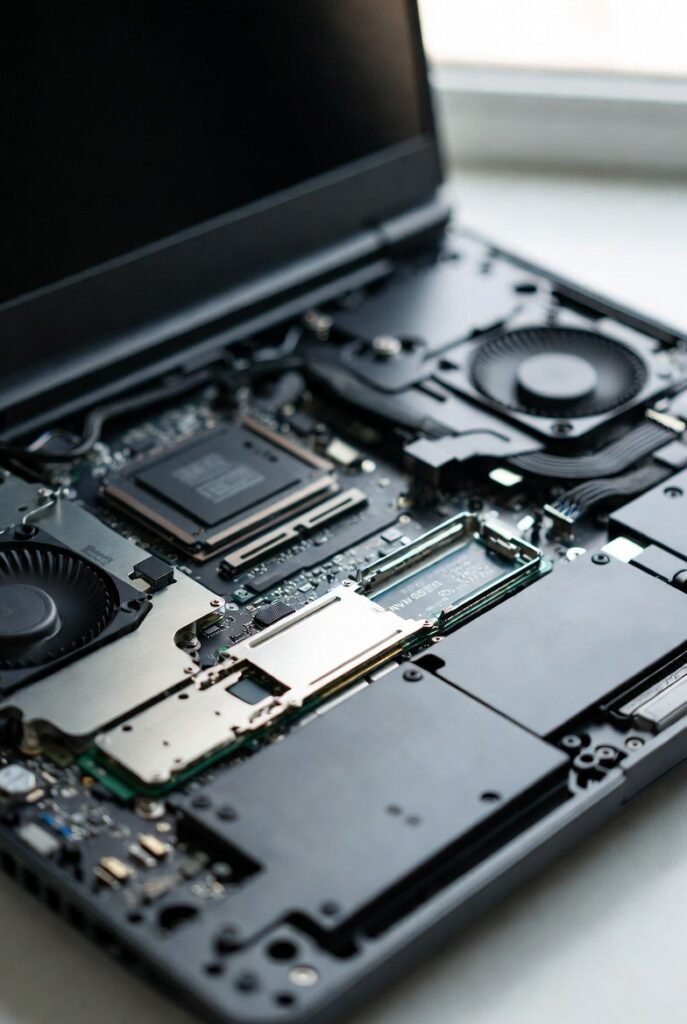
The Heat Factor: A Major Disadvantage of Gen5
One significant drawback of the fastest NVMe SSDs in the Gen5 category is thermal management. Gen5 controllers work extremely hard to push 14GB/s, which generates substantial heat.
- Active Cooling Required: Most Gen5 SSDs require massive heatsinks, and many now come with integrated fans. Without proper cooling, these drives will “throttle,” dropping their speeds below even Gen4 levels to prevent damage.
- Gen4 Simplicity: High-end Gen4 drives generally run much cooler. A simple motherboard heatsink is usually enough to keep them at optimal temperatures, making them a safer choice for compact builds or gaming laptops.
- https://lyallpurgamezone.site/10-secrets-to-mobile-gaming-success-in-the-us-uk/

Common Myths and Mistakes
Myth 1: Gen5 SSDs give you more FPS.
Reality: Your SSD has almost zero impact on your Frames Per Second (FPS). FPS is determined by your CPU and GPU. An SSD only affects loading screens and asset streaming.
Myth 2: You need Gen5 for “Future-Proofing.”
Reality: By the time games actually require 14,000 MB/s speeds, Gen5 drives will be much cheaper and more efficient. Buying one now for “future-proofing” is often an expensive gamble.
Myth 3: DRAM-less SSDs are bad for gaming.
Reality: In 2026, Host Memory Buffer (HMB) technology has made DRAM-less drives like the Lexar NM790 nearly indistinguishable from premium drives in gaming workloads.
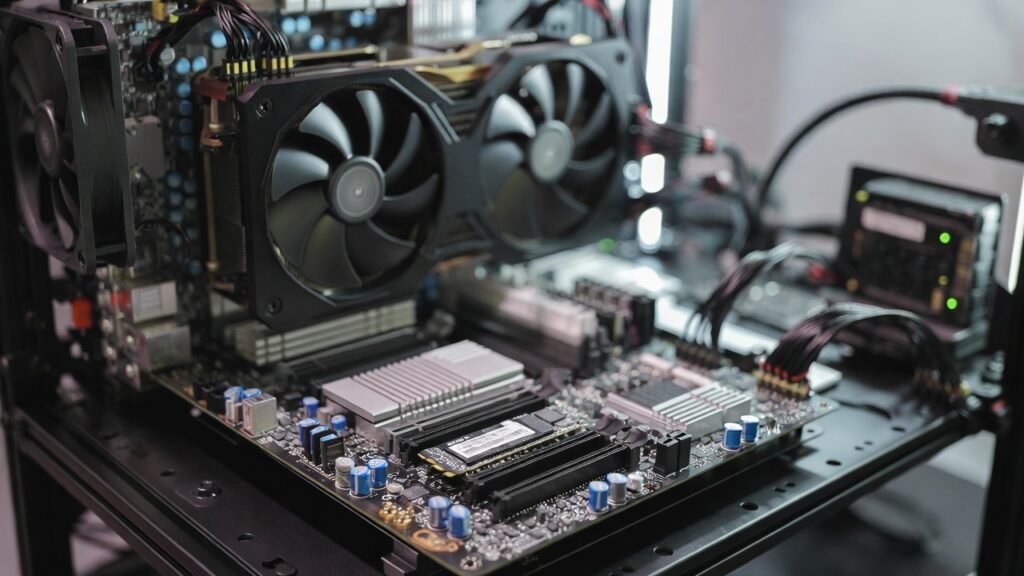
Expert Tips for Buying an SSD in 2026
- Prioritize Capacity Over Gen: A 2TB Gen4 drive is a much better investment for a gamer than a 1TB Gen5 drive. With games like GTA 6 rumored to exceed 300GB, space is more valuable than raw sequential speed.
- Check Your Motherboard: Ensure your motherboard actually supports PCIe 5.0. If you have an older B550 or Z590 board, a Gen5 drive will be limited to Gen4 speeds, wasting your money.
- Heatsinks are Mandatory: If you buy a high-end NVMe, never run it “naked.” Always use the included heatsink or your motherboard’s thermal shield.
- Streaming & Content Creation: If you also stream or edit 8K video, this is where Gen5 actually shines. The high sequential write speeds significantly reduce video rendering and export times.
- https://lyallpurgamezone.site/

Conclusion: Which Should You Buy?
For 95% of gamers in 2026, the PCIe Gen4 SSD remains the smartest choice. Drives like the Samsung 990 Pro or WD Black SN850X offer the perfect balance of speed, price, and thermal stability. They are more than capable of handling GTA 6, Valorant, and Fortnite with ease.
However, if you are an enthusiast with a top-tier Z890 or X670 motherboard and you want the “clout” of owning the fastest storage on the planet, the Crucial T705 or WD_Black SN8100 are engineering marvels that represent the bleeding edge of technology.
Actionable Takeaway: If you find a 2TB Gen4 drive for under $150, buy it. The real-world difference between that and a $300 Gen5 drive in gaming is virtually zero.
https://lyallpurgamezone.site/

2026 Updated
best gaming laptop for GTA 6: Guide to the Best Gaming SSDs: Gen4 vs Gen5 Tested Xbox Cloud Gaming vs PS Cloud: Guide to the Best Gaming SSDs: Gen4 vs Gen5 Tested Valorant 2026 pro settings guide: Guide to the Best Gaming SSDs: Gen4 vs Gen5 Tested top VR headset 2026 review: Guide to the Best Gaming SSDs: Gen4 vs Gen5 Tested GTA 6 how to unlock features: Guide to the Best Gaming SSDs: Gen4 vs Gen5 Tested competitive FPS settings US gamers: Guide to the Best Gaming SSDs: Gen4 vs Gen5 TestedFrequently Asked Questions (FAQ)
1. Is Gen5 SSD worth it for gaming in 2026?
For pure gaming, no. The difference in loading times is usually less than one second, and it does not improve FPS. It is only worth it for heavy workstation tasks or moving massive files.
2. Can I use a Gen5 SSD in a Gen4 slot?
Yes, PCIe is backward compatible. However, the drive will be “bottlenecked” and will only run at Gen4 speeds (max ~8,000 MB/s).
3. What is the best SSD for GTA 6?
Because of the massive world size and asset density, we recommend a high-performance Gen4 drive with at least 2TB of space, such as the Samsung 990 Pro or WD Black SN850X.
4. Do Gen5 SSDs really need fans?
Many do. Due to high power consumption, Gen5 drives can reach over 80°C quickly. If your drive doesn’t have a large heatsink or active cooling, it will likely throttle during long gaming sessions.
5. What is the best budget gaming SSD right now?
The Lexar NM790 and Crucial P310 are currently the top value picks, offering near-flagship Gen4 speeds at a fraction of the price of big-name brands.
6. Does the PS5 support Gen5 SSDs?
No, the PlayStation 5 and PS5 Pro are limited to PCIe Gen4. While a Gen5 drive might work, it will be limited to the console’s Gen4 interface speeds.
🔥 2026 Trending Games
- GTA 6 🔥🔥🔥
- Call of Duty 2026
- Fortnite Chapter updates
- Valorant new agents
- EA Sports FC updates
- Minecraft AI mods
- Roblox creator economy
One response to “Guide to the Best Gaming SSDs: Gen4 vs Gen5 Tested”
-
[…] Read More: […]
Related Post:


Introduction:
Remember when shopping meant a trip to the mall? That experience hasn’t disappeared, but it has transformed beyond recognition. Today, a customer might discover your product in a social media ad, research it on their phone while in a competitor’s physical store, read reviews on their laptop at home, and finally buy it with a click—only to pick it up from your local branch an hour later.
This is the modern retail landscape. The line between “e-commerce” and “retail” has not just blurred; it has dissolved. The future belongs to businesses that understand this fundamental shift. It’s no longer about choosing between a brick-and-mortar store or an online shop. Success hinges on creating a seamless, unified experience wherever your customer chooses to engage.
The e-commerce industry has transformed how people shop and how businesses operate worldwide. With global online retail sales projected to exceed $6 trillion, there’s never been a better time to launch an e-commerce venture. However, success in online retail requires more than just setting up a website and listing products.
Whether you’re a budding entrepreneur or an established brick-and-mortar store owner looking to expand online, understanding the fundamentals of e-commerce is crucial. This comprehensive guide will walk you through everything you need to know about building, launching, and scaling a profitable online retail business that stands out in today’s competitive marketplace.
This guide cuts through the noise to provide a clear, actionable roadmap. We’ll explore the essential strategies that are defining retail success today, moving beyond basic setup to focus on integration, customer experience, and sustainable growth. Whether you’re a traditional retailer expanding online or a digital-native brand considering a physical presence, mastering this blended approach is your key to thriving.
The world of retail has shifted dramatically in recent years, with e-commerce leading the charge. Online shopping isn’t just a convenience anymore—it’s the backbone of modern business retail. From small startups to global giants, businesses are adapting to this digital revolution to meet consumer demands for speed, variety, and personalization.
Gone are the days when shoppers had to brave crowded stores. Today, a few clicks deliver everything from groceries to gadgets right to your door. This surge in e-commerce retail has created unprecedented opportunities, but it also comes with challenges. In this guide, we’ll break down how e-commerce is reshaping business retail, why online shopping dominates, and actionable steps to succeed.
Whether you’re a retailer eyeing an online pivot or a consumer curious about the trends, understanding e-commerce’s impact is key. Let’s dive into the essentials.
https://www.bigcommerce.com/articles/ecommerce/ecommerce-trends

The New Retail Foundation: It’s All Connected
Gone are the days of treating your online and offline operations as separate silos with different budgets, inventories, and goals. The modern consumer demands consistency and convenience.
The Omnichannel Imperative: Weaving a Single Tapestry
Omnichannel retail isn’t a buzzword; it’s the baseline expectation. It means providing a cohesive customer journey across all touchpoints—your website, mobile app, social media, physical store, and even customer service calls.
- Buy Online, Pick Up In-Store (BOPIS): This service skyrocketed in necessity and popularity. It drives foot traffic, increases average order value (customers often grab extra items when they come in), and reduces shipping costs.
- Endless Aisle in Stores: Use in-store tablets or kiosks to let customers browse and order your full online catalog for home delivery if a size or color is out of stock on the shelf. The sale is saved, and the customer leaves satisfied.
- Unified Customer Profiles: Can your systems recognize that the woman browsing jeans on your app is the same person who bought a sweater in-store last week? Centralizing customer data is the engine of personalization.
Why Inventory Visibility is Non-Negotiable
Nothing breaks trust faster than promising what you can’t deliver. A unified, real-time view of inventory across all warehouses and stores is critical. When a customer sees “1 left in stock” online, they need to know it’s truly there. This transparency prevents overselling, enables reliable BOPIS, and streamlines fulfillment.
What Is E-commerce and Why It Matters
E-commerce, short for electronic commerce, refers to buying and selling goods or services over the internet. This business model has revolutionized traditional retail by eliminating geographical barriers and providing customers with 24/7 shopping convenience.
The significance of e-commerce extends beyond simple transactions. It encompasses various business models including B2C (business-to-consumer), B2B (business-to-business), C2C (consumer-to-consumer), and C2B (consumer-to-business). Each model serves different market needs and requires distinct operational approaches.
Modern consumers expect seamless shopping experiences across multiple devices. They research products online, compare prices, read reviews, and make informed purchasing decisions within minutes. This shift in consumer behavior makes having a strong online presence essential for retail survival.
Key Components of a Successful E-commerce Business
Choosing the Right E-commerce Platform
Your platform serves as the foundation of your online store. Popular options include:
- Shopify: User-friendly interface ideal for beginners with extensive app integrations
- WooCommerce: WordPress-based solution offering maximum customization flexibility
- BigCommerce: Scalable platform suited for growing businesses with built-in features
- Magento: Enterprise-level solution for large-scale operations requiring advanced functionality
Consider factors like transaction fees, payment gateway options, scalability, design flexibility, and technical support when making your selection. The right platform aligns with your budget, technical expertise, and long-term business goals.
Product Selection and Sourcing Strategies
Choosing profitable products determines your business viability. Conduct thorough market research to identify:
- High-demand products with reasonable competition
- Profit margins that cover operational costs
- Products aligned with your expertise or passion
- Trending items with long-term potential
Sourcing methods vary based on your business model. Dropshipping eliminates inventory costs but offers lower profit margins. Wholesale purchasing provides better margins but requires upfront investment. Private labeling creates brand differentiation while manufacturing gives complete control over product quality.
What is E-Commerce and How It Powers Retail
E-commerce, short for electronic commerce, refers to buying and selling goods or services over the internet. It’s the digital engine driving modern retail, blending technology with consumer needs.
At its core, e-commerce retail operates through platforms like websites, apps, and marketplaces. Think Amazon, Shopify stores, or even social media shops on Instagram. This model allows businesses to reach customers worldwide without physical limitations.
Key Types of E-Commerce Models
E-commerce isn’t one-size-fits-all. Here are the main models shaping business retail:
- B2C (Business-to-Consumer): The most common, like ordering clothes from Zara’s online store. It focuses on direct sales to individuals.
- B2B (Business-to-Business): Wholesale deals, such as suppliers selling inventory to retailers via platforms like Alibaba.
- C2C (Consumer-to-Consumer): Peer-to-peer marketplaces like eBay, where individuals sell to each other.
- C2B (Consumer-to-Business): Freelancers offering services on sites like Upwork.
These models highlight e-commerce’s versatility, making online shopping accessible for everyone from hobbyists to corporations.
The Engine of Modern E-commerce: Data and Personalization
If omnichannel is the skeleton, data is the central nervous system. Every click, cart abandonment, purchase history, and store visit is a valuable piece of information.
Moving Beyond
Modern personalization is predictive and proactive. It’s about using data to serve the right message, product, or offer at the perfect moment.
- Dynamic Website Content: Show returning visitors product recommendations based on past browsing. Greet a high-value customer with an exclusive offer.
- Personalized Email Flows: Abandoned cart reminders are just the start. Send replenishment alerts for consumable products, or notify a customer when a previously viewed item goes on sale.
- Hyper-Targeted Advertising: Use your first-party data (purchase history, email list) to create lookalike audiences on social media, finding new customers who share characteristics with your best existing ones.
The Explosive Growth of Online Shopping
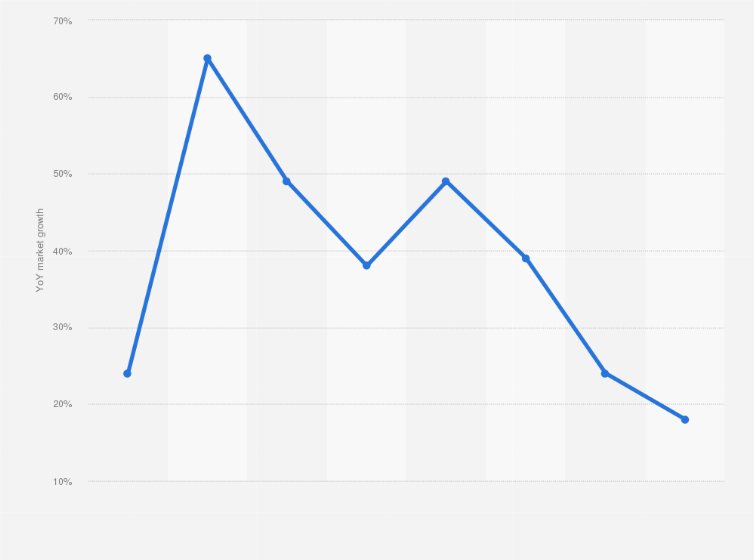
Online shopping has skyrocketed, fueled by smartphones, fast internet, and changing habits. In 2025 alone, global e-commerce sales hit $6.5 trillion, projected to exceed $8 trillion by 2027 according to Statista.
Post-pandemic, consumers embraced the safety and ease of digital purchases. In Pakistan, for instance, platforms like Daraz have turned online shopping into a daily norm, with retail e-commerce growing 35% year-over-year.
Businesses that ignored this trend suffered—think traditional retailers losing foot traffic. Those who embraced it, like Walmart with its robust online arm, thrived by integrating e-commerce into their retail strategy.
Advantages of E-Commerce for Retail Businesses
Switching to or expanding e-commerce offers clear wins for business retail.
First, global reach eliminates geographic barriers. A small boutique in Faisalabad can sell handmade crafts to customers in New York.
Second, lower overhead costs. No need for prime real estate; a Shopify store costs pennies compared to a high-street shop.
Third, data-driven insights. Tools like Google Analytics track customer behavior, enabling personalized marketing.
Real-world example: Nike’s e-commerce site uses AI recommendations, boosting sales by 30%. For online shopping enthusiasts, this means tailored suggestions that feel intuitive.
However, it’s not all smooth sailing. Let’s look at the flip side.
Disadvantages and Challenges in E-Commerce Retail
Despite the hype, e-commerce has hurdles that retail businesses must navigate.
High competition is a big one—millions of stores vie for attention, making visibility tough without strong SEO and ads.
Then there’s logistics nightmares. Delays in shipping, especially in regions like Pakistan with variable infrastructure, lead to frustrated customers.
Cybersecurity risks loom large too. Data breaches erode trust, as seen in the 2024 Shopify hack affecting thousands.
| Challenge | Impact on Retail | Mitigation Strategy |
|---|---|---|
| Intense Competition | Reduced visibility | Invest in SEO and unique branding |
| Supply Chain Issues | Delayed deliveries | Partner with reliable logistics like TCS or DHL |
| Customer Trust | High cart abandonment | Use secure payments (SSL, 3D Secure) |
| High Return Rates | Profit erosion | Clear product descriptions and sizing guides |
This table shows how proactive planning turns disadvantages into manageable issues.

Website Design and User Experience
Your website represents your digital storefront. Professional design builds credibility and encourages purchases. Essential elements include:
- Clean, intuitive navigation structure
- High-quality product images from multiple angles
- Detailed product descriptions addressing customer questions
- Mobile-responsive design for smartphone shoppers
- Fast loading speeds (under 3 seconds)
- Clear calls-to-action guiding visitors toward purchase
User experience directly impacts conversion rates. Every additional second of loading time can decrease conversions by up to 7%. Prioritize speed optimization alongside aesthetic appeal.
E-commerce Marketing Strategies That Drive Sales
Search Engine Optimization for Online Stores
SEO attracts organic traffic without ongoing advertising costs. Optimize your e-commerce site by:
- Conducting keyword research for product categories and individual items
- Creating unique, descriptive product titles and descriptions
- Implementing proper heading hierarchy (H1, H2, H3)
- Adding alt text to all product images
- Building high-quality backlinks from relevant websites
- Creating valuable blog content addressing customer questions
Product pages should target specific long-tail keywords matching buyer intent. For example, “waterproof hiking boots for women size 8” converts better than generic terms like “boots.”
Social Media Marketing and Influencer Partnerships
Social platforms provide direct access to your target audience. Develop platform-specific strategies:
Instagram: Showcase products through visually appealing posts, stories, and reels. Use shopping features to enable direct purchases.
Facebook: Run targeted ad campaigns, create engaging groups, and leverage marketplace listings.
TikTok: Create entertaining, authentic content showcasing product benefits through trending formats.
Pinterest: Pin product images with detailed descriptions driving traffic to your store.
Partnering with influencers amplifies your reach. Micro-influencers (10,000-100,000 followers) often deliver better engagement rates and ROI than celebrity endorsements for niche products.
The Customer Experience: Your Ultimate Competitive Edge
Price and product can be copied. A truly exceptional customer experience (CX) is much harder to replicate. In a crowded market, CX is your primary differentiator.
Crafting Frictionless Journeys
Every step of the customer journey should be examined for friction points.
- Mobile-First Design: Over 60% of online shopping traffic comes from mobile devices. If your site isn’t fast, intuitive, and easy to navigate on a phone, you’re losing sales at the first hurdle.
- Transparent and Flexible Fulfillment: Clearly display all shipping options, costs, and delivery timelines at the cart. Offer multiple choices: standard shipping, expedited, in-store pickup, local delivery.
- Empowered Customer Service: Support agents need access to the unified customer profile we discussed. They should see the entire history—online orders, in-store returns, past support tickets—to resolve issues quickly and personally.
Advantages and Disadvantages of the Integrated Retail Model
| Advantages | Disadvantages / Challenges |
|---|---|
| Increased Sales & Loyalty: Seamless experience leads to higher conversion and repeat business. | Complexity & Cost: Integrating POS, e-commerce, inventory, and CRM systems requires significant investment. |
| Valuable Data Insights: Holistic view of customer behavior fuels better decisions. | Operational Hurdles: Managing inventory across locations and training staff on new systems is demanding. |
| Operational Efficiency: Ship-from-store optimizes inventory and reduces shipping distances/costs. | Consistency is Hard: Maintaining the same brand voice, pricing, and promotions everywhere is a constant effort. |
| Resilience: Not reliant on a single channel (e.g., a physical store during lockdowns). | Data Security: More touchpoints mean a greater responsibility to protect sensitive customer data. |
E-Commerce vs. Traditional Retail: A Head-to-Head Comparison
Wondering if e-commerce will fully replace brick-and-mortar stores? Not quite—it’s more of a hybrid evolution.
Traditional retail excels in tactile experiences, like trying on shoes. E-commerce shines in convenience and 24/7 access.
Here’s a comparison:
| Aspect | Traditional Retail | E-Commerce Retail |
|---|---|---|
| Customer Reach | Local only | Global |
| Operating Costs | High (rent, staff) | Low (digital infrastructure) |
| Personalization | Limited | High (AI-driven) |
| Inventory Management | Physical storage | On-demand dropshipping |
| Sales Speed | Store hours | Instant, 24/7 |
Hybrids like click-and-collect (order online, pick up in-store) from brands like H&M bridge the gap, combining the best of both worlds for online shopping.
Email Marketing and Customer Retention
Email remains one of the highest-converting marketing channels. Build your list through:
- Website pop-ups offering first-purchase discounts
- Lead magnets providing valuable content or resources
- Exit-intent popups preventing cart abandonment
- Post-purchase follow-ups requesting reviews
Segment your email list based on purchase history, browsing behavior, and customer preferences. Personalized campaigns outperform generic mass emails significantly.
Abandoned cart emails recover lost sales effectively. Send a sequence reminding customers about forgotten items, addressing concerns, and offering incentives when appropriate.
Payment Processing and Security Considerations
Customer trust depends on secure payment processing. Implement multiple payment options including:
- Credit and debit cards
- Digital wallets (PayPal, Apple Pay, Google Pay)
- Buy now, pay later services (Affirm, Klarna)
- Bank transfers for high-value transactions
SSL certificates encrypt data transmitted between browsers and servers. Display trust badges prominently, highlighting security measures protecting customer information. Compliance with PCI DSS (Payment Card Industry Data Security Standard) is mandatory for processing card payments.
Transparent pricing builds confidence. Display all costs including shipping, taxes, and fees before checkout. Hidden charges cause cart abandonment and damage reputation.

Inventory and Order Fulfillment Management
Inventory Control Systems
Effective inventory management prevents stockouts and overstock situations. Use inventory management software tracking:
- Real-time stock levels across multiple warehouses
- Automatic reorder points triggering purchase orders
- Sales velocity identifying fast and slow-moving products
- Seasonal demand patterns informing purchasing decisions
Just-in-time inventory reduces storage costs but requires reliable suppliers. Safety stock protects against unexpected demand spikes or supply chain disruptions.
Shipping and Logistics Solutions
Shipping costs and speed influence purchasing decisions significantly. Offer multiple shipping options:
- Standard shipping (5-7 business days)
- Expedited shipping (2-3 business days)
- Express overnight delivery
- Free shipping with minimum purchase thresholds
Partner with reliable carriers offering competitive rates and tracking capabilities. Consider fulfillment services like Amazon FBA (Fulfillment by Amazon) or third-party logistics providers (3PLs) handling storage, packing, and shipping.
International shipping expands market reach but introduces complexity regarding customs, duties, and longer delivery times. Research destination country regulations before offering global shipping.
Common E-commerce Mistakes to Avoid
Many online retailers fail due to preventable errors:
Poor product photography: Blurry, poorly lit images reduce trust and conversions. Invest in professional photography or learn proper techniques.
Complicated checkout process: Every additional form field increases abandonment rates. Streamline checkout to essential information only.
Inadequate customer service: Slow responses frustrate customers and generate negative reviews. Implement live chat, comprehensive FAQs, and responsive support teams.
Ignoring mobile optimization: Over 70% of e-commerce traffic comes from mobile devices. Sites not optimized for smartphones lose massive sales opportunities.
Neglecting analytics: Data reveals what works and what doesn’t. Regularly review metrics like conversion rates, average order value, customer acquisition costs, and lifetime value.
Underestimating marketing costs: Organic growth takes time. Budget adequately for paid advertising, especially during launch phases.
E-commerce Business Models Comparison
| Business Model | Investment Level | Profit Margin | Control | Best For |
|---|---|---|---|---|
| Dropshipping | Low | 10-30% | Low | Beginners testing products |
| Wholesale | Medium | 30-50% | Medium | Established businesses |
| Private Label | Medium-High | 40-60% | High | Brand builders |
| Manufacturing | Very High | 50-80% | Very High | Long-term scalability |
| Print on Demand | Low | 20-40% | Medium | Creative entrepreneurs |
Expert Tips for E-commerce Success
Start small and test thoroughly: Launch with limited product selection, validate demand, then expand systematically.
Focus on customer reviews: Positive reviews build social proof dramatically increasing conversion rates. Actively request feedback from satisfied customers.
Optimize for conversions continuously: A/B test product descriptions, images, pricing, and checkout processes. Small improvements compound over time.
Build an email list from day one: Your customer list represents your most valuable asset. Own this relationship rather than depending solely on social media platforms.
Provide exceptional customer experience: Outstanding service generates word-of-mouth referrals and repeat purchases worth far more than acquisition costs.
Monitor competitors regularly: Understand their pricing, promotions, and strategies. Differentiate through unique value propositions rather than competing solely on price.
Invest in quality content: Blog posts, videos, and guides establishing expertise attract organic traffic and build authority in your niche.
Advantages and Disadvantages of E-commerce
Advantages
E-commerce offers numerous benefits for entrepreneurs and established businesses:
- Lower overhead costs compared to physical retail locations
- Global market reach unrestricted by geography
- 24/7 sales operations without staffing requirements
- Detailed analytics tracking customer behavior and sales performance
- Easier scalability adding products without physical space constraints
- Targeted marketing reaching specific demographics efficiently
Disadvantages
Online retail also presents challenges requiring careful management:
- Intense competition from established marketplaces and international sellers
- Significant marketing costs acquiring customers in crowded markets
- Shipping complexities including damage, delays, and customer expectations
- Higher return rates compared to physical stores
- Technical knowledge required for website maintenance and optimization
- Customer service demands managing inquiries across multiple channels
Common Myths and Costly Mistakes to Avoid
Many businesses stumble by believing outdated ideas or overlooking foundational elements.
Myth 1: “If I Build a Website, Sales Will Automatically Come.”
Reality: A website is a digital storefront in a global mall. You need a strategic plan for driving traffic (SEO, content marketing, paid ads) and converting that traffic (UX design, clear value propositions).
Myth 2: “Price is the Only Thing That Matters.”
Reality: While important, competing solely on price is a race to the bottom. Customers increasingly value convenience, brand ethos, sustainability, and exceptional service. They will often pay more for a better overall experience.
Mistake 1: Neglecting Site Speed and Core Web Vitals.
A one-second delay in page load can lead to a 7% reduction in conversions. Google also uses site experience as a ranking factor. Regularly audit your site’s speed.
Mistake 2: Poor Product Photography and Descriptions.
Online, customers can’t touch or try the product. High-quality images (with zoom and video) and detailed, benefit-driven copy are your sales staff. Invest in them.
Mistake 3: Making Returns Difficult.
A cumbersome return policy is a major deterrent at checkout. A clear, fair, and easy return process builds immense trust and encourages the initial purchase. Consider it a cost of doing business.
Common Myths About E-Commerce and Online Shopping
Myth 1: E-commerce is only for big brands. Reality: Tools like WooCommerce let solopreneurs launch stores for under $100. Daraz sellers in Pakistan prove small businesses can compete.
Myth 2: Online shopping kills jobs. False—e-commerce creates roles in warehousing, digital marketing, and tech support. U.S. e-commerce added 1.5 million jobs since 2020.
Myth 3: Physical stores are obsolete. Many thrive as showrooms, with 40% of U.S. shoppers researching online before buying in-store (per Harvard Business Review).
Myth 4: Returns ruin profitability. Smart policies, like Zappos’ free returns, build loyalty and increase lifetime value.
Busting these myths empowers businesses to approach e-commerce retail confidently.
Future Trends Shaping E-commerce
The online retail landscape continues evolving rapidly. Emerging trends include:
Artificial intelligence and personalization: AI-powered recommendations, chatbots, and dynamic pricing optimize customer experiences and increase average order values.
Augmented reality shopping: Virtual try-on features for clothing, accessories, and home decor reduce return rates and boost confidence in purchases.
Voice commerce: Smart speakers enable voice-activated shopping, requiring optimization for voice search queries.
Sustainability focus: Eco-conscious consumers prefer brands demonstrating environmental responsibility through sustainable packaging and ethical sourcing.
Social commerce integration: Seamless purchasing directly within social media platforms reduces friction between discovery and transaction.
Expert Tips and Best Practices for E-Commerce Success
To dominate in business retail, follow these proven strategies.
Optimize for Mobile-First Online Shopping
Over 60% of e-commerce traffic is mobile. Ensure your site loads in under 3 seconds—use AMP and compress images.
Leverage SEO for E-Commerce Retail
Target keywords like “best online shopping sites” naturally. Create content-rich product pages with buyer guides.
Build Trust with Social Proof
Display reviews, user-generated content, and trust badges. Example: Allbirds’ site features customer photos, lifting conversions by 20%.
Master Personalization
Use tools like Klaviyo for email segmentation. Recommend “customers also bought” items to mimic Amazon’s success.
- Streamline checkout: One-page forms reduce abandonment by 35%.
- Offer multiple payments: Integrate EasyPaisa or JazzCash for Pakistan markets.
- Focus on sustainability: Eco-packaging appeals to 70% of Gen Z shoppers.
Scale with Analytics
Track metrics like AOV (average order value) and CLV (customer lifetime value). Adjust based on data, not guesswork.
Real-world tip: A Faisalabad-based clothing brand boosted sales 50% by analyzing cart abandonment and adding live chat support.
Future Trends Shaping E-Commerce Retail
Looking ahead, AI and AR will redefine online shopping. Virtual try-ons, like IKEA’s app, cut returns by 25%.
Voice commerce via Alexa grows, while live-stream shopping on TikTok explodes in Asia.
Sustainability drives change—expect more carbon-neutral shipping. Blockchain for transparent supply chains will build trust.
Businesses ignoring these risk obsolescence. Stay agile to lead in e-commerce retail.
Expert Tips for Sustainable Growth in 2024
- Master Your Niche: Instead of selling everything to everyone, become the absolute go-to authority for a specific customer with a specific need. Depth often beats breadth.
- Leverage User-Generated Content (UGC): Customer photos, reviews, and unboxing videos are the most trusted form of marketing. Encourage and prominently feature UGC on product pages and social media.
- Explore Alternative Sales Channels: Don’t put all your eggs in your own website basket. Strategically use established marketplaces (like Amazon or Etsy) for discovery, and social commerce features (like Instagram Shops) for impulse buys, always aiming to bring loyal customers back to your owned channels.
- Invest in Email Marketing: It remains one of the highest ROI marketing channels. Focus on building a permission-based list and sending valuable content, not just sales blasts.
- Prioritize Sustainability Authentically: Consumers are savvy. If you make environmental or ethical claims, be prepared to back them up with transparent practices. This could mean sustainable packaging, carbon-neutral shipping, or ethical sourcing.
Conclusion: Building for the Long Term
E-commerce has transformed business retail, making online shopping the preferred choice for millions. From global reach to data smarts, the advantages outweigh challenges when handled right.
Don’t wait—audit your retail strategy today. Start with a simple online store, optimize for SEO, and prioritize customer experience. The digital marketplace rewards the bold.
Your actionable takeaway: Launch a pilot e-commerce channel this month. Track results and scale what works.
Building a successful e-commerce business requires strategic planning, consistent execution, and continuous optimization. While the barriers to entry are lower than traditional retail, long-term success demands dedication to customer experience, marketing excellence, and operational efficiency.
Start by selecting the right platform and products aligned with market demand. Invest in professional website design, implement robust marketing strategies, and prioritize customer satisfaction above all else. Monitor analytics regularly, test improvements systematically, and adapt to changing consumer preferences.
The e-commerce industry offers tremendous opportunities for entrepreneurs willing to learn, adapt, and persist through challenges. Take action today by researching your niche, validating product ideas, and taking your first steps toward building your online retail empire.
The future of retail is not a battle between online and offline. It’s a symphony where each channel plays a complementary part in a unified customer journey. The goal is to meet your customers where they are, with what they need, in the most effortless way possible.
Start by auditing your own current presence. Is your inventory visible across channels? Is the customer experience consistent? Are you collecting and using data respectfully to add value? Begin with one key integration—perhaps implementing a reliable BOPIS system or unifying your loyalty program—and build from there.
Success in this new era is built on flexibility, data-smart decisions, and an unwavering focus on the human being at the other end of every transaction. By embracing this connected model, you’re not just adapting to the future of retail; you’re actively building it.
FAQ Section
1. What is the biggest difference between e-commerce and traditional retail today?
The biggest difference is the expectation of integration. Traditional retail operated in silos, while today’s successful retail seamlessly blends physical and digital touchpoints, using data from all channels to inform the business and serve the customer.
2. Do I still need a physical store if my e-commerce business is doing well?
Not necessarily, but it can be a powerful growth lever. A physical location serves as a marketing tool, a product showroom, a convenient pickup/return hub, and a way to build deeper community connections. The decision should be based on your customer demographics and brand strategy.
3. What is the difference between e-commerce and online shopping?
E-commerce is the broader system of online buying/selling, while online shopping specifically refers to consumers purchasing products digitally.
4.How can small businesses start e-commerce retail?
Begin with platforms like Shopify or Daraz. Focus on niche products, basic SEO, and social media marketing for quick wins.
5.How much money do I need to start an e-commerce business?
Starting costs vary significantly based on your business model. Dropshipping can begin with $500-$2,000 covering platform fees, domain, and initial marketing. Inventory-based businesses typically require $5,000-$50,000 for product purchases, warehousing, and operations. Create a detailed budget including website development, inventory, marketing, shipping supplies, and operating capital for 3-6 months.
6.What are the best products to sell online in 2025?
Profitable products solve specific problems, target passionate communities, or fulfill recurring needs. Research trending categories using Google Trends, Amazon Best Sellers, and social media platforms. Consider health and wellness products, sustainable goods, tech accessories, personalized items, and niche hobby supplies. Avoid oversaturated markets unless you offer unique differentiation.
Leave a Reply

Introduction:
Few technologies in history have sparked such intense debate as artificial intelligence. Is it a miracle tool poised to solve humanity’s greatest challenges, or a dangerous force we’re unleashing without a second thought? The truth, as it often does, lies somewhere in the nuanced middle.
To understand AI’s role in our future, we must move beyond the flashy headlines and dystopian sci-fi plots. We need a clear-eyed, practical examination of what AI genuinely offers today—its undeniable benefits for speed, efficiency, and problem-solving—alongside a sober assessment of its tangible risks and limitations. This isn’t about choosing sides; it’s about navigating a powerful new reality with both optimism and caution.
Let’s dissect the double-edged sword of artificial intelligence.
Understanding the AI Spectrum: From Helpful Tools to Complex Systems
Before weighing pros and cons, it’s crucial to define what we mean by “AI.” In public discourse, the term is often used as a monolith, but it encompasses a wide range of technologies.
Narrow AI (or Weak AI) is what surrounds us today. These are systems designed for specific tasks. The algorithm that recommends your next Netflix show, the chatbot that handles customer service inquiries, and the software that filters spam from your inbox are all examples of Narrow AI. They are incredibly proficient within their defined lane but possess no general understanding or consciousness.
General AI (or Strong AI) remains theoretical. This refers to a machine with human-like cognitive abilities—the capacity to understand, learn, and apply intelligence to any problem, much like a person. We are nowhere near achieving this, and much of the existential fear around AI is tied to this distant, and still speculative, possibility.
Our discussion of advantages and disadvantages will focus primarily on Narrow AI, the technology currently transforming industries and daily life.
The Undeniable Advantages of Artificial Intelligence
The adoption of AI isn’t driven by hype alone. It delivers concrete, measurable benefits across sectors. Here are the most impactful advantages.
Unmatched Speed and Efficiency in Processing
AI systems, particularly those powered by machine learning, can analyze vast datasets in seconds—a task that would take humans months or even years. This speed unlocks new capabilities.
- In Research: AI models can sift through millions of academic papers, clinical trial data, or genetic sequences to identify patterns and potential solutions, accelerating discoveries in medicine and science.
- In Finance: Algorithms execute high-frequency trades, detect fraudulent transactions in real-time, and manage risk by analyzing global market trends instantly.
- In Logistics: AI optimizes delivery routes for entire fleets, factoring in traffic, weather, and fuel costs, ensuring packages arrive faster with fewer resources.

24/7 Availability and Consistency
Unlike human workers, AI systems don’t need sleep, breaks, or vacations. They provide constant service.
- Customer Support: AI-powered chatbots can handle routine queries anytime, resolving simple issues instantly and freeing human agents for complex problems.
- Manufacturing: Robots on production lines maintain consistent quality and output around the clock, reducing downtime and human error.
Handling Repetitive and Hazardous Tasks
This is one of AI’s most socially beneficial aspects. It automates dull, dangerous, and dirty jobs.
- Dangerous Work: AI-driven drones inspect power lines or wind turbines. Robots defuse bombs or enter contaminated disaster zones.
- Repetitive Tasks: In offices, AI automates data entry, invoice processing, and report generation, allowing employees to focus on strategic, creative work.
Enhanced Decision-Making with Data Analysis
AI doesn’t get tired or emotional. It can provide data-driven insights that supplement human judgment.
- In Healthcare: AI tools help radiologists by highlighting potential anomalies in X-rays or MRIs, serving as a powerful second opinion that can improve diagnostic accuracy.
- In Business: Predictive analytics help forecast sales, manage inventory, and understand consumer behavior with greater precision.
Driving Innovation and Personalization
AI is the engine behind many modern conveniences and breakthroughs.
- Personalized Experiences: Streaming, shopping, and music platforms use AI to curate content uniquely suited to your tastes.
- Creative Assistance: AI tools help writers overcome blocks, designers generate visual concepts, and musicians explore new soundscapes, acting as collaborative partners that enhance human creativity.
The Significant Disadvantages and Risks of AI
For all its power, AI introduces serious challenges that we are only beginning to grapple with. Ignoring these risks is not an option.
Job Displacement and Economic Inequality
The fear of robots taking jobs is not new, but with AI, it extends beyond factory floors to white-collar professions. While AI will create new jobs (like AI ethicists or trainers), the transition will be disruptive.
- The Risk: Roles in data entry, basic analysis, customer service, and even some aspects of law, accounting, and journalism are being augmented or automated. The danger is a growing skills gap and increased economic inequality if workforce retraining doesn’t keep pace.
- The Nuance: History shows technology often changes the nature of work rather than eliminating it entirely. The key challenge is managing this transition equitably.

Algorithmic Bias and Perpetuating Injustice
AI systems learn from data created by humans. If that data contains historical biases, the AI will inherit and amplify them.
- Real-World Example: Facial recognition systems have shown lower accuracy for people with darker skin tones. AI used in hiring tools has been found to discriminate against resumes containing the word “women’s” (as in “women’s chess club”). This isn’t a machine being “racist” or “sexist”—it’s a mirror reflecting our own flawed data back at us, at an alarming scale and speed.
The “Black Box” Problem and Lack of Transparency
Many advanced AI models, particularly deep learning networks, are incredibly complex. Even their creators can’t always explain why the system arrived at a specific decision. This lack of explainability is a major hurdle.
- Why It Matters: If an AI denies a loan application, rejects a parole request, or misdiagnoses a patient, we need to understand its reasoning to ensure fairness, debug errors, and maintain accountability. “The algorithm decided” is not an acceptable justification.
Security Vulnerabilities and Malicious Use
Like any powerful tool, AI can be weaponized.
- Cyberattacks: AI can be used to launch more sophisticated phishing attacks, create malware that adapts to defenses, or automate hacking attempts.
- Deepfakes and Misinformation: AI-generated fake videos, audio, and text can undermine trust in media, manipulate elections, and damage reputations. Distinguishing truth from fabrication is becoming exponentially harder.
- Autonomous Weapons: The development of AI-powered weapons systems that can select and engage targets without human intervention raises profound ethical concerns.
Over-Reliance and Skill Erosion
There’s a growing risk that we outsource too much thinking to machines, leading to a erosion of human skills and critical judgment.
- In Education: Overuse of AI tools to write essays or solve problems can stunt a student’s learning and development of foundational skills.
- In Professions: Over-dependence on AI diagnostics or legal research could cause professionals to lose touch with the intuitive and experiential knowledge that comes from years of practice.
Side-by-Side: Weighing the Impact
| Feature / Area | Potential Advantage | Potential Disadvantage / Risk |
|---|---|---|
| Efficiency | Processes massive data sets at incredible speed, saving time and money. | Can lead to rash, automated decisions without human oversight or nuance. |
| Availability | Operates 24/7, providing constant service and monitoring. | Can erode work-life boundaries and create expectation of instant, always-on service. |
| Objectivity | Makes data-driven decisions, free from human emotion or fatigue. | Can amplify societal biases present in training data, leading to discriminatory outcomes. |
| Innovation | Drives breakthroughs in science, medicine, and personalizes user experiences. | Can be used maliciously to create deepfakes, advanced cyberattacks, or autonomous weapons. |
| Work | Automates dangerous/dull tasks, freeing humans for creative/strategic work. | Displaces jobs, creates economic disruption, and risks skill erosion from over-reliance. |
Common Myths and Misconceptions About AI
- Myth: AI is an All-Knowing, Conscious Entity. Reality: Today’s AI is a sophisticated pattern-matching tool. It has no understanding, consciousness, or desires. It doesn’t “know” anything in the human sense.
- Myth: AI Will Lead to Immediate, Mass Unemployment. Reality: AI is more likely to change jobs than wholesale eliminate them. The World Economic Forum predicts AI will displace 85 million jobs but create 97 million new ones by 2025. The challenge is reskilling.
- Myth: AI is Inherently Unbiased. Reality: AI is only as unbiased as the data it’s fed. It’s a mirror, not a neutral oracle. Building fair AI requires active, ongoing effort.
- Myth: Only Tech Companies Need to Worry About AI Ethics. Reality: AI is being integrated into healthcare, law, finance, and government. Ethical considerations are everyone’s business.

Expert Best Practices for Navigating an AI-Driven World
As individuals, professionals, and society, how do we harness the good while mitigating the bad? Here are actionable strategies.
For Individuals:
- Cultivate “Uniquely Human” Skills: Focus on building skills AI struggles with: critical thinking, creativity, emotional intelligence, ethical reasoning, and complex problem-solving.
- Be a Critical Consumer: Question the AI-powered content you see. Is this a deepfake? Is this news article AI-generated? Develop a healthy digital skepticism.
- Upskill Continuously: Embrace lifelong learning. Use AI tools to enhance your own productivity and understanding, not replace your effort.
For Businesses and Developers:
- Prioritize Explainability: Choose or develop AI systems where decisions can be audited and understood. Favor transparency over pure performance where critical decisions are made.
- Implement Rigorous Bias Testing: Actively test for bias across different demographic groups. Use diverse datasets and involve multidisciplinary teams (including ethicists and social scientists) in development.
- Adopt a Human-in-the-Loop (HITL) Model: For high-stakes applications (medical, legal, financial), ensure a human expert reviews and holds final accountability for AI recommendations.
For Policymakers and Society:
- Develop Clear Regulations: Create frameworks for accountability, data privacy (like GDPR), and limits on use (e.g., bans on certain types of facial recognition surveillance).
- Invest in Education and Safety Nets: Fund STEM education, but also philosophy and ethics. Strengthen social safety nets and retraining programs to support workers in transition.
- Foster Global Cooperation: The challenges of AI are borderless. International dialogue is needed on standards, security, and ethical guidelines.
Conclusion: Embracing the Balance
Artificial intelligence is not a utopian savior nor an apocalyptic villain. It is a transformative tool, perhaps the most powerful one we’ve ever created. Its core characteristic is amplification: it can amplify our productivity, our creativity, and our problem-solving capabilities. But with equal force, it can amplify our biases, our security vulnerabilities, and our social inequalities.
The path forward isn’t to halt progress, but to guide it with intention. It requires technologists to build with ethics front-of-mind, businesses to deploy AI responsibly, policymakers to craft smart guardrails, and all of us to engage as informed citizens. The goal is not to create a world run by AI, but to create a better world with AI—where machines handle the calculable, so humans can focus on the meaningful.
The future won’t be written by AI alone. It will be written by the choices we make about it today.
https://en.wikipedia.org/wiki/Artificial_intelligence
https://www.britannica.com/technology/artificial-intelligence
1. What is the most immediate danger of AI?
For most people, the most immediate dangers are not rogue robots, but algorithmic bias affecting loan, job, or parole decisions, and the proliferation of deepfakes eroding public trust in digital media.
2. Can AI ever be truly creative?
AI can generate novel combinations of existing data (new images, music, text), which can be a powerful creative assistant. However, most experts agree this lacks the intentionality, emotional experience, and conscious understanding that underpin human creativity. It’s a tool for human creators.
3. Will AI make my job obsolete?
It depends on your job. Roles focused on predictable, repetitive tasks are most susceptible to augmentation. Jobs requiring high levels of interpersonal interaction, strategic thinking, creativity, or manual dexterity in unpredictable environments are safer. The key is to adapt and augment your skills alongside the technology.
4. How can I tell if content is written by AI?
Look for a lack of depth, personal anecdote, or recent specific events. AI text can be overly generic, formulaic, and may make subtle factual errors (“hallucinations”). However, as AI improves, detection is becoming harder, making source credibility more important than ever.
5. Is AI helping or hurting climate change efforts?
It’s both. AI helps by optimizing energy grids, improving climate modeling, and accelerating material science for better batteries/solar cells. It hurts by consuming massive amounts of energy and water to train and run large models. The net impact depends on directing its use toward sustainability.

How to Prepare for Grand Theft Auto 6 Release

How to Prepare for the Most Anticipated Games of 2026

8 Games with the Best AI Smart Enemies 2026

AI NPCs: The New Frontier in Game Design

Is Console Gaming Better Than PC Gaming in 2026?

Best Gaming Laptops For GTA 6 Buyer Ultimate 2026 Guide
-
 Entertainment3 months ago
AI NPCs: The New Frontier in Game Design
-
 Entertainment3 months ago
Is Console Gaming Better Than PC Gaming in 2026?
-
 Entertainment3 months ago
Best Gaming Laptops For GTA 6 Buyer Ultimate 2026 Guide
-

 Entertainment3 months ago
GTA 6 Release Date, Trailer, Price, Map and Everything You Need to Know
-

 Entertainment3 months ago
How to Choose Between Xbox Cloud Gaming and PS5 Plus
-

 Entertainment4 months ago
What Are the Best Strategies for Assassin’s Creed Shadows?
-

 Business4 months ago
👉 AI in Europe: Powerful Benefits and Hidden Risks
-

 Entertainment2 months ago
What Are the Best 240Hz Gaming Monitors for 2026?
Leave a Reply